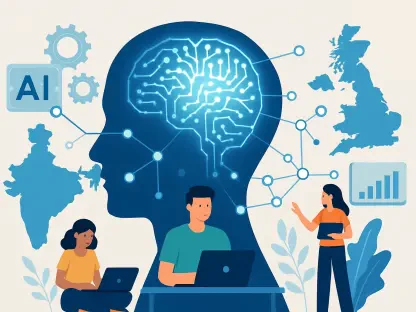

The rapid evolution of generative artificial intelligence has forced a dramatic reevaluation of how legal systems define and protect the intellectual property of human artists. In a significant policy pivot, the current administration has officially abandoned a controversial proposal that would have allowed technology companies to utilize copyrighted works for training purposes under an opt-out framework. This original plan placed the burden of monitoring and objection squarely on the shoulders of creators, effectively treating their life’s work as a free resource for multi-billion dollar corporations until told otherwise. By moving away from this model, the government has signaled a recognition that human-generated content is the foundational goldmine of the digital era. The debate has now shifted toward how to construct a legislative environment that fosters innovation without cannibalizing the creative industries that provide the very data these models require to function properly. This reversal marks a victory for sectors ranging from news publishing to independent music production.
Moving Beyond the Flawed Opt-Out Model
Industry leaders from major organizations such as the Publishers Association and UK Music successfully argued that the previous opt-out mechanism was fundamentally exploitative. By requiring artists to manually flag every piece of content they wished to protect, the government had inadvertently created an administrative nightmare for individuals who lack the resources of major tech firms. This imbalance of power threatened to devalue creative output by making it the default fuel for machine learning algorithms without prior consent or financial remuneration. The consensus among media sectors was that such a system prioritized the speed of technical development over the basic rights of those whose work is being ingested. Consequently, the decision to scrap this policy reflects a deeper understanding that high-quality data is not a public utility, but a proprietary asset. The current focus has transitioned into identifying how licensing models can be integrated into the AI development pipeline to ensure that the creators are fairly compensated for their contributions.
Instead of rushing into a definitive framework, officials are now adopting a more measured, evidence-based approach to resolve the friction between copyright law and automation. Technology Secretary Liz Kendall has clarified that the government currently maintains no preferred option for copyright exemptions, allowing for a period of rigorous consultation with all stakeholders. This deliberate pause suggests a move away from the “move fast and break things” philosophy that has historically dominated the technology sector’s regulatory landscape. By taking the necessary time to refine strategies, policymakers aim to prevent the implementation of loopholes that commercial research entities or scientific bodies might exploit to bypass existing protections. The emphasis is now on creating a transparent environment where developers and rightsholders can negotiate terms that reflect the actual market value of the data used. This strategy seeks to stabilize the creative market while providing AI developers with a clear, legal path forward that avoids the litigation currently clogging courts.
Strengthening Digital Transparency and Consumer Safety
Beyond the immediate concerns of copyright, the government is expanding its regulatory scope to address the broader societal risks posed by synthetic media. A significant finding in recent reports points toward the necessity of mandatory labeling for AI-generated content to mitigate the spread of disinformation. As generative tools become increasingly sophisticated, distinguishing between human-made news and algorithmically generated deepfakes has become a critical challenge for public safety. To combat this, a dedicated task force has been established to develop rigorous labeling standards that would require platforms to disclose when content is not of human origin. This move toward transparency is designed to protect the integrity of the information ecosystem and prevent the unauthorized manipulation of public discourse. Furthermore, by formalizing these requirements, the government is placing the burden of proof on the distributors of content rather than the consumers. Such measures are intended to restore trust in digital media as synthetic assets become more prevalent.
The protection of individual identity has emerged as another priority through the launch of consultations regarding the unauthorized use of digital replicas. This initiative specifically targets the growing issue of AI-generated likenesses being used without consent for commercial or deceptive purposes. Whether it is an actor’s voice or a public figure’s physical appearance, the ability of AI to mirror human traits with uncanny accuracy presents a unique legal threat to personal autonomy. Current efforts are focused on defining clear boundaries that would prevent the commercial exploitation of an individual’s digital persona without a direct licensing agreement. By addressing these concerns, the government is acknowledging that the goldmine of human data extends beyond written text or recorded music into the very essence of personhood. The establishment of specific legal protections for digital likenesses would set a global precedent for how nations manage the intersection of identity and innovation. This focus on individual rights serves as a necessary counterweight to the massive data-harvesting practices of the previous decade.
Forging a Resilient Relationship Between Tech and Art
The transition toward a balanced regulatory framework is not merely about restriction; it is about establishing a sustainable economic model for the future. Industry advocates continue to urge for the rejection of any future exceptions that might allow commercial research entities to bypass copyright protections under the guise of scientific progress. There is a growing realization that for the AI industry to thrive long-term, it must coexist within a healthy creative ecosystem rather than at its expense. If the creators of high-quality content are driven out of business by unpaid data ingestion, the quality of the training sets for future AI models will inevitably decline, leading to a model collapse where AI simply rehashes its own output. Ensuring that the creative economy remains vibrant is therefore in the best interest of the technology sector itself. The current discourse emphasizes that a transparent relationship built on mutual benefit will drive more robust economic growth than the chaotic, unregulated environment that preceded these recent policy shifts.
To ensure a fair digital landscape, the administration focused on establishing a collaborative task force that bridged the gap between silicon valley and independent publishers. This group prioritized the implementation of verifiable watermarking technologies that allowed creators to track the usage of their intellectual property across various neural networks. By moving toward a standardized licensing protocol, the government provided a roadmap for tech companies to acquire high-quality training data legally and ethically. These actions successfully shifted the narrative from one of inevitable displacement to a framework of partnership and mutual accountability. Legislators ultimately recognized that the long-term success of national innovation depended on the continued vitality of the human workforce. Future policy adjustments remained centered on the principle that technological advancement should amplify, rather than replace, the intrinsic value of human creativity. These steps offered a concrete foundation for protecting the livelihoods of artists while supporting the next generation of computational progress.