

XREAL’s latest hardware leverages AI-driven HDR to reach brightness levels of 1200 nits, overcoming the traditional optical limitations of lightweight augmented reality glasses. This technological breakthrough is indicative of a broader industry-wide transition where artificial intelligence is no

Large-scale widgets are now available to provide comprehensive data snapshots for weather, calendars, and reminders directly on the primary home screen. This evolution in the interface reflects a broader trend where software sophistication increasingly dictates the perceived value of mobile

Travelers and international business professionals can utilize a translation mode that displays real-time linguistic transitions on the wrist when paired with the companion app. This specific functionality underscores a broader shift in the wearable market as Mobvoi moves away from general-purpose
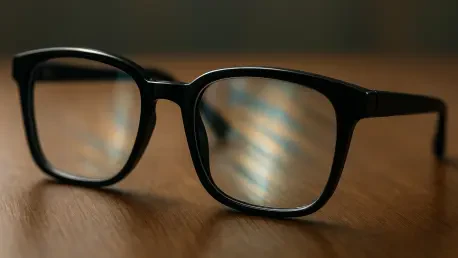
The integration of the Muse AI agent into smart glasses is intended to provide users with a conversational partner that can manage tasks across various virtual windows. This bold engineering move signals a transition from the era of mobile-centric computing to a period defined by spatial
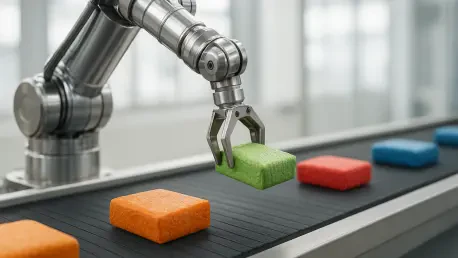
Current market strategies are pivoting away from pure hardware refinement to prioritize the development of robotic AI systems that can interpret human intent. This shift marks the transition from pre-programmed automation to genuine embodied intelligence, where machines possess the cognitive

Student leaders are calling for a formal association-wide commitment to divest from AI products until more robust ethical and environmental safeguards are in place. The halls of the University of California, Berkeley, have long been a crucible for social movements, and today, that energy is focused
1 2 3 4 5 6 7 8 9 10 11 12 13 14 15 16 17 18 19 20 21 22 23 24 25 26 27 28 29 30 31 32