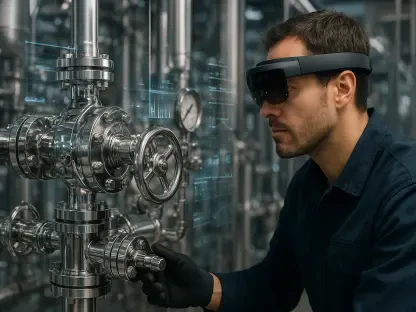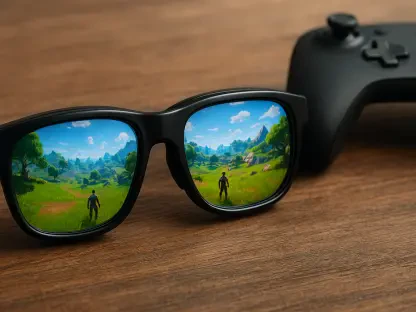
The integration of the Muse AI agent into smart glasses is intended to provide users with a conversational partner that can manage tasks across various virtual windows. This bold engineering move signals a transition from the era of mobile-centric computing to a period defined by spatial
Thin-film waveguide technology encounters a hard physical limit where the discrete nature of light modes prevents the delivery of retina-grade resolution to the user. This discovery, spearheaded by optical researchers at Meta’s Reality Labs, fundamentally shifts the narrative surrounding augmented
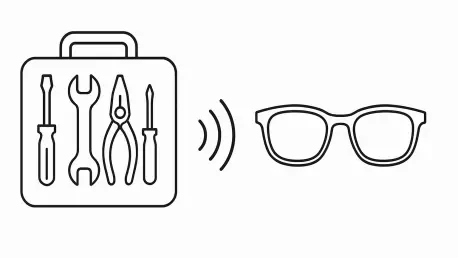
Safety compliance measurements in the FCC paperwork indicate that the device is intended to be worn on a belt clip or kept in a holster during use. This specific detail highlights a strategic shift toward wearable compute modules that alleviate the physical burden on the user's face during
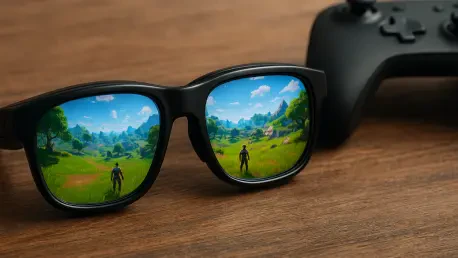
The realization of high-fidelity virtual reality on portable hardware has long been hindered by the technical friction between proprietary ecosystems and open-source operating systems. However, the emergence of the community-driven xreal-linux project marked a turning point for enthusiasts seeking
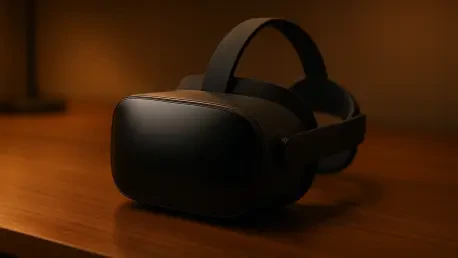
The new SLAM 2.0 inside-out tracking system employs infrared illuminators to maintain precise movement and stability in environments with minimal lighting. This technological leap serves as the foundation for a hardware ecosystem designed to dismantle the long-standing barriers between tethered

Artistic software experiences like Body Proxy are pushing the boundaries of smart glasses utility by using integrated cameras to turn wearers into active participants in AI-driven storytelling. As the industry moves through the final months of 2026, the transition from heavy, tethered virtual