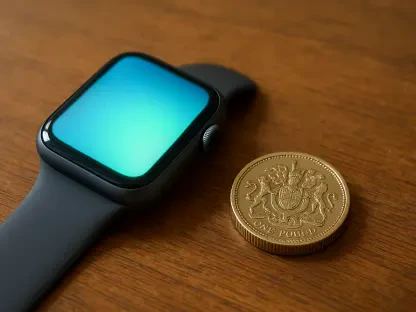

Market availability for the co-developed suite will initially focus on the United States, Canada, and the United Kingdom before expanding to other regions in early 2024. This strategic alignment between two of the most influential players in consumer electronics marks a significant departure from

Tactile feedback allows the EmArm to detect collisions and adjust its movement patterns without the need for constant cameras or visual data. For decades, roboticists struggled to overcome the limitation of machines being blind to their own physical presence, relying almost exclusively on external

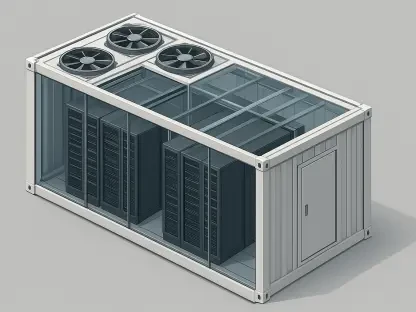
The current landscape of enterprise computing reveals a stark contradiction where facility managers are maximizing their cooling investments yet continue to witness servers throttling due to localized heat buildup. While massive industrial chillers hum at full capacity, the actual temperature at

The transition to 5G at Mormugao Port promises ultra-low latency and superior control over sensitive data that public networks typically struggle to provide. As India's maritime industry moves into this era of connectivity, the Mormugao Port Authority has set a precedent by securing the first

While the Vertical 2 remains the heavy-duty option at 87 grams, the Race 3S offers a streamlined alternative for athletes who need elite metrics without the extra weight. This strategic pivot highlights a broader shift within the Suunto ecosystem, which has successfully transitioned from being a
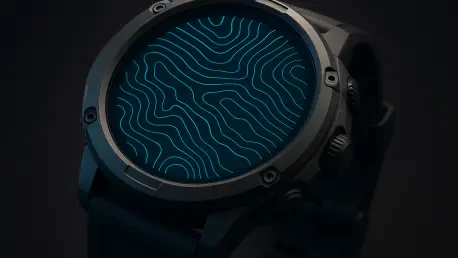
The Suunto Plus store provides a growing library of specialized applications, though it remains more limited than the ecosystems offered by major consumer electronics competitors. However, for the dedicated trail runner navigating the technical singletracks of the Pacific Northwest or the technical
1 2 3 4 5 6 7 8 9 10 11 12 13 14 15 16 17 18 19 20 21 22 23 24 25 26 27 28 29 30 31