
The traditional landscape of the automotive industry is currently undergoing a radical metamorphosis as electric vehicle manufacturers increasingly pivot toward the sophisticated realm of embodied artificial intelligence. Li Auto, once primarily recognized for its popular extended-range “mobile homes,” has initiated a profound strategic shift through a highly confidential initiative known internally as Project Nexus. This transition is not merely a diversification of product lines but a fundamental reimagining of the company’s identity in a market defined by cooling vehicle sales and aggressive price wars. CEO Li Xiang has identified the current window in 2026 as the final opportunity for the organization to establish itself as a dominant force in the AI sector before the competitive landscape solidifies permanently. By moving beyond the physical constraints of passenger cars, the company aims to integrate advanced machine learning and robotics into a unified ecosystem that can navigate the complexities of the physical world. This high-stakes gamble represents a desperate yet calculated attempt to secure long-term relevance by evolving into a multifaceted technology powerhouse capable of competing with global titans in the emerging field of general-purpose robotics.
Strategic Pivot Toward Embodied Artificial Intelligence
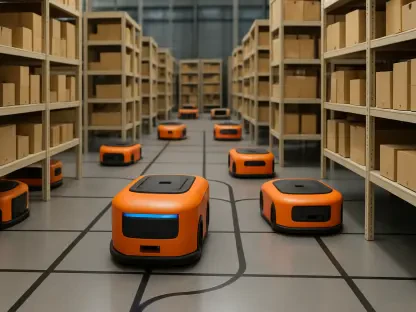
The architectural core of Project Nexus focuses on the development of two distinct robotic forms designed to tackle different levels of environmental complexity. The first product slated for release in mid-2026 is a specialized two-wheeled robot engineered specifically for the rigorous demands of industrial and manufacturing environments. By prioritizing a wheeled design over the more anatomically complex bipedal alternative, the research team is emphasizing immediate operational stability and the capacity for extended working hours without the balance issues inherent in human-like movement. This pragmatic approach allows the firm to refine its control algorithms and sensory processing systems within the predictable and structured confines of their own factories. Much like the early iterations seen in other high-tech sectors, these robots serve as a live testing ground for the software that will eventually govern more versatile machines. The goal is to create a seamless feedback loop where data collected from factory floors directly informs the development of the next generation of autonomous systems, ensuring that the technology is robust enough for high-intensity labor.
Building on the foundation of the wheeled platform, the second phase of the initiative involves the creation of a sophisticated bipedal humanoid robot intended for more varied applications. This transition into humanoid robotics represents the pinnacle of “embodied AI,” where the machine must interpret and interact with human-centric environments using a level of spatial awareness previously reserved for advanced autonomous driving systems. To support this ambitious roadmap, the organization has undergone a significant internal restructuring to consolidate its hardware and software expertise. The research and development for Nexus hardware is now spearheaded by He Junpei, a seasoned veteran from the robotics startup Jiuguang Intelligent, while the overall business operations are overseen by Zhan Yifei. This leadership overhaul reflects a deliberate move to treat robotics as a primary pillar of the company’s future rather than a secondary research project. By aligning their top-tier engineering talent with the robotics division, the company is signaling to investors and competitors alike that its future growth is inextricably linked to the successful deployment of intelligent autonomous agents.
Competitive Dynamics Within the Chinese Robotics Sector
The race to dominate the robotics market in China has reached a fever pitch, with several major automotive players and tech firms vying for the first-mover advantage. Competitors like Xpeng have already made significant strides, moving toward the construction of dedicated humanoid robot production facilities with the goal of achieving mass delivery within the 2026 to 2027 period. Similarly, Nio has ramped up its investments in artificial intelligence to enhance its internal logistics and assembly line efficiency, creating a highly competitive atmosphere where technological stagnation is equivalent to obsolescence. Li Auto finds itself in a position where it must balance the immense capital expenditure required for AI development against the immediate need to revitalize its core vehicle sales business. The tension within the company is palpable, as employees manage the demands of the current automotive slump while simultaneously preparing for a future where their primary output may no longer be cars. This dual-track strategy requires a delicate management of resources to ensure that the pursuit of future innovation does not come at the expense of current financial stability.
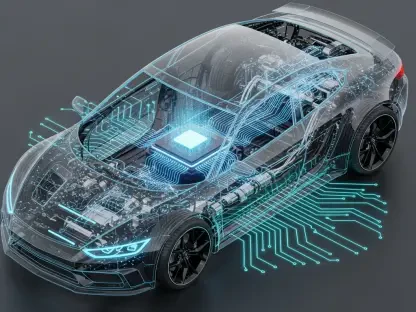
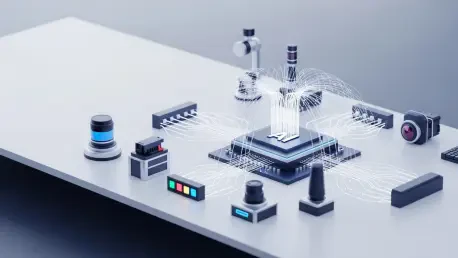
Despite these internal and external pressures, the convergence of the automotive and robotics sectors offers unique advantages that Li Auto is uniquely positioned to exploit. The sensory hardware, compute platforms, and neural network architectures developed for high-level autonomous driving are remarkably similar to those required for mobile robotics. This technological overlap allows for a significant reduction in development costs and time-to-market, as the company can leverage its existing supply chains for lidar, cameras, and high-performance chips. Moreover, the vast amounts of real-world data gathered from their vehicle fleet provide a rich training set for the vision models that will guide their robots. However, the move into the broader robotics market also introduces new challenges, such as fine motor control and complex manipulation tasks that cars simply do not perform. Success in this arena will depend on the company’s ability to successfully translate its expertise in “AI on wheels” into “AI with hands,” a leap that requires not just better hardware, but a fundamental breakthrough in how machines learn to interact with objects and people in unstructured settings.
Future Path for Autonomous System Integration
The successful integration of Project Nexus into the broader corporate ecosystem will likely depend on the company’s ability to move from internal prototypes to commercially viable products. Moving forward, the primary focus should be on establishing a robust “robotics-as-a-service” model that can be piloted within third-party logistics and manufacturing hubs by late 2026. This would allow the firm to generate diversified revenue streams that are less sensitive to the cyclical nature of the consumer automotive market. Furthermore, the development of a unified AI backbone that powers both the vehicle fleet and the robotic units will be essential for maintaining a competitive edge in software efficiency. Stakeholders must prioritize the creation of standardized API frameworks that allow these robots to interface with existing industrial management software, making them an easy “drop-in” solution for factories looking to automate. By focusing on interoperability and ease of deployment, the organization can bypass the long adoption curves that often plague new hardware categories.
Looking beyond the immediate manufacturing applications, the ultimate goal remains the deployment of humanoid assistants capable of performing service-oriented tasks in commercial and residential spaces. To achieve this, the company worked extensively throughout the current year to refine the safety protocols and ethical guidelines governing human-robot interaction. These efforts were critical in building the public trust necessary for the widespread adoption of bipedal machines in daily life. Future development cycles should emphasize the reduction of energy consumption and the improvement of battery density to allow for full-shift operation without frequent recharging. If the organization can successfully navigate these technical hurdles while stabilizing its core automotive business, Project Nexus will have served as the bridge that transformed a struggling car maker into a diversified AI leader. The transition into an embodied AI firm is no longer a choice but a necessity for survival in a world where the line between transportation and automation has virtually disappeared.