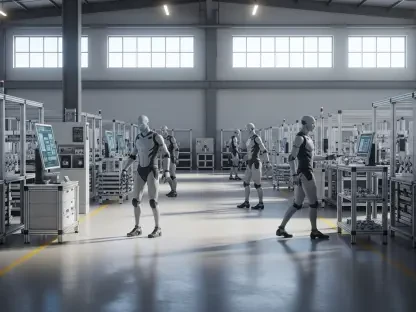

In a world increasingly shaped by artificial intelligence, the release of ChatGPT 5 in August of this year stands as a monumental milestone that promises to redefine human interaction with technology. This latest innovation from OpenAI isn't merely an incremental update but a bold leap forward,
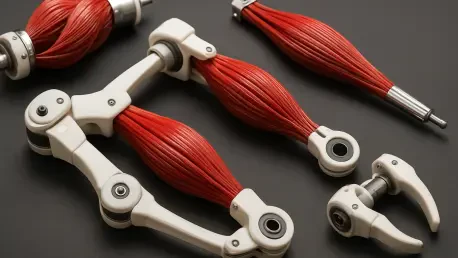
Imagine a robot so flexible it can slither through the tightest of spaces, mimicking the delicate precision of human fingers while performing tasks as intricate as cleaning narrow pipelines or assisting in life-saving surgeries. This is no longer a vision of science fiction but a reality driven by
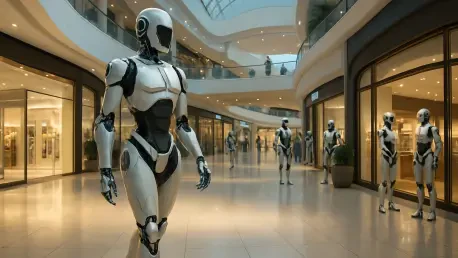
What if a shopping trip meant not just picking up groceries or gadgets, but also selecting a robot to assist with daily tasks or entertain at home? In Beijing's high-tech hub of E-Town, this scenario is no longer a distant dream but a tangible reality. The world's first humanoid intelligent robot
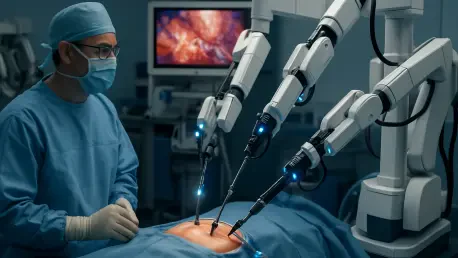
Imagine a future where the vast majority of surgeries in the UK are performed with the precision of robotic systems, dramatically cutting down recovery times and improving patient outcomes across the board. The National Health Service (NHS) has embarked on an ambitious journey to transform the
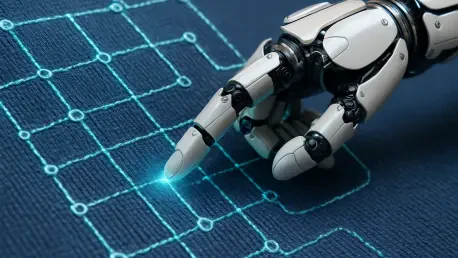
Welcome to an exciting conversation with Oscar Vail, a renowned technology expert whose pioneering work in robotics and emerging fields like quantum computing has positioned him at the cutting edge of innovation. Today, we’re diving into his team’s groundbreaking development of electronic textile
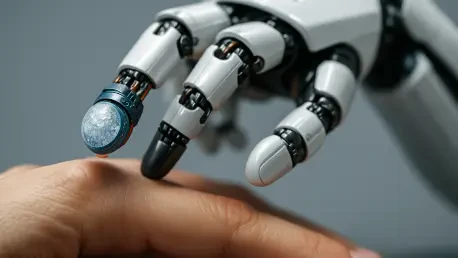
Picture a future where robots can handle objects with the same delicate precision as a human hand, sensing pressure and adjusting grip in an instant to avoid a slip or a crush. This once-distant dream is now on the horizon thanks to a remarkable breakthrough from researchers at the University at