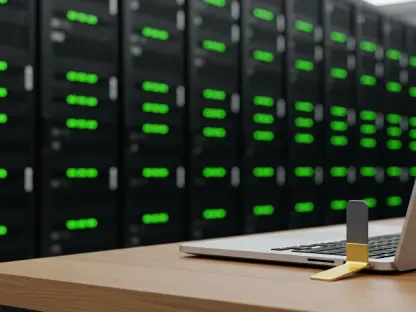

While the world focuses on the meteoric rise of generative models and the scarcity of high-end GPUs, a silent crisis is mounting within the physical walls of the global data center fleet. The sheer intensity of modern computational demands has outpaced the logistical capacity of the energy storage industry, creating a profound shortage of the specialized backup batteries essential for operational continuity. This scarcity represents a fundamental challenge to the digital frontier, as even the most advanced neural networks are useless without a steady, uninterrupted stream of high-voltage power.
As developers push for larger training clusters, the margin for error regarding power stability has vanished entirely. Modern infrastructure requires more than just raw electricity; it demands sophisticated storage systems capable of mitigating micro-fluctuations that could ruin months of expensive calculations. Consequently, the energy storage unit has transitioned from a mundane utility component to a high-stakes strategic asset. This analysis delves into how the rapid scaling of artificial intelligence is colliding with the physical realities of battery manufacturing and global supply chains.
Evolution of Data Center Power Needs and Infrastructure
Historically, the data center sector enjoyed a predictable relationship with the power grid, relying on standard Uninterruptible Power Supply (UPS) systems to handle rare outages. Conventional cloud services and database hosting maintained relatively stable energy profiles, allowing battery manufacturers to plan production years in advance with high accuracy. However, the move toward massive Large Language Models has fundamentally altered this landscape, introducing “bursty” energy consumption patterns that put unprecedented stress on legacy hardware.
The shift toward AI-centric architectures has forced a total rethink of how facilities manage peak loads and emergency transitions. Unlike traditional workloads that might recover gracefully from a momentary flicker, AI training processes are exceptionally sensitive to power quality. This necessitates a move toward rapid-discharge lithium-ion solutions and high-density rack-level storage. The resulting surge in demand has caught the manufacturing sector off guard, transforming what was once a steady procurement process into a frantic scramble for dwindling inventory.
The Critical Strain on Global Energy Storage Supplies
Panasonic’s Production Capacity and the 2029 Logjam
The depth of this supply crunch is underscored by recent market data from Panasonic, a primary provider of high-performance cells. Reports indicate that roughly 80% of the company’s projected manufacturing capacity through the 2029 financial year is already committed to existing long-term contracts. This “lock-in” effect creates an immense barrier for newer market entrants and mid-sized firms trying to secure their own hardware. When the vast majority of future supply is claimed half a decade in advance, the industry faces an inventory drought that favors established tech giants over emerging innovators.
Shifting Manufacturing Strategies: From Road to Rack
To mitigate the deficit, major industrial players are making the drastic decision to pivot away from other lucrative sectors. We are currently witnessing a massive realignment where production lines originally intended for the electric vehicle market are being retooled to produce data center batteries. Panasonic is tripling its lithium-ion cell production in Japan and reconsidering the output of its expansive Kansas facility to prioritize server rack applications. This reallocation of resources suggests that the financial incentives of the AI boom now outweigh the immediate growth of green transportation.
Technological Innovations and the Rise of Supercapacitors
In response to the physical limitations of lithium-ion chemistry, the industry is accelerating the development of alternative storage technologies. Supercapacitors are gaining traction as a vital tool for managing the high-frequency power spikes typical of GPU-intensive tasks. These systems, which are expected to see widespread deployment starting around 2027, offer superior longevity and faster discharge rates than traditional batteries. By integrating these advanced components, data center operators hope to reduce their total reliance on chemical storage and create a more resilient power architecture.
Future Outlook: Economic Shifts and Regulatory Considerations
The financial trajectory of this crisis points toward a significant redistribution of capital within the technology sector. Forecasts suggest that data-center-related battery sales could reach a staggering $5 billion by 2029, reflecting a market where power management is as lucrative as chip design. This economic reality will likely invite increased oversight from regulators concerned about “energy hoarding” by dominant firms. We may see new frameworks designed to ensure equitable access to critical infrastructure components, preventing a few players from monopolizing the energy storage supply.
Navigating the Energy Shortage: Strategies for Resilience
For organizations looking to survive this bottleneck, the era of just-in-time procurement has effectively ended. Success now depends on securing multi-year energy partnerships and exploring diverse battery chemistries to avoid reliance on a single supply chain. Implementing localized microgrids and behind-the-meter storage solutions can provide a necessary buffer against grid instability and equipment shortages. Moreover, software-side innovations—such as checkpointing protocols that allow AI training to pause and resume without data loss—will be crucial for reducing the sheer volume of backup hardware required.
Securing the Physical Foundation of the Digital Future
The narrative of the digital age often overlooks the heavy machinery and raw materials that make innovation possible. This crisis highlighted the fact that the most sophisticated software in the world remains tethered to the physical constraints of battery cells and power grids. Industry leaders recognized that scaling compute capacity required a parallel investment in energy resilience. By diversifying manufacturing techniques and embracing next-generation storage like supercapacitors, the sector began to build a more robust foundation. Ultimately, the industry moved toward a model where power management was integrated into the earliest stages of architectural design.