
After four months of intensive daily use, Apple’s latest flagship reveals a compelling narrative of ambitious design choices that, while commercially successful, introduce practical compromises for the modern smartphone user. The Apple iPhone 17 Pro Max represents a significant advancement in the smartphone industry. This review will explore the evolution of the device, its key features, performance metrics, and the impact it has had on the user experience. The purpose of this review is to provide a thorough understanding of the phone, its current capabilities, and its position in the competitive market.
Introduction to the Next-Generation iPhone
The iPhone 17 Pro Max arrived as Apple’s definitive statement for the year, a device designed to lead the premium market not just in performance but in aesthetic evolution. Its design philosophy breaks from the titanium and stainless steel constructions of its predecessors, embracing a new direction intended to feel both fresh and familiar. This shift arrives at a critical juncture for the industry, where advancements in on-device artificial intelligence and long-term durability are becoming the primary battlegrounds for consumer loyalty.
This new flagship brings substantial hardware upgrades across the board, from its camera system to its charging technology, all orchestrated by Apple’s latest software. Yet, its relevance is measured not only by its own specifications but by how it positions Apple within a competitive landscape increasingly dominated by powerful AI ecosystems. The iPhone 17 Pro Max is tasked with both satisfying its dedicated user base and signaling the company’s readiness for the next era of mobile computing.
In-Depth Analysis of Core Features
Design Materials and Real-World Durability
The most debated change in the iPhone 17 Pro Max is its return to an aluminum body, framing a striking two-tone camera plateau that has become its visual signature. Aesthetically, the design is a triumph, offering a softer and more sculpted feel in the hand compared to the harder edges of previous generations. However, this ergonomic success comes with a significant practical trade-off that has become apparent after several months of real-world use.
The softer nature of aluminum has proven susceptible to cosmetic damage, a stark contrast to the resilience of recent titanium and steel models. Users who prefer to use their devices without a case have reported a noticeable accumulation of small dents and scratches, particularly on the prominent edges of the camera plateau. The blue and orange color variants seem to show this wear more readily, forcing a difficult choice between enjoying the phone’s intended design and preserving its pristine condition with a protective case.
The 6.9-Inch ProMotion Display
The device’s 6.9-inch ProMotion display is a brilliant canvas, pushing visual immersion further with exceptionally minimal bezels that practically dissolve the boundary between the screen and the physical world. The vibrant colors and fluid 120Hz refresh rate create an outstanding viewing experience for everything from media consumption to daily navigation, solidifying its place among the best displays on the market.
More importantly, Apple introduced a new anti-reflective coating that makes a tangible difference in everyday usability. This enhancement significantly cuts down on glare, improving screen legibility in bright, direct sunlight. For anyone who has struggled to read messages or frame a photo outdoors, this coating proves to be one of the most practical and appreciated upgrades, turning frustrating situations into seamless interactions.
A Powerful and Refined Camera System
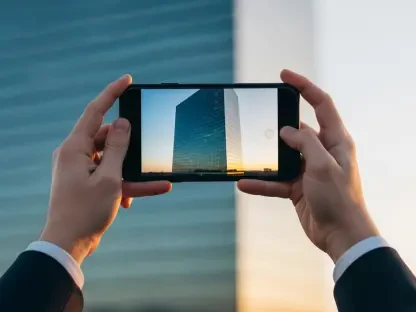
The triple-camera array, housed within the distinctive plateau, represents a major leap forward for mobile photography. The standout feature is the new 4X telephoto lens, which is built around a significantly larger sensor. This hardware improvement delivers sharper, more detailed zoomed-in shots and demonstrates a marked improvement in low-light performance, capturing more light and reducing noise for clearer images after dark.
Complementing the hardware is a redesigned camera user interface that prioritizes a cleaner, more intuitive experience. Apple has streamlined the layout by tucking camera modes away by default and consolidating various controls into a single six-dot icon. This refined approach declutters the screen, making it easier for users to focus on composing their shot rather than navigating a complex menu, which ultimately speeds up the photographic process.
Upgraded Battery Life and Charging Speeds
Battery longevity has always been a cornerstone of the Pro Max series, and the iPhone 17 Pro Max continues this tradition with an upgraded battery that comfortably delivers all-day power for even the most demanding users. This sustained performance provides peace of mind, ensuring the device remains a reliable companion from morning to night without causing battery anxiety.
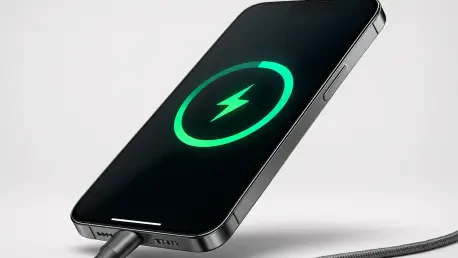
The more significant quality-of-life improvement, however, is the long-awaited introduction of 40W wired charging. This boost in speed drastically reduces downtime, allowing the device to reach a full charge in approximately 1 hour and 10 minutes. The ability to get a substantial power top-up in a short period is a practical game-changer, adding a new layer of convenience that users have been requesting for years.
The Evolving Software and AI Experience
Apple’s software ecosystem remains one of its greatest strengths, and services like Apple TV, Apple Music, and Apple Arcade have matured into robust and compelling platforms. The seamless integration between these services and the hardware creates a cohesive and user-friendly experience that is difficult for competitors to replicate. This synergy adds considerable value to the device, making it more than just a standalone product.
In contrast, the native on-device artificial intelligence capabilities represent a noticeable area of weakness. Features like the AI-powered “Clean Up” photo editing tool, for example, often fall short of the results produced by rival solutions from Samsung and Google, lacking the same level of precision and reliability. While Apple is expected to roll out major AI-driven changes later this year, its current offerings leave it playing catch-up in an increasingly important arena.
Everyday Usability and Long-Term Performance
After four months, the iPhone 17 Pro Max proves to be an exceptionally capable daily driver. The inclusion of more physical controls, such as the customizable Action Button and the dedicated Camera Control button, enhances its practicality. These buttons provide quick, tactile access to frequently used functions, streamlining user interaction and making the large device easier to manage.
The decision on storage and protection remains a central part of the long-term experience. While the base storage has been increased to a more reasonable 256GB, power users will likely find 512GB a more comfortable fit, though this upgrade comes at a steep premium. Furthermore, the durability concerns of the aluminum frame create a persistent dilemma, pitting the desire to enjoy the phone’s premium design against the practical need to shield it from everyday wear and tear.
Key Challenges and User Compromises
The primary challenge facing the iPhone 17 Pro Max is the durability of its aluminum frame, which stands as the most significant compromise for users. The material’s tendency to show dents and scratches forces a trade-off between aesthetics and preservation, an issue that was less pronounced with previous, more robust materials. This design choice, while visually appealing, may inadvertently push more users toward protective cases, undermining the intended caseless experience.
Beyond the physical design, the device faces other hurdles. The high cost associated with storage upgrades continues to be a point of contention, making the most practical configurations prohibitively expensive for some. Coupled with the current gap in on-device AI functionality compared to its peers, these factors create a sense of compromise that slightly tempers the otherwise premium experience.
Future Outlook and Competitive Positioning
Looking ahead, the iPhone 17 Pro Max stands at a competitive crossroads. The imminent arrival of powerful rivals like the Samsung Galaxy S26 Ultra is set to intensify the pressure, particularly in areas where Apple is perceived to be lagging, such as generative AI features. How Apple responds with its upcoming software updates will be crucial in maintaining its market leadership.
The company’s historically deliberate pace of innovation is being tested in the fast-moving field of artificial intelligence. While its ecosystem provides a formidable defense, the long-term impact of its slower AI development could become a defining factor. Consumers are increasingly expecting sophisticated, integrated AI, and Apple’s ability to deliver a compelling and uniquely “Apple” experience in this domain will shape its competitive position for years to come.
Final Verdict a Triumphant but Flawed Flagship
In retrospect, the iPhone 17 Pro Max was a device defined by a bold, albeit risky, vision. It achieved massive commercial success by delivering meaningful upgrades where they mattered most to its core audience: the camera, display, battery life, and charging speeds were all significant steps forward. These enhancements created a powerful and refined user experience that reaffirmed its status as a top-tier flagship.
However, its legacy was also marked by clear and undeniable compromises. The decision to use a softer aluminum frame introduced a real-world durability concern that previous models did not have, forcing users to weigh aesthetics against longevity. This, combined with a noticeable deficit in native AI capabilities at launch, painted the picture of a triumphant but ultimately flawed device—one that excelled in many areas but required its users to accept certain trade-offs.