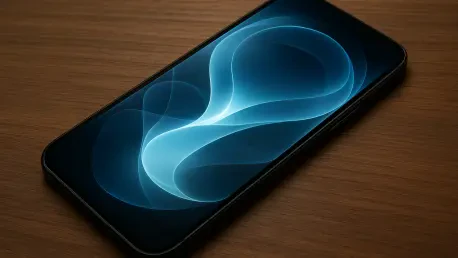

The translucency slider represents a shift toward user-governed aesthetics by allowing individuals to balance legibility with visual flair based on their environment. This feature highlights a broader philosophy within the September 2026 release of iOS 27, which serves as a pivotal moment for Apple’s mobile ecosystem. Rather than chasing experimental novelties that might complicate the daily experience, this iteration prioritizes a refined maturity across three fundamental pillars: deep artificial intelligence integration, a new design language termed Liquid Glass, and significant improvements in system performance. The software aims to transform the iPhone into a more intuitive companion that anticipates user needs through contextual awareness. By focusing on streamlining existing technologies, Apple ensures that the interface remains responsive and uncluttered. This approach reflects a consensus that modern users value reliability and aesthetic clarity over gimmicky features that lack long-term utility.
Aesthetic Refinement: Liquid Glass and User Customization
The Liquid Glass design language introduces a modern, transparent aesthetic that replaces the flat, opaque elements commonly found in earlier iterations of the operating system. This new philosophy creates a palpable sense of depth and physical presence on the screen, making digital elements feel more tactile and integrated into the hardware. By utilizing advanced rendering techniques, the interface mimics the properties of actual glass, refracting light in a way that feels organic rather than artificial. This change is not merely cosmetic; it enhances the spatial awareness of the user by providing visual cues about where they are within the system hierarchy. Windows and menus now appear to float at varying altitudes, using subtle shadows and blur effects to establish a clear order of operations. This transition toward a more three-dimensional environment represents a significant departure from the minimalism of the past decade, signaling a move toward a more sensorial and immersive digital experience.
To ensure that this new visual direction remains accessible for all users, Apple has implemented advanced personalization tools that allow for fine-tuned adjustments to the interface clarity. Users can navigate to the display settings to find specific controls that govern how the Liquid Glass effects interact with different backgrounds and lighting conditions. This level of customization is particularly beneficial for individuals who may find high levels of transparency distracting or difficult to read in bright sunlight. By offering a manual override for these aesthetic choices, the software accommodates a diverse range of visual needs without sacrificing the modern look of the update. Furthermore, these settings are dynamically linked to focus modes, meaning the interface can automatically shift from a vibrant, glass-like appearance during the day to a more muted and legible state in the evening. This ensures that the aesthetic experience remains consistent and comfortable across various environmental lighting situations.
System Performance: Advanced Intelligence and Strategic Integration
Apple Intelligence has been deeply integrated into the core of the operating system, moving beyond simple assistants to provide a truly personal contextual understanding. This evolution allows the device to analyze user habits, frequently visited locations, and common communication patterns to offer suggestions that are relevant to the immediate situation. In the Photos application, this manifests as powerful generative tools like Spatial Reframing and Clean Up, which allow users to intelligently crop or remove objects from their images with a single tap. Furthermore, the camera now features integrated visual search, providing real-time information about landmarks and objects in the physical world. For families, these AI capabilities extend to a more sophisticated approach to parental controls, allowing for granular schedules and precise web permissions. This proactive stance on digital well-being ensures that the software acts as a partner in managing the complex digital lives of users across all age groups.
The rollout of this operating system successfully synthesized design elegance with raw computational power, providing a dual-purpose update that rejuvenated the entire hardware lineup. For those utilizing older hardware like the iPhone 11, the system acted as a performance-enhancing bridge that extended functional life through significant speed optimizations. Application launch times were improved by 30 percent, while media loading speeds increased by 70 percent, ensuring legacy devices felt reactive. Looking ahead, users should prioritize evaluating their current hardware to determine which tier of the new ecosystem best fits their specific needs, as the most advanced AI features require the power of the iPhone 16 series. Organizations and creators may find that upgrading is necessary to leverage the full potential of these generative tools. This update serves as a foundation for future developments, and mastering these new settings now will ensure a seamless transition as technology matures in the coming years.