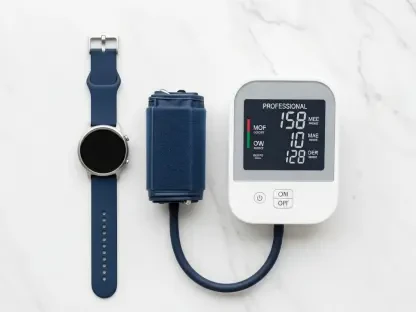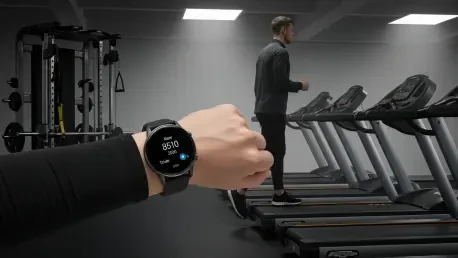

The relentless pursuit of athletic perfection has moved beyond physical grit to a realm where data-driven precision determines the thin line between a podium finish and total exhaustion. In the 2026 landscape, the narrative of wearable technology has shifted significantly from simple GPS logging to the creation of sophisticated, automated training ecosystems. These systems do more than record distance; they act as silent coaches that synthesize physiological metrics into actionable strategy.
This strategic software rollout serves as a definitive moment for Coros as it solidifies its presence against established industry leaders like Garmin. By delivering a suite of high-level features through firmware updates, the brand is proving that hardware longevity is sustained through evolving intelligence. Industry analysts suggest that this approach builds deeper user loyalty by providing continuous value without requiring a hardware upgrade.
Focusing on user-centric intelligence allows athletes to move away from the distractions of manual data entry toward a more fluid experience. This update redefines what modern athletes expect from their gear, prioritizing a seamless flow between physical effort and digital analysis. The emphasis remains on reducing friction, ensuring that the technology supports the performance rather than complicating the preparation.
Breaking Down the Advanced Training and Data Architecture
Automated Strategy: From Pace Planning to Race Prediction
The introduction of the Pace Strategy tool represents a shift toward dynamic race management. Instead of adhering to static targets, the system allows for the creation of plans that adjust based on real-time variables such as terrain or cumulative fatigue. This adaptability ensures that an athlete remains within their physiological limits while still pushing for a personal best.
Visualizing progress has become more intuitive with the Race Predictor Trends feature. By aggregating historical performance data, the interface offers a visual narrative that tracks an athlete’s improvement over weeks and months. Experts note that seeing a tangible trend line provides a significant psychological boost, transforming raw numbers into a clear roadmap of physical growth and readiness.
Comparing data-driven confidence to traditional manual planning reveals a distinct advantage for those utilizing automated systems. While manual logs offer a sense of control, they often lack the objective accuracy provided by real-time sensor analysis. Athletes can now rely on a predictive engine that understands their current capacity better than a predetermined spreadsheet.
Vertical Precision: Intelligence for Mountain and Trail Specialists
For those who operate in high-altitude environments, the Hill Alerts system provides a critical safety and performance layer. By notifying users of impending elevation changes and tracking vertical velocity, it allows trail runners to manage their energy expenditure more effectively during grueling climbs. This level of granular awareness is essential for maintaining a steady effort over variable terrain.
The updated Rock Climbing mode further enhances the experience for technical mountain sports by introducing automatic descent detection. This feature eliminates the need for manual inputs during a climb, allowing the athlete to focus entirely on the rock face. Once the activity is finished, the companion app delivers a detailed breakdown of outdoor statistics that were previously difficult to capture.
Automation in technical sports bridges the gap between raw data and meaningful insight. Unlike manual logging, which can be prone to human error or omission during high-stress moments, the new outdoor statistics provide a reliable baseline for training. This shift toward automation ensures that every vertical foot is accounted for without interrupting the focus required for technical execution.
Seamless Transitions: The Engineering Behind Hybrid Fitness and Multi-Sport
The Hybrid Fitness Mode addresses the evolving needs of the modern athlete who frequently engages in functional training alongside traditional cardio. This mode simplifies the tracking process by recognizing the diverse movements associated with cross-training. It ensures that the transition from a heavy lift to a sprint is captured as a single, cohesive training session rather than fragmented data points.
Technical analysis of the device reveals that it identifies workout shifts by monitoring changes in movement patterns and heart rate intensity. This sensor fusion allows the watch to update data fields automatically, ensuring that the most relevant metrics are always visible. This level of engineering reduces the cognitive load on the athlete, who no longer needs to toggle between different sport profiles mid-workout.
Maintaining accuracy during complex, multi-modal training sessions requires a sophisticated integration of accelerometer and biometric data. By refining how these sensors communicate, Coros has created a system that stays responsive even during rapid changes in activity. This reliability is paramount for athletes who rely on precise data to calibrate their recovery and future training loads.
Fortifying the Wrist: Privacy Standards and Quality-of-Life Refinements
Addressing the sensitive nature of biometric data, the Device Passcode feature introduces a necessary layer of security for modern wearables. This four-digit PIN activates automatically when the sensor detects the watch has been removed from the wrist. It ensures that personal health metrics and location history remain protected from unauthorized access in any environment.
Several small-scale improvements have been implemented to enhance daily usability, such as the inclusion of larger notification fonts. The addition of a Weekly Distance Widget provides a quick, consolidated view of training volume, while the Advanced Auto Lap feature allows for triggers based on specific GPS coordinates. These refinements demonstrate a commitment to practical functionality that improves the overall user experience.
Integration updates for the Dura bike computer signify a broader push toward a unified, multi-device ecosystem. Users can now control media playback directly from their wrist or view refined map displays that distinguish between various road types. This interconnectedness allows for a more streamlined flow of information across different hardware, creating a comprehensive platform for multi-sport enthusiasts.
Maximizing the Update: Best Practices for High-Performance Athletes
Optimizing these new features requires a structured approach that aligns software capabilities with specific seasonal goals. Athletes are encouraged to utilize the Pace Strategy tool during the final weeks of a training block to simulate race-day scenarios. By calibrating the software to reflect their actual fitness levels, users ensured that the predictive tools provided the most accurate guidance possible.
Managing firmware updates and app synchronization remained a priority for maintaining data integrity. Regular updates ensured that the latest algorithms were applied to historical data, refining the accuracy of the Race Predictor Trends. Establishing a routine for synchronization allowed for a consistent data flow, which was essential for those tracking long-term trends and physiological markers.
Leveraging the new visualization tools helped athletes identify performance plateaus before they led to overtraining. By analyzing the visual data provided by the updated app, users were able to adjust their recovery protocols in response to subtle shifts in their physical metrics. This proactive stance on health management allowed for more consistent training cycles and improved overall durability.
The Future of Software-Driven Athletic Excellence
This comprehensive update transitioned the brand from a traditional hardware provider to an intelligent training partner. The integration of automated strategy and enhanced security protocols reflected a broader shift toward a more nuanced athletic experience. By focusing on the specific needs of different sports, the system provided a level of insight that was previously reserved for professional-grade laboratory testing.
The long-term implications of this move toward automation suggested that software would continue to be the primary driver of innovation in the wearable sector. As security standards become more rigorous, the protection of biometric data became as important as the data collection itself. This evolution ensured that athletes could pursue their goals with the confidence that their information was both accurate and secure.
Ultimately, the focus on sport-specific insights dictated the next generation of performance tracking. The success of this rollout demonstrated that the value of a device was no longer measured solely by its sensors, but by its ability to interpret data in a meaningful way. This shift set a new standard for how technology should support the athlete, favoring intelligence and adaptability over simple observation.