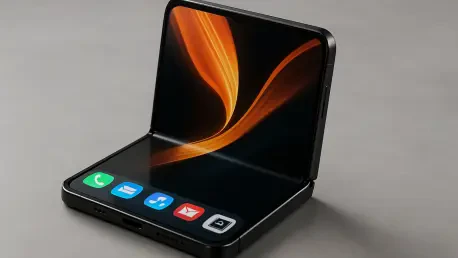

The arrival of a folding device from Apple marks a definitive shift in the mobile landscape, transforming the smartphone from a static slab into a dynamic tool of high-end utility. While competitors have populated the market for several years, this release signals that the technology has finally met the rigorous standards for durability and seamless user experience that define the ecosystem. This review explores how the integration of flexible hardware and refined software creates a product that is not just a novelty, but a functional powerhouse for the modern era.
The Genesis of Apple’s Entry into Flexible Displays
The journey toward a flexible iPhone has been defined by a patient, iterative philosophy rather than a rush to be first. By observing the early struggles of the industry—namely screen fragility and software fragmentation—Apple has focused on a holistic integration of hardware and the iOS environment. This approach ensures that the transition between folded and unfolded states feels natural, treating the screen not as two separate panels, but as a single, fluid canvas that responds to the user’s touch with instantaneous precision.
Beyond the aesthetics, the relevance of this technology lies in its ability to solve the growing tension between portability and the demand for larger workspaces. As mobile workflows become more complex, the capacity to carry a tablet-sized interface in a pocket-sized form factor is no longer a luxury but a necessity for power users. This entry into the foldable market validates the category, suggesting that the era of the rigid smartphone is beginning to wane in favor of more versatile, adaptive designs.
Architectural Breakthroughs in Foldable Hardware
Creaseless Display Technology and Structural Integrity
One of the most impressive technical feats in this new hardware is the nearly invisible hinge mechanism, which manages to eliminate the unsightly crease that has long plagued the industry. This is achieved through a proprietary multi-link hinge system that allows the display to sit in a water-drop shape when closed, reducing internal stress on the panel. The result is a surface that remains perfectly flat when opened, providing an uninterrupted visual experience that is essential for both media consumption and precise creative work.
Furthermore, the structural integrity of the device is reinforced by a new ultra-thin glass composite that offers significantly higher scratch resistance than previous iterations. This material science breakthrough addresses the primary concern of long-term durability, ensuring the screen can withstand hundreds of thousands of folds without losing its tactile quality. The combination of a rigid outer frame and a resilient inner display creates a sense of confidence that was previously missing from the foldable category.
Next-Generation Chipsets and Internal Efficiency
Powering this expansive display is a chipset designed specifically to handle the unique thermal and processing demands of a dual-state device. This silicon is optimized for high-speed multitasking, allowing users to run three or more demanding applications simultaneously without a drop in frame rate or an increase in heat. The internal efficiency is further enhanced by a split-battery architecture that balances the weight of the device while maximizing energy density, providing a full day of heavy usage despite the increased screen real estate.
Real-world performance shines during complex tasks like high-resolution video editing or large-dataset management. The processor dynamically allocates power based on whether the device is in a compact or expanded mode, ensuring that battery life is preserved when only the smaller cover screen is active. This intelligent power management is a crucial differentiator, as it allows the device to maintain peak performance without the bulk typically associated with high-capacity mobile workstations.
Strategic Shifts in Release Cycles and Production
The introduction of the foldable model has prompted a significant reorganization of the traditional product rollout. By prioritizing the foldable and Pro models for a late-summer production start, the focus is placed squarely on the premium segment of the market. This strategic decoupling prevents the flagship innovations from being overshadowed by the volume-driven base models, which are now scheduled for a separate release cycle. This shift reflects a broader trend of treating ultra-premium hardware as a distinct category with its own unique production demands and consumer expectations.
Moreover, the manufacturing process has matured to support the high yields required for a global launch. The vertical integration of the supply chain allows for tighter quality control over the specialized components, such as the flexible OLED panels and the intricate hinge assemblies. This shift in production strategy suggests that the foldable form factor is moving away from being an experimental side project toward becoming a central pillar of the long-term hardware portfolio.
High-End Market Positioning and Consumer Use Cases
This device is positioned at the absolute apex of the market, targeting professionals who require maximum productivity without the tether of a laptop. In sectors like real estate, finance, and digital art, the ability to unfold a large, high-fidelity screen for client presentations or detailed design work is a transformative capability. The unique “half-folded” mode also introduces new utility, serving as a stable stand for hands-free video conferencing or as a mini-laptop interface for rapid text entry.
Unique use cases are emerging in the creative industries, where the expanded display serves as a professional-grade monitor for remote camera control and live color grading. By bridging the gap between a standard phone and a dedicated tablet, the device eliminates the need for multiple pieces of hardware during fieldwork. This consolidation of tools into a single, pocketable device represents a shift in how professionals view mobile computing—no longer as a compromise, but as a primary platform for high-level output.
Technical Barriers and Market Adoption Challenges
Despite these advancements, the technology still faces hurdles, particularly regarding the high cost of entry. The specialized materials and complex assembly processes result in a price point that remains prohibitive for the average consumer. Additionally, while the screen is more durable than ever, it still lacks the absolute hardness of traditional glass, requiring users to exercise a level of care that is not necessary with standard smartphones. These trade-offs are the primary friction points that could slow widespread adoption.
Market obstacles also include the ongoing optimization of third-party applications. While core software is perfectly tuned for the foldable experience, many developers still need to update their apps to support the dynamic resizing and multi-window features of the new display. Addressing these software gaps is essential for ensuring that the hardware’s potential is fully realized across the entire ecosystem. Ongoing collaborations with developers are aimed at mitigating these limitations, though a truly universal foldable app standard is still evolving.
The Future of the Foldable Ecosystem
The trajectory of this technology points toward a future where “foldable” is no longer a separate category but the standard for premium mobile design. We can expect future iterations to focus on even thinner profiles and the integration of advanced sensors directly into the flexible substrate. As production scales and costs decrease, the innovations seen in this flagship will likely trickle down to more affordable models, eventually making flexible displays a common feature of the broader consumer electronics market.
The long-term impact on society will be a deeper blur between mobile and desktop computing environments. As foldable devices become more capable, the traditional boundaries of where and how we work will continue to dissolve. This evolution could lead to a new generation of “screen-first” devices that are entirely defined by their ability to change shape and function based on the user’s immediate needs, potentially rendering the static tablet or small-screen laptop obsolete for the general public.
Comprehensive Summary of the Foldable Innovation
The introduction of the foldable iPhone successfully transitioned the concept of flexible displays from a speculative experiment into a refined professional tool. By prioritizing structural integrity and seamless software integration, the device addressed the fundamental flaws of earlier industry attempts. The resulting hardware provided a compelling argument for the foldable form factor, proving that it can offer genuine utility rather than just a visual gimmick. The strategic shift in production and market positioning further solidified its status as a new benchmark for high-end mobile technology.
Moving forward, the industry was challenged to find a balance between this cutting-edge functionality and broader accessibility. The success of this innovation encouraged a more aggressive pursuit of material science breakthroughs and software standardization across the mobile sector. As these devices became more integrated into the daily workflows of both professionals and enthusiasts, they set the stage for a future where the physical constraints of hardware no longer limited the digital experience. Ultimately, the foldable revolution redefined the smartphone as a truly versatile, multi-modal companion for the modern world.