
Oscar Vail is a seasoned technology expert with a deep-seated passion for the evolution of open-source projects and the intricate mechanics of mobile software ecosystems. Having spent years tracking the shifts in how we communicate, Oscar has become a leading voice on the intersection of user privacy and platform interoperability. In this conversation, we explore the current state of Android’s native messaging, examining whether new features are enough to challenge the dominance of established global platforms.
We delve into the technical nuances of the RCS protocol, the logistical hurdles of data portability when switching hardware, and the psychological barriers that keep users tied to specific apps regardless of new updates.
Real-time location sharing is finally arriving in standard Android messaging via the RCS protocol. How does this change the utility of native texting for families, and what specific steps should users take to ensure their privacy remains protected during active tracking?
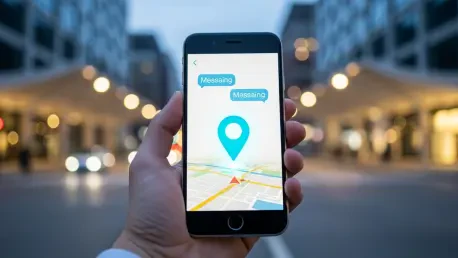
The introduction of native location sharing is a massive win for convenience, especially for parents who want to keep tabs on kids walking home from school or friends trying to find each other at a 50,000-person music festival. Previously, you had to jump out of your chat, open Google Maps, copy a URL, and paste it back into the conversation, which felt clunky and archaic. Now, because this is baked into the Rich Communication Services (RCS) standard, that friction disappears entirely. To stay safe, users must remember that this isn’t just a static pin; it is active tracking, so it is vital to check who has access and set time limits on how long your location is visible. Being mindful of these permissions ensures the feature remains a helpful tool for coordination rather than an open door into your private movements.
While native messaging apps are evolving, platforms like WhatsApp have dominated the global market for years. What are the primary hurdles for a native app trying to shift deeply embedded user habits, and how do cross-platform features influence that competitive landscape?
The biggest hurdle isn’t actually the feature set; it’s the “network effect” where people simply use whatever their friends and family are already using. WhatsApp sits atop a staggering number of users globally because it offers a reliable, identical experience whether you are on a $200 Android phone or the latest $1,200 iPhone. Google is essentially playing a high-stakes game of catch-up against services that have offered location sharing and high-quality media for a very long time. Even with a fresh coat of paint and modern RCS features like typing indicators, it is incredibly difficult to convince a user to migrate if their entire social circle is anchored to a cross-platform competitor. Success in this landscape requires more than just matching features; it requires providing a reason to switch that outweighs the comfort of existing habits.
Transferring message history between new devices often requires a full system restore rather than a simple account-based sync. Why has data portability remained such a significant technical barrier, and what specific impact does this friction have on users who enjoy switching between different smartphone brands?
It is honestly baffling that in 2024, moving your message history still feels like a digital root canal for many Android users. Unlike the competition, where you can securely back up to the cloud and download your history to a new device in minutes, Google Messages often forces you to perform a total system restore to get your old threads back. This creates a “friction tax” for enthusiasts who love to jump between the latest and greatest hardware, as the data is technically in the cloud but lacks a simple “restore” button within the app itself. When a user has to wipe their phone clean just to see last year’s texts, it highlights a fundamental flaw in the platform’s foundational elements of data portability. This technical barrier effectively discourages people from experimenting with different brands, as the fear of losing years of sentimental conversations is a powerful deterrent.
Moving a SIM card between different Android manufacturers can sometimes result in a fragmented messaging experience regarding backups and history. How does this lack of seamless integration across hardware affect long-term brand loyalty, and what infrastructure is necessary to standardize the message restoration process?
The experience of taking a SIM card out of a Pixel and sliding it into a Samsung or Motorola device should be seamless, but the reality is often fragmented and frustrating. This lack of consistency across the Android ecosystem erodes brand loyalty because the “it just works” factor is missing when you step outside of a specific manufacturer’s silo. To fix this, we need a standardized, account-based restoration infrastructure that lives independently of the device setup wizard. We have seen rumors and leaks about a dedicated restore option being developed within the app, which would finally allow users to sign in and sync conversations with a single tap. Until that infrastructure is set in stone, the ecosystem will continue to feel like a collection of separate islands rather than a unified continent.
RCS technology aims to modernize texting with read receipts and high-quality media sharing. Beyond location tools, what specific technical milestones must this standard reach to truly achieve parity with encrypted third-party apps, and how would you measure its success over the next year?
To truly stand toe-to-toe with the “big boys” of messaging, RCS needs to move beyond just being a “better SMS” and become a invisible, rock-solid backbone for all communication. This means ensuring that end-to-end encryption and high-quality media sharing are universal, regardless of the carrier or the specific Android skin being used. I would measure success over the next year by looking at the “invisible” metrics: how many users no longer feel the need to install a third-party app the moment they unbox a new phone? If Google can bridge the gap in data portability and maintain its brilliant handling of spam, it will finally move from being a “solid app” to being the indisputable king of Android texting. Parity isn’t just about matching a checklist of features; it’s about matching the emotional peace of mind that comes with knowing your data is safe and portable.
What is your forecast for Google Messages?
I predict that over the next year, Google will finally break down the wall between device setup and message restoration, making Google Messages a truly cloud-first platform that rivals the ease of WhatsApp. As the RCS protocol becomes the default standard even for cross-platform communication with iOS, we will see a significant decline in the “green bubble” stigma, which will inadvertently boost the utility of Google’s native app. However, while the app will become technically superior, it will still struggle to unseat established giants in markets where third-party apps are already a cultural staple. Ultimately, Google Messages will become the gold standard for the “out-of-the-box” experience, but it will take at least another two years of aggressive infrastructure updates to prove it can handle the heavy lifting of our entire digital legacies.