
The boundary separating professional-grade mirrorless cameras and high-end smartphones has reached a definitive tipping point with the introduction of hardware that prioritizes optical physics over mere digital processing. While software-based computational photography has dominated the industry for years, enthusiasts and professionals alike have often lamented the lack of tactile control and physical adaptability found in dedicated photography gear. The release of the Honor Magic8 Pro Professional Imaging Kit, developed in partnership with Telesin, represents a significant shift toward a modular ecosystem that addresses these long-standing limitations. By combining a sophisticated magnetic attachment system with high-quality glass and ergonomic hardware, this suite of accessories provides a solution for creators who require more than just a standard point-and-shoot experience. This development suggests a future where the smartphone serves as the core processor for a much larger, highly customizable imaging rig.
Advanced Engineering and Thermal Management
Modular Case Architecture
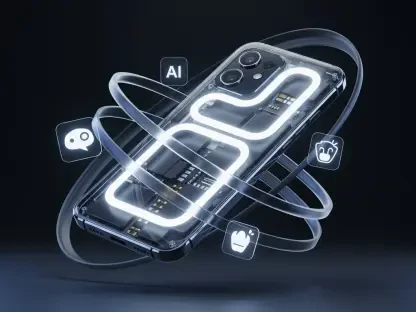
The foundation of this imaging ecosystem resides in a specialized protective case that serves as much more than a simple bumper for the device. Engineered with a distinct radiator-style grille, the case is designed to manage the significant heat generated during high-bitrate video recording or extended burst photography sessions. This thermal management is crucial because modern image processors often throttle performance when temperatures rise, leading to dropped frames or reduced processing speeds. By integrating these cooling vents directly into the chassis, the system ensures that the internal hardware remains at optimal operating temperatures during intensive use. This practical design choice reflects an understanding of the demands placed on mobile devices by professional creators who cannot afford hardware instability during a critical shoot.
Beyond its thermal properties, the case integrates the latest Qi2 magnetic standards to facilitate a seamless connection with a wide array of specialized accessories. This magnetic array is not merely for wireless charging; it provides a high-strength mounting point for the kit’s various optical and ergonomic components. The inclusion of a 67mm filter thread system allows users to attach industry-standard photography filters, such as circular polarizers or neutral density filters, directly over the phone’s lens array. This capability is essential for controlling light in challenging outdoor environments, where digital simulations often fail to replicate the nuanced effects of physical glass. By enabling the use of standard 67mm accessories, the kit bridges the gap between the mobile world and the extensive catalog of existing professional photography tools.
Optical Expansion Capabilities
One of the most impressive technical achievements within this suite is the inclusion of a dedicated 2.35x telephoto extender lens that drastically alters the device’s native perspective. When mounted to the primary 85mm optical zoom module, this extender effectively pushes the focal length to a powerful 200mm equivalent. This is not a digital crop that sacrifices resolution; it is a physical optical transformation that maintains the integrity of the sensor’s data while providing superior reach. The result is a level of background compression and subject isolation that was previously unattainable on a mobile platform without significant AI intervention. This allows photographers to capture wildlife or sports with a clarity and depth of field that feels organic and professional, moving away from the flat look common in smartphone photography.
The versatility of the 67mm threading system means that the user is not limited to the proprietary optics provided in the kit. Because the system utilizes a standard diameter, photographers can experiment with third-party anamorphic lenses, specialized macro attachments, or vintage glass with the appropriate adapters. This open-ended approach to mobile optics encourages a level of creative experimentation that has been largely missing from the smartphone market. By focusing on the quality of the light hitting the sensor before any software processing occurs, the hardware ensures that the “AiMAGE Color Engine” has the best possible raw data to work with. This synergy between physical optical enhancement and backend processing defines the new standard for high-end mobile imaging performance in the current market.
Ergonomic Control and System Stability
Professional Handling and Tactile Interface
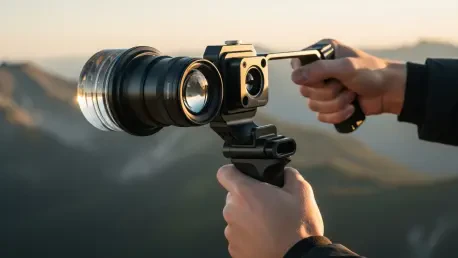
A significant hurdle in mobile photography has always been the awkward ergonomics of holding a slim, glass-covered slab while trying to adjust settings or stabilize a shot. The Bluetooth-enabled camera grip included in this kit solves this issue by providing a substantial, textured handle that mimics the feel of a traditional camera body. Utilizing a magnetic attachment mechanism rather than a mechanical clamp, the grip allows for nearly instantaneous mounting and the ability to switch between landscape and portrait orientations in seconds. This speed is vital for social media creators who frequently toggle between cinematic horizontal video and vertical content for various platforms. The grip transforms the device into a balanced tool that can be held securely with one hand, reducing fatigue during long sessions.
The grip is equipped with a suite of tactile controls that offer physical feedback, a feature that touchscreens simply cannot replicate. It features a two-stage shutter button, allowing photographers to lock focus and exposure with a half-press before capturing the image. A dedicated control dial and zoom lever provide precise adjustments to settings like aperture or focal length, while a secondary record button ensures that video capture is always a single click away. Furthermore, the inclusion of a standard 1/4-inch threaded hole at the base of the grip allows for immediate mounting to tripods or gimbals. This integration of physical controls does more than just improve comfort; it enhances the precision of the photographic process, allowing for more deliberate and technical compositions.
Firmware Optimization and Stabilization
While the hardware provides the physical interface, a comprehensive firmware update ensures that the software can keep pace with the new mechanical capabilities. The most prominent software feature is a sophisticated stabilization system that has achieved a CIPA rating of 6.5, the highest currently reported for any smartphone on the market. This system does not rely solely on digital cropping; instead, it utilizes thermal awareness and motion-adaptive logic to calibrate the internal hardware in real-time. By understanding the physical movements of the user and the thermal state of the device, the software can provide an incredibly stable preview even when zoomed in at extreme ranges. This level of stability is critical when using the 200mm extender, as even the slightest hand tremor can significantly blur an image at long focal lengths.
The software enhancements extend to the “AiMAGE Color Engine,” which has been redesigned to prioritize authenticity and natural color reproduction over artificial saturation. This engine works in tandem with the physical filters and lenses to ensure that the final image reflects the true atmosphere of the scene. In practical performance tests, the system has demonstrated the ability to produce usable digital zoom up to 400mm, though its true strength remains in the native optical range provided by the kit. By focusing on background bokeh and compressed perspectives, the software avoids the “watercolored” look often found in aggressive digital zooming. This balanced approach between high-end hardware and intelligent software ensures that the device remains a reliable tool for both professional photographers and serious content creators.
Strategic Implementation for Modern Creators
The transition from traditional photography to a mobile-centric workflow requires more than just high-quality sensors; it demands an ecosystem that respects the technical needs of the user. To maximize the potential of the Magic8 Pro kit, photographers should begin by integrating physical neutral density filters into their daylight shooting routines to maintain cinematic shutter speeds. Furthermore, the use of the 200mm extender should be paired with the two-stage shutter button on the grip to ensure that focus tracking remains locked on the subject. These small adjustments in technique, facilitated by the hardware, allow for a much more controlled and professional output. The industry is clearly moving toward a modular future where the phone acts as the brain of a professional rig, and adopting these tools early provides a distinct advantage in image quality.
Looking ahead from the current year, the success of such kits will likely drive further innovation in magnetic accessory standards and optical attachments. Professional creators should look for ways to incorporate these modular systems into their daily kits, replacing bulky mirrorless setups for on-the-go assignments where speed and portability are paramount. The focus should remain on the synergy between the physical glass and the computational backend, as this combination offers the most significant leap in mobile image fidelity. By investing in a modular system rather than a static device, users can ensure their gear remains adaptable to new optical challenges. This release serves as a blueprint for the next phase of mobile evolution, where the smartphone is no longer just a communication device, but a fully realized professional imaging platform.