
The familiar warmth of a smartphone escalating into uncomfortable heat during a demanding task while plugged in is a universal experience for power users, signaling a hidden battle between performance and battery longevity. This thermal challenge has long been an accepted trade-off for staying powered during intensive activities. However, a new software update for the OnePlus 13 introduces a technology designed to end this compromise, fundamentally changing how the device manages power under load.
The Hand-Warmer Effect During Intense Use
Many smartphone users have experienced their device becoming noticeably hot during prolonged gaming sessions, video streaming, or while using GPS navigation, especially when connected to a charger. This heat is not merely a minor inconvenience; it is a direct indicator of system strain. As internal temperatures rise, the device’s performance can be automatically throttled to prevent overheating, leading to dropped frames in games, slower app responsiveness, and a degraded user experience precisely when peak performance is most desired.
The core of the issue lies in the dual tasks the phone is forced to perform. The battery is simultaneously trying to absorb a significant electrical charge while also discharging power to run the processor, screen, and other components at full capacity. This concurrent activity generates a substantial amount of waste heat, turning the sophisticated device into a less-than-ideal hand-warmer and pushing its internal hardware to its thermal limits.
The Silent Strain: How Traditional Charging Damages Your Battery During Heavy Use
Beyond the immediate impact on performance, this excessive heat inflicts a gradual but permanent toll on the smartphone’s battery. Lithium-ion batteries, the standard in modern electronics, degrade faster when exposed to high temperatures. Each charging cycle under thermal stress contributes to a reduction in the battery’s maximum capacity, meaning it holds less charge over time. This process is the primary reason why a phone that once lasted a full day may struggle to make it to the afternoon after a year of heavy use.
This degradation occurs because traditional charging architecture routes all incoming power from the adapter directly into the battery. The battery then acts as the intermediary, supplying power to the rest of the phone’s systems. This creates a constant cycle of charging and discharging even when plugged in, a highly inefficient and heat-intensive process. This silent strain shortens the overall lifespan of the device, forcing users toward premature battery replacements or device upgrades.
Unpacking the OxygenOS 16.0.3.501 Update: A Two-Fold Upgrade for Performance and Creativity
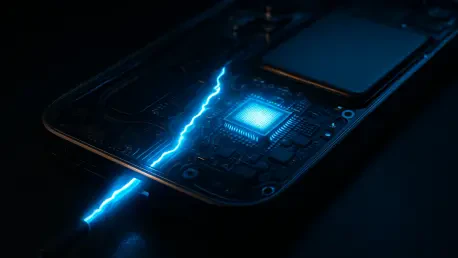
The latest firmware for the OnePlus 13, OxygenOS 16.0.3.501, directly addresses these challenges with the introduction of bypass charging. This feature intelligently reroutes power from the charging adapter directly to the phone’s motherboard when the system detects high-load activities. By circumventing the battery, this technology allows the device to run on direct power, drastically reducing the heat generated from the charging process and preserving the battery’s health.
Moreover, the update extends its benefits beyond performance and longevity. Recognizing the needs of content creators, the new firmware enhances the native Photos app to support editing of images up to 50 megapixels without any loss in quality. This dual focus demonstrates a commitment to improving the experience for both gamers and photography enthusiasts, making the OnePlus 13 a more versatile and durable device for all types of power users.
A Closer Look at the Official Changelog
An analysis of the official changelog reveals the precise implementation of this new technology. Bypass charging is designed to activate automatically during specific high-load scenarios, including gaming, live streaming, video playback, and navigation. This ensures the feature engages when it is most needed, protecting the battery during the most thermally intensive tasks without requiring any manual intervention from the user.
The update also includes several other quality-of-life improvements. The integration of the January 2026 Android security patch enhances system security, while the Photos app now supports editing high-resolution images. Further refinements include improved app categorization in the app drawer and new privacy options for files stored in Private Safe, rounding out a comprehensive software package that enhances both functionality and security.
Activating the Advantage: How to Leverage Bypass Charging in Your Daily Routine
For OnePlus 13 owners, taking advantage of this new feature is seamless. The system’s automatic detection means that during your next long gaming session or while using your phone for navigation on a road trip, the device will be cooler to the touch and maintain more consistent performance. There are no settings to toggle; the benefit is integrated directly into the user experience when the device is plugged in under heavy load.
Ultimately, the introduction of bypass charging marked a significant step toward smarter power management. This technology offered a direct solution to the long-standing problem of heat generation and battery degradation during simultaneous use and charging. By allowing the system to run on direct power, it not only preserved the long-term health of the battery but also delivered a more stable and comfortable user experience when it mattered most.