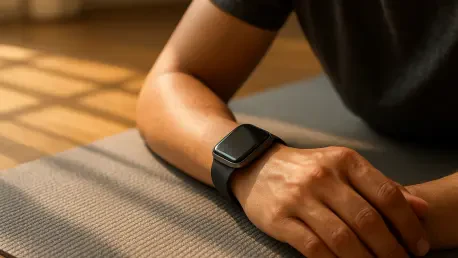

A growing number of fitness enthusiasts are turning to subscription-based tools to unlock the coaching potential hidden within their older Apple Watch sensors. While the introduction of modern readiness features in recent years suggested a need for the latest hardware, many individuals discovered that the high-quality sensors in Series 7 or Series 8 models were already capable of capturing the necessary data. A readiness score serves as a sophisticated synthesis of biological signals, primarily analyzing how the autonomic nervous system responds to stress, exertion, and rest. For many years, users had to manually interpret these figures or rely on external hardware, yet the current software landscape has democratized this experience. By utilizing historical health data stored within the Apple Health app, specialized software platforms now provide a comprehensive daily briefing that rivals the native features found on the newest flagship devices. This evolution highlights a significant shift where software intelligence compensates for the absence of specific hardware branding, allowing legacy devices to remain competitive.
Sophisticated Software Solutions: Reimagining Legacy Hardware
Among the most prominent tools filling this void, Bevel and Athlytic have emerged as leaders in providing high-end physiological insights. Bevel operates by categorizing vast amounts of biometric data into distinct pillars such as strain, recovery, and sleep quality. This approach allows a user with an older watch to see a recovery percentage that dictates whether they should push for a personal record or prioritize a rest day. Similarly, Athlytic delivers a data-rich environment that visualizes long-term trends in cardiovascular health. These applications do not simply display raw numbers; they apply proprietary algorithms to interpret the subtle fluctuations in a user’s heart rate variability. By integrating these metrics with sleep duration and consistency, the software generates a narrative about the body’s internal state. This level of analysis was once reserved for elite athletes using specialized chest straps, but it is now accessible to anyone with a functional watch and a willingness to explore the third-party ecosystem.
In contrast to the broader health platforms, applications like Training Today and Incredible focus on immediate, actionable snapshots of physical preparedness. Training Today utilizes a specific ‘Readiness to Train’ metric that constantly updates throughout the day, providing real-time feedback via watch face complications. This is particularly useful for those who balance erratic work schedules with fitness goals, as it allows for spontaneous adjustments based on current fatigue levels. On the other hand, Incredible offers a user-friendly, widget-centric interface that breaks down readiness into a simple 100-point scale. It goes a step further by identifying exactly which vital sign—be it a high resting heart rate or poor sleep hygiene—is dragging the score down. This granular transparency empowers users to make specific lifestyle changes rather than guessing why they feel sluggish. These tools prove that the limitation for older watches was never the physical hardware, but rather the lack of a native interface to present these complex correlations in a digestible format.
Strategic Health Management: Implementing Sustainable Recovery Habits
The technical foundation of every readiness score lies in Heart Rate Variability, a metric that reflects the balance between the sympathetic and parasympathetic nervous systems. Even models from several years ago possess the infrared and green LED sensors required to measure these micro-adjustments in heart timing with surprising accuracy. While Apple initially reserved the simplified Vitals view for its newest units, the data stream itself has always been available within the broader health database. Modern third-party developers have leveraged this by applying machine learning to identify personal baselines over a two-week period. This allows the software to distinguish between a temporary dip in recovery and a chronic trend of overtraining. By focusing on these variances rather than static targets, these applications provide a more personalized coaching experience than standard activity rings ever could. The transition toward predictive analytics means that a watch can now warn a user of impending illness before physical symptoms manifest.
The decision to leverage third-party software for readiness tracking proved to be a pivotal strategy for users who sought to maximize their technology. Instead of rushing to purchase new hardware, enthusiasts successfully utilized these applications to bridge the gap in native functionality. This transition encouraged a more nuanced understanding of how rest periods and sleep consistency influenced performance. Individuals who adopted these tools found they could maintain high training efficiency by listening to the physiological signals captured by older sensors. The process involved identifying specific needs, such as prioritizing deep data analysis or simple widgets. Ultimately, this approach saved financial resources while providing advanced coaching insights necessary for long-term wellness. Those who explored these digital solutions discovered that the potential of their wearable device was unlocked by sophisticated algorithms. Looking ahead from 2026 to 2028, prioritizing software-led health management offered a sustainable path for all fitness participants.