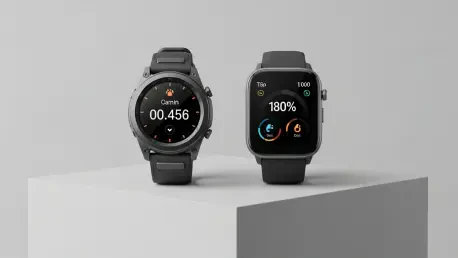

The quest for the perfect mile has shifted from the track to the wrist as wearable technology reaches a level of sophistication previously reserved for laboratory equipment. For years, the marathon community looked toward specialized brands for data that could shave seconds off a personal best, but the landscape is shifting rapidly. The arrival of the Huawei Watch GT Runner 2 marks a bold attempt to disrupt the high-end fitness market, traditionally dominated by the likes of the Garmin Epix Pro and Apple Watch Ultra 3.
This evolution represents a transition from simple step counting to deep physiological analysis. Huawei has tailored its latest offering specifically for the professional running community, integrating high-precision tracking with a lightweight frame. Meanwhile, the Garmin Epix Pro remains the gold standard for many, offering a rugged build and an expansive ecosystem that athletes have trusted for generations. Choosing between them now requires a nuanced understanding of how these different engineering philosophies translate to the pavement.
Key Performance Indicators and Technological Capabilities
Precision Tracking and Sensor Technology
Reliable data serves as the foundation of any training regimen, and both manufacturers have invested heavily in sensor accuracy. The Huawei GT Runner 2 introduces the TruSense heart rate sensor, which utilizes refined light-path technology to minimize interference. In direct comparison with the Garmin Elevate Gen5 sensor, the results are impressively close. During a standardized 5.4km test run, the variance in average heart rate between the two devices was only 8bpm, a margin that suggests Huawei has successfully closed the gap with industry leaders.
Satellite connectivity presents another critical battleground for these wearables. Huawei employs a redesigned 3D antenna array intended to maintain a lock even in dense urban environments or under heavy tree cover. Garmin counters with its proven multi-band GNSS, which has long been the benchmark for accuracy. Tests revealed a mere 30-meter deviation in total distance over several kilometers, proving that the GT Runner 2 can hold its own against Garmin’s established positioning dominance.
Display Quality and User Interface Design
Visual clarity becomes paramount when a runner is pushing through the wall and needs a quick glance at their splits. Both watches utilize vibrant AMOLED technology, ensuring that metrics remain legible even under the harsh glare of midday sun. However, the physical experience of wearing them differs significantly. The GT Runner 2 emphasizes a featherlight construction that prioritizes comfort during long-distance efforts, whereas the Epix Pro feels more substantial, reflecting its rugged, premium outdoor heritage.
The way an athlete interacts with their device during a sprint also matters. Huawei’s interface is remarkably responsive, favoring a fluid touchscreen experience that feels modern and intuitive. Conversely, the Epix Pro retains a robust five-button layout. This traditional approach is often preferred by trail runners and triathletes who may have wet hands or be wearing gloves, providing tactile feedback that a screen sometimes lacks in extreme conditions.
Training Ecosystems and Software Intelligence
Software is where these devices truly attempt to act as a personal coach rather than a mere data logger. Huawei has introduced an intelligent Marathon Mode that provides adaptive training advice based on real-time fatigue levels and historical performance. This system mirrors the sophisticated route-planning found in Coros devices, helping runners visualize their progress and adjust their intensity to avoid overtraining or injury.
Garmin, however, maintains an edge through its deep integration of recovery metrics and training readiness scores. The Epix Pro ecosystem analyzes sleep, heart rate variability, and previous workloads to suggest whether a user should push for a personal record or take a rest day. While Huawei is catching up with aggressive software updates, Garmin’s decade of accumulated physiological data provides a level of predictive insight that remains difficult to replicate.
Practical Challenges and Market Considerations
Navigating the purchase of these devices involves more than just comparing spec sheets; regional logistics play a massive role. The Huawei GT Runner 2 faces a significant hurdle due to its absence from the United States market, making it a specialized import for North American athletes. This availability gap often pushes domestic buyers toward the Garmin Epix Pro, which enjoys universal support and a vast network of retail presence.
Furthermore, the price-to-performance ratio creates a compelling argument for the Huawei model. At approximately $475, it offers hardware capabilities that rival the much more expensive Epix Pro. However, Garmin users are often paying for the ecosystem. The ability to sync seamlessly with third-party tools like the Polar #0 heart rate monitor or various power meters remains a cornerstone of the Garmin experience, whereas Huawei’s third-party compatibility is still expanding.
Final Verdict and Recommendations for Athletes
The competitive landscape for performance wearables has never been more vibrant, with the Huawei Watch GT Runner 2 proving to be a formidable challenger. It successfully synthesized advanced GPS technology with a highly responsive training interface, making it an excellent choice for marathoners who prioritize high-value hardware and specialized coaching features. For those who do not require the extensive map layers or the rugged build of a mountaineering watch, it provided a streamlined, data-rich experience.
The Garmin Epix Pro retained its position as the more versatile tool for the multi-sport athlete who demanded broad ecosystem integration and proven durability. Looking ahead, the pressure is on established brands to continue innovating as Huawei narrows the accuracy gap. Future considerations for athletes will likely focus on platform longevity and the integration of even more sensitive metabolic sensors. The progress made by the GT Runner 2 suggested that the definition of a professional fitness tool was no longer tied to a single brand.