
Modern explorers frequently encounter the terrifying reality of complete isolation when digital signals vanish in remote wilderness or across international borders. The Infinix Note 60 Ultra responds to this universal vulnerability by becoming the first consumer smartphone to enable seamless two-way satellite calling. This release signifies a departure from traditional mobile connectivity, offering a lifeline that functions regardless of terrestrial infrastructure. By merging rugged communication capabilities with a sleek flagship aesthetic, the device redefined what users expect from a premium handset in a hyper-connected yet geographically challenging world.
A New ErConnectivity Beyond Cell Towers
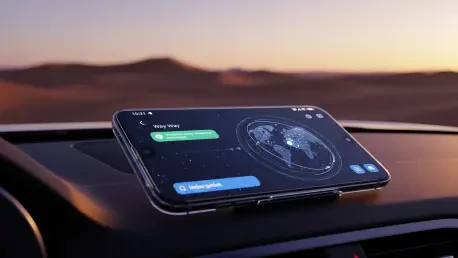
The anxiety of the “dead zone” has long been a limitation for even the most expensive flagship devices currently on the market. By integrating satellite hardware directly into a sophisticated consumer frame, Infinix ensures that users remain reachable during emergencies or remote expeditions without needing bulky external equipment. This technology allows for voice and data transmission via orbital networks, effectively bridging the gap between specialized survival gear and everyday mobile utility.
Furthermore, the implementation of two-way satellite messaging across international borders represents a significant technical milestone. Unlike previous iterations of mobile satellite tech that limited users to one-way distress signals, this system fostered a continuous dialogue. It provided a reliable solution for global travelers who require consistent uptime in areas where cellular towers are non-existent or compromised by local infrastructure failures.
The Intersection: Automotive Excellence and Mobile Innovation
Consumers today often find the smartphone market saturated with designs that feel indistinguishable from one another. To break this cycle, Infinix collaborated with Pininfarina, the legendary Italian design house responsible for shaping the legacy of high-performance Ferrari vehicles. This partnership resulted in a device that functions as a piece of functional art, appealing to those who view their technology as a reflection of personal style and global ambitions.
The collaboration went deeper than a mere logo placement, influencing the very ergonomics and material choices of the device. Drawing inspiration from luxury grand tourers, the phone featured a streamlined profile and high-quality finishes that mirrored automotive-grade craftsmanship. This approach addressed the growing trend where mobile hardware is expected to provide both peak performance and an elite tactile experience.
Engineering the “Uni-Chassis”: High-Performance Internals
Structural integrity met aesthetic fluidity in the construction of the “Uni-Chassis” camera module, which utilized a continuous sheet of Gorilla Glass Victus. Beneath this exterior, the Dimensity 8400 chipset drove the system, utilizing an all-big-core architecture to handle demanding applications without lag. To maintain stability during intense workloads, a 3D IceCore vapor chamber dissipated heat effectively, while the 4,500-nit OLED display ensured total clarity in the harshest desert lighting.
The internal layout was optimized to balance weight distribution, making the large-screen device feel balanced in the hand. Advanced cooling protocols allowed the processor to sustain high clock speeds during satellite data bursts or heavy gaming sessions. Consequently, the hardware managed to stay cool even when the 144Hz refresh rate was pushed to its maximum potential during multitasking.
Professional-Grade Imaging: Advanced Power Management
Photography enthusiasts gained access to a 200MP Samsung HPE sensor, which worked in tandem with an XDR Image Engine to produce professional-grade dynamic range in every shot. Supporting these high-drain features was a 7,000mAh silicon-carbon battery, providing superior energy density compared to standard lithium-ion alternatives. This battery technology included self-healing properties that preserved long-term health, while 100W wired and 50W MagCharge systems offered rapid recovery for a busy lifestyle.
The imaging system also benefited from a specialized periscope lens that allowed for crisp magnification during nature photography. Integrated power management software monitored usage patterns to distribute energy efficiently between the satellite modem and the high-resolution display. This synergy ensured that the device remained operational for extended periods, even when the user was far from a traditional power source.
Maximizing the Note 60 Ultra Experience
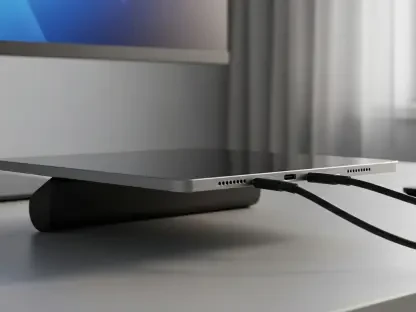
To fully utilize this powerhouse, owners explored the specialized MagCharge ecosystem, including the zinc alloy base and Kevlar-pattern MagPad for efficient energy transfer. Travelers benefited most from configuring their satellite communication profiles before departing for off-grid locations, ensuring the two-way system was primed for emergency use. With a commitment to Android 16 and long-term security support, this hardware served as a future-proof tool for the modern professional.
The transition toward satellite-integrated mobile devices signaled a broader shift in how manufacturers approached global safety. Future considerations for the industry involved the expansion of these orbital features into mid-range segments to democratize emergency access. Ultimately, the adoption of silicon-carbon batteries and high-brightness displays set a new benchmark for endurance and legibility in the premium smartphone category.