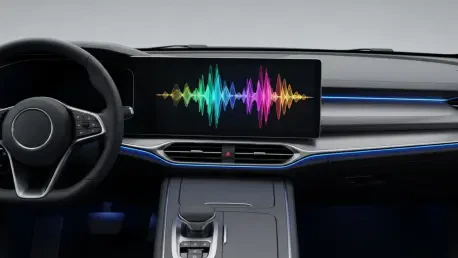

The integration of sophisticated artificial intelligence into the automotive environment has reached a pivotal juncture as the latest software release transforms how drivers interact with their digital ecosystems while navigating busy roadways. This update signifies a departure from the rigid, command-based architectures of the past, opting instead for a fluid dialogue that mirrors human interaction more closely than ever before. For years, motorists have sought a more intuitive way to manage information and complex queries without compromising their primary focus on the road. The introduction of third-party large language models like ChatGPT directly into the vehicle dashboard addresses this demand, bridging the gap between mobile productivity and road safety. By moving beyond the basic capabilities of standard virtual assistants, the system now offers a layer of cognitive support that can synthesize information, provide detailed explanations, and maintain context throughout a journey, effectively turning the car into a mobile office or a personal research center.
Seamless Integration of Conversational Intelligence
Upon updating to the newest firmware, users observe the appearance of a familiar icon on the CarPlay display, signifying that the bridge between the iPhone and the vehicle now supports advanced generative capabilities. Unlike previous iterations that required complex workarounds, the setup process is streamlined, requiring only the presence of the updated application on the connected smartphone. Once active, the interface prioritizes a distraction-free experience, presenting a minimalist layout that favors auditory feedback over visual engagement. The software utilizes a dedicated voice mode that has been optimized for the acoustic challenges of a moving vehicle, ensuring that the AI can accurately process speech even against the backdrop of wind and engine noise. This implementation represents a strategic move to democratize high-level AI access, making it available to millions of vehicles compatible with the platform rather than limiting such features to luxury models equipped with expensive hardware.
While certain automotive manufacturers have previously introduced their own proprietary AI integrations, such as the specialized systems found in high-end electric vehicles and modern luxury sedans, these solutions often remain confined to specific brands. The arrival of ChatGPT on the CarPlay platform shifts this dynamic by offering a cross-manufacturer solution that remains consistent regardless of the vehicle being driven. This uniformity is particularly beneficial for users who frequently switch between personal and professional vehicles or use rental services, as it maintains a familiar conversational interface across different hardware environments. Furthermore, the inclusion of this third-party AI creates a competitive environment where other major players are likely to follow suit with their own conversational models. This diversification ensures that drivers are not locked into a single ecosystem but can instead choose the AI personality and knowledge base that best suits their specific needs for navigation or information retrieval while on the move.
Safety Standards and Functional Constraints
Safety remains the paramount concern for developers, leading to a restricted interface that intentionally blocks all text-based interactions to prevent the driver from looking away from the road. All information exchange occurs via high-quality text-to-speech synthesis, and the display is limited to basic controls such as a mute button and an end-session icon to ensure the driver attention remains focused on the primary task of operating the vehicle. This voice-centric approach is mandated by strict regulatory frameworks designed to mitigate the risks associated with cognitive load and visual distraction in the cockpit. Although the absence of text might seem like a limitation for some users, it reinforces a hands-free philosophy that is essential for modern driving environments. By sanitizing the user experience of any visual clutter, the system ensures that the advanced capabilities of the large language model do not become a liability. This design choice highlights the delicate balance technology firms maintain when bringing high-powered tools into the vehicle.
The successful rollout of this conversational tool demonstrated that deep AI integration can be achieved within the confines of existing safety protocols, paving the way for even more comprehensive updates. Stakeholders in the automotive and tech sectors identified that the next logical step involved granting these AI models the ability to interface directly with vehicle hardware for climate control and diagnostic monitoring. It became clear that developers needed to prioritize the implementation of hands-free activation to eliminate the current requirement for manual screen taps, which would further enhance the safety profile of the system. Future considerations were centered on creating a more cohesive link between the car sensors and the AI context awareness to provide proactive assistance based on real-time traffic data. By establishing this initial framework, the industry moved closer toward a truly intelligent cockpit experience that prioritized user safety while maximizing the utility of generative technology.