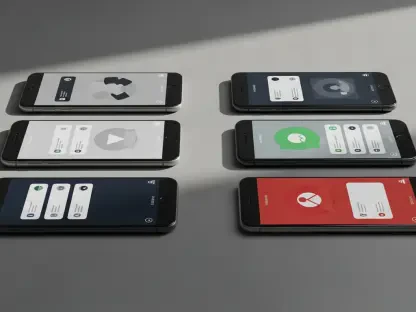

The silhouette of the modern smartphone has remained virtually unchanged for over a decade, but the quiet hum of assembly lines in Asia suggests that Apple is finally preparing to shatter its own glass ceiling. After years of watching from the sidelines while competitors experimented with flexible displays, the tech giant has moved beyond the realm of patents and into the high-stakes world of physical production. This shift signifies more than just a new product; it represents the most radical evolution of the iPhone since the removal of the home button, marking the end of the “wait and see” era in Cupertino.
The End of the Waiting Game: From Blueprints to Assembly Lines
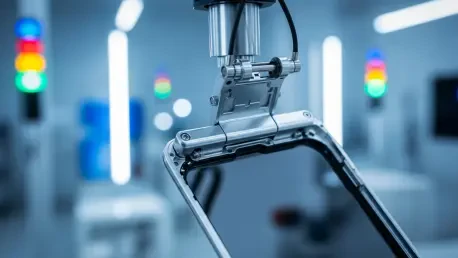
For the first time in the history of the project, the foldable iPhone has transitioned from digital renders to trial production units. This phase is a critical bridge between engineering theory and retail reality, as small-batch manufacturing allows the company to test the structural integrity of the device under real-world conditions. With physical units now existing within the secure walls of Apple’s testing facilities, the project has officially reached a point of no return.
While the public has long speculated on the existence of a “Flip” or “Fold” variant, the commencement of trial production indicates that the supply chain has finally met Apple’s stringent standards for screen durability. Moving toward mass production requires a level of confidence in the hinge mechanism and crease-free display that has previously eluded the company. Consequently, the transition to the factory floor suggests that the final design is locked in and ready for the global stage.
Why Apple’s Late Entry into the Foldable Market Matters
Apple has built a trillion-dollar legacy by being the best, rather than the first, and its entry into the foldable market follows this precise pattern of calculated delay. By allowing others to navigate the early pitfalls of screen cracking and mechanical failure, Apple has gathered invaluable data on consumer behavior and hardware longevity. This entry is designed to revitalize a market segment that some critics argue has reached a plateau of aesthetic boredom and incremental updates.
The decision to pivot toward a foldable form factor addresses the modern user’s paradoxical desire for a massive screen that remains compact enough for effortless portability. As mobile software becomes more complex and media-heavy, the traditional slab format struggles to provide the necessary real estate for high-level productivity. Apple’s intervention is expected to legitimize the foldable category for the average consumer, turning a niche enthusiast hardware into a mainstream necessity.
Strategic Timing and the December Launch Window
Industry insiders point toward an unconventional release schedule that breaks the traditional September cycle for this specific hardware. Rather than crowding the autumn announcement of the standard flagship series, the foldable iPhone is reportedly slated for a dedicated debut in December. This timing allows the device to capture the late-winter market and stand alone as a premium gift item, ensuring it does not cannibalize the sales of the standard Pro and Pro Max models.
This release fits into a crowded roadmap that stretches from late 2026 into the following year, including rumors of a mid-range iPhone 18e and a ultra-slim “iPhone Air 2.” By spacing these launches across different quarters, Apple is adopting a strategy of constant market presence. This approach ensures that the brand remains the center of tech discourse throughout the entire fiscal year, rather than relying on a single explosive moment in the fall.
Hardware Milestones and Aesthetic Choices
The current trial production phase is focused on perfecting a design that prioritizes sophisticated minimalism over flashy experimentation. Reports indicate that the first generation will launch with a conservative color palette, focusing solely on deep black and pristine white finishes. This choice reflects a desire to emphasize the engineering marvel of the folding glass itself rather than distracting the eye with a wide variety of chassis colors.
Overcoming the engineering hurdles required a total reimagining of the internal layout to accommodate the hinge without sacrificing battery life or thermal efficiency. Apple has reportedly developed a proprietary alloy for the folding mechanism that significantly reduces the visibility of the screen crease compared to existing rivals. By achieving a “finalized” status for these components, the company has signaled that it is satisfied with the device’s ability to survive hundreds of thousands of folds over a multi-year lifespan.
Expert Analysis and Industry Implications
Supply chain indicators suggest that manufacturers have reached a level of yield consistency that makes a mass-market launch viable for the first time. Unlike previous years where production was stalled by high failure rates in flexible panels, the current hardware has passed rigorous stress tests. This stability gives Apple a unique advantage, as it can leverage its massive ecosystem to ensure that the foldable hardware is immediately supported by a suite of optimized applications.
Observers believe that the commencement of trial production makes the arrival of leaked photos and videos almost inevitable. As the device moves through different stages of quality control across multiple international facilities, the “shroud of secrecy” traditionally maintained by Cupertino becomes harder to enforce. This transition from myth to reality sets the stage for a competitive showdown, where Apple’s late arrival may ultimately redefine the standards of the entire industry.
Preparing for the Fold: What Consumers Should Expect
Integrating a flexible display into the Apple ecosystem will require a significant evolution of iOS to handle seamless multitasking and dynamic app scaling. Users should expect a software experience that transforms as the screen unfolds, offering a tablet-like interface for creative work while maintaining a familiar smartphone feel when closed. This transition marks a new chapter in mobile computing where the boundary between the iPad and the iPhone begins to blur in a meaningful, functional way.
When the device finally hit the market, it occupied a distinct premium price bracket above the standard Pro models, reflecting the high cost of its specialized components. The first generation focused on establishing structural reliability and a refined user experience rather than packing every possible experimental feature into the frame. Ultimately, the move toward a foldable future provided a solution to the limitations of static screens and set a new trajectory for the next decade of personal technology.