
The wearable technology market has reached a point where consumers no longer have to choose between a bulky, overpriced flagship and a flimsy fitness tracker that lacks basic smart features. As users demand more sophisticated health data without the constant distraction of a heavy app ecosystem, the OnePlus Watch Lite steps into a competitive arena to offer a streamlined experience. It represents a strategic shift for the manufacturer, moving away from the complexities of high-power operating systems toward a more focused, endurance-oriented approach. This device targets a specific demographic that values aesthetic elegance and long-term reliability over the ability to run third-party software that often drains battery life within a single day. By prioritizing core biometric tracking and a premium physical build, the watch attempts to redefine what a mid-range wearable can achieve in 2026. This balance of form and function suggests a new direction for mobile accessories that cater to active lifestyles while remaining affordable for the average professional.
Physical Engineering: A Fusion of Style and Durability
Premium Materials: The Stainless Steel Aesthetic
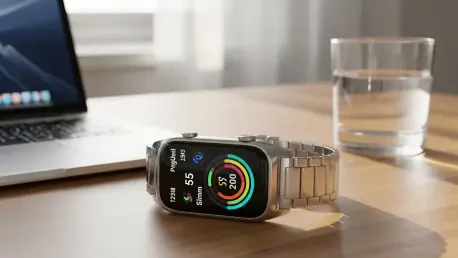
Building on a reputation for clean industrial design, this wearable utilizes a high-end stainless steel frame that contradicts its affordable market positioning. The decision to employ such durable materials ensures that the device can withstand the rigors of daily exercise while maintaining a professional appearance suitable for a corporate environment. At a remarkably slim 8.9mm profile, it holds the title of the thinnest smartwatch in the current lineup, offering a level of comfort that prevents it from snagging on sleeves or feeling cumbersome during sleep tracking. The integration of a digital crown provides a tactile method of navigation that feels more intuitive than relying solely on touch gestures, especially during intense physical activity when hands might be sweaty. Furthermore, the integration of a specialized health touch sensor underscores a commitment to precision, allowing users to interact with the hardware in a way that feels purposeful and technologically advanced.
Visual Precision: High-Brightness Display Technology
The visual experience is centered around a 1.46-inch 2.5D curved OLED touchscreen that provides deep blacks and vibrant colors, ensuring that data is legible in various lighting conditions. With a peak brightness reaching 3,000 nits, the display remains perfectly visible even under direct sunlight, a crucial feature for outdoor runners and cyclists who need to check their progress at a glance. The Always on Display capability allows the watch to function as a traditional timepiece, eliminating the need for dramatic wrist gestures to wake the screen. Beyond its brightness, the interface is designed for clarity, utilizing the high pixel density to render text and icons with sharp precision. This hardware is complemented by a standard 22mm silicone strap featuring distinctive red stitching, which not only provides a secure fit but also allows for effortless customization through third-party bands. This adaptability ensures the watch remains a versatile accessory that can transition from the gym to a formal dinner.
Health Ecosystem: Strategic Software and Sensor Integration
Biometric Tracking: Comprehensive Wellness Monitoring
Functionality remains the cornerstone of this device, as evidenced by its support for over 100 distinct workout modes that cater to everything from traditional sports to niche fitness activities. To ensure high levels of accuracy for outdoor enthusiasts, the watch incorporates dual-band GPS, which significantly improves location tracking in dense urban environments or heavily forested areas where signals might otherwise fluctuate. The sensor suite goes beyond basic heart rate and blood oxygen monitoring to include sophisticated metrics such as wrist temperature and arterial stiffness. These additions provide a more holistic view of cardiovascular health and recovery, though it is clearly stated that these figures are intended for fitness reference rather than clinical medical diagnostics. The integration of sleep analysis and stress tracking further allows users to identify patterns in their daily routines, facilitating better decision-making regarding rest and exertion. This comprehensive approach transforms the wearable into a proactive health companion.
Actionable Intelligence: Future Steps for Wearable Users
The evolution of mid-range wearables shifted toward a more pragmatic design philosophy that emphasized battery longevity and essential health metrics over unnecessary app complexity. It became evident that the most effective way to integrate technology into a fitness routine was to minimize friction, leading to devices that required less frequent charging and offered more durable construction. Moving forward, those seeking to optimize their health tracking should look for hardware that supports multi-platform connectivity and high-brightness displays for outdoor versatility. The transition to dual-band GPS and advanced biometric sensors like arterial stiffness monitoring established a new standard for what consumers expected from non-medical devices. Future investments in this space will likely prioritize even thinner profiles and deeper sensor integration without sacrificing the ten-day battery threshold that users have come to value. For the active professional, selecting a device that bridges the gap between a simple tracker and a high-drain smartwatch remained the most logical step.