
The long-standing architectural identity of the Samsung flagship series has encountered a radical transformation that challenges the minimalist aesthetic established over the previous four device generations. For several years, the Ultra line distinguished itself through sharp, uncompromising corners and individual camera lenses that appeared to float independently on the glass back. However, the release of the Galaxy S26 Ultra suggests a deliberate pivot toward structural pragmatism and user comfort, signaling that the era of the “boxy” smartphone might finally be receding into history. This shift is not merely a stylistic whim but a response to the increasing complexity of mobile hardware, where the demand for larger sensors and better heat dissipation often clashes with the desire for a sleek, thin profile. As enthusiasts and professionals weigh the merits of this new direction, it becomes clear that Samsung is attempting to broaden the appeal of its most powerful device without sacrificing the core functionality that defines the brand’s premium identity. The current market environment demands a device that can transition seamlessly from a high-stakes business meeting to a professional-grade creative session, and this new design seeks to bridge that gap through refined ergonomics and updated internals.
Functional Necessity Meets the Camera Island
The reintroduction of a unified camera island marks one of the most visible departures from the preceding design language, effectively ending the trend of standalone lens cutouts. While some critics initially viewed this as a regressive step, closer inspection reveals that the move was dictated by the integration of a significantly wider aperture in the primary sensor. To achieve superior low-light performance, the physical optics required a depth and stability that individual rings could no longer provide without compromising structural integrity. Samsung’s engineers opted for a consolidated housing that features silver-edged detailing, creating a layered and intentional appearance that feels far more premium than the utilitarian bumps of the past. This architectural choice allows the device to process vastly more visual data, justifying the extra bulk through a measurable leap in photographic quality. By framing these powerful components within a singular, refined island, the manufacturer has successfully balanced high-end engineering requirements with a cohesive visual identity that stands out in the 2026 market.
Accompanying the revised camera module is a notable shift in the device’s overall silhouette, which now favors softer, more ergonomic curves over the aggressive, sharp-angled corners of previous years. This transition away from the “boxy” legacy of the Note series is a response to the growing physical dimensions of modern flagship phones, which can often feel unwieldy during prolonged one-handed operation. The S26 Ultra utilizes a hybrid frame that maintains a sense of authoritative presence while rounding off the points of contact that typically dig into a user’s palm. This design philosophy seeks a middle ground between the uncompromising geometry of professional tools and the fluid, approachable aesthetics found in competing devices from Apple and Google. Although long-time fans of the rectangular aesthetic may find the change jarring, the practical benefits of improved grip and pocketability are undeniable. This evolution suggests that Samsung is no longer content with a niche “power user” look, instead aiming for a form factor that feels natural to a much wider demographic of high-end smartphone consumers.
Adapting the S Pen and Ergonomic Trade-offs
The decision to implement a more curved chassis necessitated a complete physical redesign of the S Pen, illustrating the complex ripple effects that ergonomic changes have on a device’s entire ecosystem. Because the internal silo must now follow the slightly altered internal geometry of the frame, the stylus itself has been modified to sit perfectly flush against the new, softer edges. This adjustment ensures that the seamless integration of the S Pen remains a hallmark of the Ultra experience, even as the exterior shell undergoes a fundamental transformation. While minor on the surface, this engineering feat underscores the commitment to maintaining the device’s identity as a productivity powerhouse. The modified pen profile does not sacrifice the tactile feedback or pressure sensitivity that users expect; rather, it adapts these features to a more contemporary housing. This holistic approach to design demonstrates that Samsung is willing to overhaul even its most iconic accessories to ensure that a shift in aesthetics does not result in a loss of functional harmony or user convenience during daily tasks.
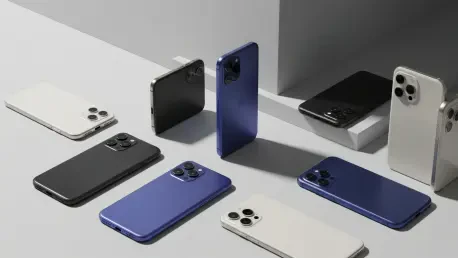
When examining the visual presentation and material finish of the current lineup, the color palette appears surprisingly restrained compared to the bold experimentation seen in earlier generations. Despite early rumors suggesting a revolutionary and “stunningly bright” white finish, the actual implementation resembles a standard matte ivory that lacks the distinctive visual impact many enthusiasts were anticipating. Other available options, such as the muted Cobalt Violet, suggest a shift toward a professional and understated aesthetic that prioritizes longevity over temporary trends. This conservative approach to color may be a strategic choice to differentiate the Ultra as a serious business tool, yet it stands in stark contrast to the vibrant, experimental hues currently being adopted by major competitors. By focusing on neutral tones and sophisticated finishes, the brand seems to be leaning into a “quiet luxury” philosophy, though this risks making the device feel somewhat safe in an industry that often thrives on visual flair. The limited range of colors for online-exclusive purchases further points toward a streamlined production strategy aimed at efficiency and broad market stability.
Display Security and Specialized Innovations
Innovation on the front of the S26 Ultra is centered around the introduction of a sophisticated “privacy display” technology designed to cater to the needs of security-conscious professionals. This specialized panel utilizes advanced micro-louver structures to significantly limit viewing angles, ensuring that sensitive data on the screen is visible only to the person directly in front of the device. While such a feature is notoriously difficult to demonstrate in digital leaks or static imagery, its real-world utility for users working in public spaces or high-security environments is substantial. This addition moves the Ultra beyond the standard competition for raw brightness and refresh rates, positioning it as a specialized tool for those who prioritize data integrity alongside performance. By integrating this hardware-level privacy solution, Samsung addresses a growing concern in the modern digital landscape where visual hacking is a recognized threat. This feature highlights a shift in focus toward “functional intelligence,” where the display serves not just as a canvas for media but as a proactive component of the user’s overall security architecture and professional workflow.
To support this hardware evolution, the company has deployed an aggressive market positioning strategy that leverages an intricate pre-order system to secure early adoption. By offering substantial trade-in credits, exclusive reservation incentives, and specific online-only colorways, the manufacturer is creating a high-pressure environment for loyal customers to commit to the new design. This commercial approach is a direct response to the intensifying competition from flagship rivals, ensuring that the S26 Ultra maintains its market share before other major releases can divert consumer attention. The strategy relies heavily on the perceived value of these incentives, which effectively lower the barrier to entry for a device that sits at the top of the price spectrum. This aggressive push suggests that the manufacturer is confident in the practical upgrades provided this year, using financial leverage to overcome any lingering hesitation regarding the aesthetic changes. This proactive stance ensures that the S26 Ultra remains a dominant force in the premium sector, even as consumer preferences and competitor offerings continue to evolve at a rapid pace.
Strategic Recommendations for Future Iterations
The transition toward a more rounded and functionally driven design language provided a clear roadmap for the future of the premium smartphone category. Moving forward, the focus should shift toward deepening the integration between specialized hardware features, such as the privacy display, and the software ecosystem to provide a more seamless user experience. Future iterations would benefit from exploring more diverse material sciences, perhaps utilizing advanced ceramics or textured titanium to add the visual “pop” that was missing from the current color palette. Additionally, the evolution of the S Pen should continue to prioritize haptic feedback improvements, ensuring that the tactile sensation of writing remains superior despite any further changes to the device’s physical profile. For consumers, the immediate priority was evaluating how the ergonomic shifts impacted their personal workflows, particularly for those who relied on the device for long-form productivity. By embracing these subtle but impactful changes, the manufacturer positioned itself to capture a broader audience while setting a new standard for how flagship devices balanced raw power with daily usability. These insights established a foundation for a more versatile and user-centric approach to mobile technology in the years to come.