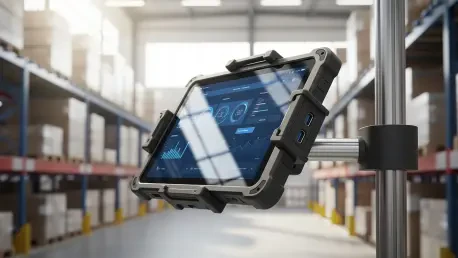

Modern industrial environments demand a level of resilience that standard consumer electronics simply cannot provide when faced with the relentless dust of a construction site or the fluctuating temperatures of a high-volume logistics warehouse. At the 2026 Mobile World Congress, Lenovo addressed this technological gap by introducing the ThinkTab X11, a device that signals the strategic expansion of its legendary “Think” ecosystem into the specialized world of rugged Android hardware. This transition highlights a pivotal moment for frontline workers in sectors such as manufacturing and transportation, where the necessity for reliable digital tools has often been met with compromise. By focusing on durability rather than just aesthetics, the company aims to provide a robust alternative for professionals who require equipment capable of surviving the daily rigors of field operations. The launch represents a broader industry trend where organizations prioritize long-term hardware reliability over the frequent replacement cycles common in the consumer market.
Engineering for Industrial Resilience
Built to Survive Extreme Conditions
The hardware architecture of the ThinkTab X11 is defined by its ability to endure environmental stressors that would typically render a standard tablet inoperable within minutes. Engineering teams have secured an IP68 rating, ensuring that the internal components remain protected against complete submersion in water and the ingress of fine particulate matter common in heavy industrial zones. Beyond mere water resistance, the device adheres to the rigorous MIL-STD-810H certification, which involves testing against drop impacts, high-intensity vibrations, and thermal shocks that occur during active field duty. To ensure that these protective measures do not hinder usability, the display incorporates specialized capacitive sensors designed to recognize inputs even when the user is wearing heavy protective gloves or when the screen is covered in moisture. This level of intentional design ensures that productivity remains constant regardless of whether a technician is working in a rain-slicked shipyard or a dusty manufacturing plant.
Beneath its reinforced exterior, the tablet utilizes the Snapdragon 7s Gen 3 mobile platform to strike a precise balance between high-performance processing and the energy efficiency required for extended operational windows. This chipset is particularly well-suited for the modern frontline, where workers often rely on data-heavy applications and real-time communication tools that can quickly drain a standard battery. By optimizing power consumption, the hardware ensures that a single charge can comfortably support a full eight-hour shift without requiring mid-day tethering to a charging station. Furthermore, the integration of advanced 5G and Wi-Fi connectivity allows for seamless data transmission in large-scale logistics hubs where network dead zones can lead to costly delays. This focus on internal efficiency suggests that Lenovo is moving toward a model where ruggedization does not necessitate a compromise in processing speed, providing field professionals with a tool that is as fast as it is durable under pressure.
Performance and Connectivity Standards
Perhaps the most significant advancement in this new hardware is the introduction of a sophisticated power management system that addresses the long-term degradation common in fleet-deployed electronics. The inclusion of a screwless removable battery allows field technicians to swap power cells instantly, eliminating downtime and extending the functional lifespan of the unit beyond the life of a single battery. Additionally, a unique battery-less mode enables the device to function via a direct power source, which is especially beneficial when the tablet is mounted in a vehicle or integrated into a static industrial kiosk. This configuration prevents the heat buildup and swelling associated with continuous charging, which has historically been a primary cause of hardware failure in professional environments. By allowing the tablet to bypass the battery entirely in specific use cases, organizations can significantly reduce their total cost of ownership while ensuring that the device remains operational in high-temperature settings.
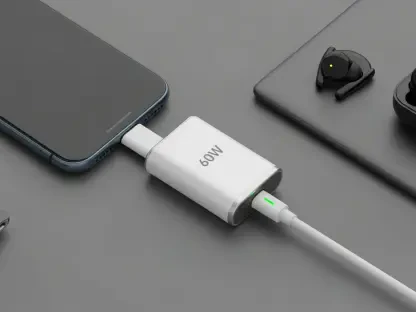
Enterprise-level utility is further enhanced through the inclusion of dual USB-C ports, a feature that permits simultaneous high-speed charging and the connection of specialized peripherals like barcode scanners or diagnostic tools. Security is managed through front-mounted Near Field Communication sensors, which facilitate secure data capture and strict access control for personnel operating in sensitive environments. Lenovo executives have emphasized that the tablet is prepared for the next wave of industrial intelligence, describing it as an AI-ready platform designed to handle local processing tasks as businesses transition toward automated workflows. With a starting price point of €499, the device represents a competitive entry into the premium rugged market, offering a blend of repairability and technical longevity that appeals to procurement officers looking for sustainable investments. While current availability is centered on European markets, the global industrial sector is watching closely to see how this emphasis on practical utility.
Future Considerations for Industrial Mobility
Sustainable Power Management Systems
The introduction of such specialized hardware suggested a significant shift in how enterprises evaluated mobile technology for their most demanding roles. Decision-makers were encouraged to look beyond initial purchase prices and instead analyze the long-term benefits of modularity and environmental resilience. By adopting platforms that supported battery-less operation and high-durability standards, organizations successfully minimized the hidden costs associated with equipment failure and operational downtime. Moving forward, the focus remained on integrating these rugged tools into broader artificial intelligence frameworks to enhance on-site decision-making. Companies that prioritized these durable investments found themselves better equipped to handle the unpredictable nature of field work. It became clear that the path to operational efficiency required a commitment to hardware that was purposely built for the environment in which it functioned.
Strategic Implementation and Operational Longevity
Industry leaders focused on training personnel to leverage the full potential of these devices, moving away from simple data entry toward complex on-site analytics. The ability to repair and swap components in the field became a cornerstone of fleet management, reducing the environmental impact of electronic waste. As businesses looked toward the horizon from 2026 to 2030, the emphasis transitioned toward creating seamless ecosystems where rugged tablets acted as central hubs for various industrial IoT sensors. Organizations were urged to pilot these devices in their most challenging environments first to gather data on durability and worker satisfaction. This proactive approach allowed for more informed procurement strategies that favored longevity over short-term savings. Ultimately, the successful deployment of these systems rested on the ability of the workforce to adapt to more capable, resilient tools that bridged the gap between the digital office and the physical job site.