
Meta is banking on a steady stream of high-quality content from partners like ESPN to ensure the device remains a daily habit rather than a temporary gimmick. This strategic pivot signals a move away from the massive, face-mounted computers of the previous generation and toward a future where spatial computing is as unobtrusive as a pair of designer glasses. Scheduled for a market debut in the spring of 2027, the high-end glasses arrive with a premium price of $1,299, positioning them as a luxury choice for early adopters and professionals alike. By integrating high-resolution optics into a frame that weighs roughly 100 grams, the company is attempting to solve the comfort issues that have historically plagued virtual reality adoption. This initiative represents more than just a hardware update; it is a fundamental bet on a new lifestyle where digital workspaces and front-row entertainment venues are accessible anytime, provided the wearer is willing to embrace a certain level of social seclusion for the sake of unparalleled visual fidelity.
Engineering Precision: The Compute Puck and High-Resolution Visuals
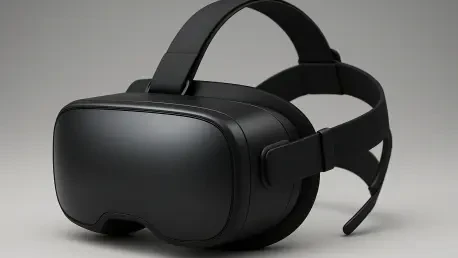
Achieving a form factor that consumers might actually wear for extended periods required a radical departure from integrated hardware designs seen in the Quest series. To keep the glasses lightweight and slim, Meta engineers relocated the most cumbersome elements—the high-capacity battery, the primary logic board, and the cooling systems—to a dedicated wired compute puck. This small, external unit is designed to fit comfortably in a pocket or clip onto a belt, connecting to the eyewear via a thin, high-bandwidth cable. By offloading this mass, the glasses themselves achieve a weight of roughly 100 grams, making them significantly more ergonomic than any prior high-fidelity VR solution. This design allows for the inclusion of a 5K display, which provides a level of pixel density and sharpness that effectively eliminates the screen-door effect. Such visual clarity is essential for reading fine text in a virtual office or observing the subtle movements of an athlete during a high-stakes match.
Interaction with this digital layer is governed by a combination of sophisticated hand-tracking and eye-tracking sensors embedded within the frame. Users navigate menus and select items simply by looking at them and performing subtle pinch gestures, a method that feels far more natural than using handheld controllers. However, the reliance on constant gaze monitoring introduces a complex layer of psychological and ethical friction that the company must navigate carefully. History has shown that consumers are increasingly wary of how their biometric data is handled, and the idea of a corporation tracking exactly where a user’s eyes rest at every moment could be a significant deterrent. While the eye-tracking system is undeniably responsive and enhances the sense of immersion, it also serves as a persistent reminder of the device’s data-gathering capabilities. Balancing this technological convenience with the need for robust privacy protections will be a critical factor in determining if the hardware achieves widespread acceptance.
Strategic Ecosystems: Premium Content and Professional Productivity
The hardware is only as compelling as the experiences it facilitates, and Meta is aggressively courting major media entities to fill its library with exclusive high-value content. Through a high-profile partnership with ESPN, the glasses will deliver 8K sports footage specifically optimized for the device’s 5K display, allowing fans to experience NBA games or college football from a perspective that rivals a courtside seat. This democratization of elite viewing experiences is a central pillar of the marketing strategy, aiming to provide value that exceeds the physical cost of attendance. Furthermore, a collaboration with Lionsgate is set to bring major cinematic releases, such as the upcoming film Hunger Games: Sunrise on the Reaping, into a virtual theater environment that mimics the scale of an IMAX screen. By offering immersive concert tours from global stars like Billie Eilish, complete with spatial audio that tracks the user’s head movements, the platform seeks to create an “Avatar moment”—a visual and auditory spectacle so profound that it makes the $1,299 investment seem like a bargain.
Beyond the realm of leisure, the glasses are engineered to serve as a robust replacement for traditional multi-monitor desktop setups, catering to the growing demographic of hybrid and remote professionals. A standout feature in this regard is the Surface Keyboard technology, which utilizes the device’s external sensors to project a virtual, tactile-responsive keyboard onto any flat surface, such as an airplane tray or a conference table. This innovation effectively solves the ergonomic fatigue associated with “air-typing” in spatial computing, allowing for sustained periods of productivity without physical discomfort. When paired with physical peripherals like a Bluetooth trackpad or a laptop, the glasses can manifest three high-resolution virtual monitors that float in the user’s field of vision. This capability transforms any environment into a private, high-powered workstation, providing a level of mobility that traditional laptops cannot match. For the professional traveler, the ability to maintain a full office setup within a pair of glasses represents a significant shift in how work is conceptualized.
Navigating the Social Paradox: Immersion versus Human Connection
While the technical achievements of the 5K display are undeniable, the device inadvertently highlights a growing tension between individual immersion and communal connection. Traditional entertainment, whether it involves attending a live game at a stadium or gathering around a television for a movie night, is inherently rooted in shared human presence and collective emotional response. In contrast, Meta’s VR glasses offer a solitary experience that effectively severs the wearer’s connection to their immediate physical surroundings during use. This shift replaces the messy, vibrant energy of a crowd with a sanitized, high-definition digital simulation that can only be seen by one person at a time. Critics argue that as these “better-than-life” experiences become more accessible, the value of physical proximity may diminish, potentially widening the gap between digital and physical social interactions. The challenge for the developer is to find a way to make virtual reality feel like a bridge to others rather than a barrier that locks the user inside a high-tech cocoon of solitude.
The development of high-end wearables eventually invited comparisons to the 3D TV boom of the early 2010s, which served as a cautionary tale for the industry. While initial excitement for immersive home entertainment was high, those technologies failed because they lacked long-term utility and relied on inconvenient eyewear that hindered social bonding. To mitigate such risks, the strategy emphasized functional productivity tools and high-fidelity work use cases that extended the device’s value beyond simple entertainment. The 2027 launch was meticulously planned to evaluate if a premium price point and advanced gaze tracking could overcome the significant social hurdles inherent in virtual reality. Decisions made during the design phase focused on creating a seamless integration between the digital and physical worlds to ensure the hardware felt like a legitimate evolution of the workstation. Ultimately, the market analyzed how users balanced the luxury of a private virtual theater with the fundamental human need for unmediated connection, signaling a new era for spatial computing.