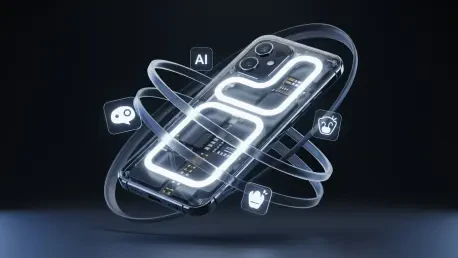

The launch of the Nothing Phone (4a) and its Pro counterpart represents a significant shift for the London-based tech firm, as it moves from focusing primarily on hardware aesthetics to becoming a software powerhouse. By integrating Android 16 capabilities with a proprietary visual language, the company ensures its mid-range devices punch well above their weight class. This update highlights how the brand uses artificial intelligence and unique lighting interfaces to rethink the modern smartphone experience.
Bridging Software Innovation and Signature Hardware in the Nothing Ecosystem
Tech enthusiasts and industry analysts view this rollout as a strategic move to democratize flagship-tier features. By bringing advanced computational tools to a more accessible price point, the brand challenges the notion that premium software must be tied to the most expensive silicon. This ecosystem growth suggests that the value of a device is increasingly defined by its long-term support and the intelligence of its operating system.
Moreover, the integration of these features reflects a broader industry trend toward blending physical design with digital utility. Instead of treating the hardware and software as separate entities, the brand has created a symbiotic relationship where one enhances the other. This approach helps the 4a series stand out in a crowded market where many competitors rely on generic software skins that offer little functional differentiation.
Deconstructing the New Functional Identity of the 4a Series
The AI Eraser Debut: Bringing Computational Magic to the Gallery
Nothing’s entry into on-device generative AI allows users to remove photobombers and distractions with a single tap, a capability once exclusive to high-end flagships. The inclusion of both automatic detection and a manual selection tool provides a balance of speed and granular control for complex backgrounds. Critics have noted that while the tool is powerful, the real test lies in whether mid-range processors can handle these tasks without draining the battery or causing significant lag.
Despite these concerns, early feedback suggests the algorithm is remarkably efficient at filling vacated pixels. By simplifying the editing process, the company empowers casual photographers to achieve professional-looking results without needing complex third-party software. This move signals a shift where mobile photography is less about raw sensor size and more about the clever application of machine learning.
Synchronizing Real-Time Progress Through the Live Glyph Interface
The signature LED Glyph Bar has transitioned from a simple notification light into a functional dashboard that mirrors the real-time data flow of Android 16. By displaying progress bars for ride-sharing or delivery services directly on the rear of the device, Nothing minimizes screen time and reduces digital distractions. Experts suggest this move toward “glanceable” information could fundamentally change how users interact with their devices throughout the day.
Furthermore, this ambient interface allows users to stay informed without being sucked into the endless scroll of social media or emails. When the phone is face down, the light patterns provide a subtle yet effective way to track timers or incoming alerts. This design choice prioritizes human attention, suggesting that the future of mobile tech is about being present in the physical world rather than being tethered to a glowing display.
Beyond Aesthetics: Deep Personalization and Android 16 Integration
Drawing inspiration from the upcoming Phone (3), the 4a series introduces a custom lock screen and proprietary typography that strengthens the brand’s visual identity. The addition of Depth Effect options and refined wake-up animations provides a level of customization that feels native to the hardware. These flourishes prove that mid-range users do not have to settle for a stripped-down experience, as the software feels as premium as any flagship.
The integration with Android 16 also ensures that the device remains relevant for years to come. By aligning closely with Google’s latest architecture, the company provides a smoother, more secure environment for its users. This focus on deep-level integration helps prevent the performance degradation often seen in devices with heavy, poorly optimized overlays.
The Relaxation Hub and the Strategic Importance of Digital Wellness
The introduction of the Relaxation Hub, featuring Breathing Break widgets and haptic-guided mindfulness modes, marks a unique pivot toward user health. By using specialized vibration patterns to guide breathing exercises, the device transforms from a source of constant pings into a tool for mental clarity. This direction suggests that hardware updates will eventually focus less on raw specs and more on psychological well-being.
Industry watchers believe this focus on wellness is a response to growing concerns about smartphone addiction. By embedding these tools directly into the OS, the brand makes self-care a seamless part of the user experience. Whether it is through Focus or Calm modes, the goal is to create a device that supports the user’s lifestyle rather than dictating it.
Best Practices for Navigating the New Nothing OS Features
To maximize the effectiveness of the AI Eraser, users should prioritize photos with high-contrast backgrounds, which allows the algorithm to blend textures more naturally. Additionally, configuring “Essential Apps” within the Glyph settings is a tactical way to filter out noise, ensuring only the most critical updates trigger the rear LEDs. This selective approach keeps the interface clean and ensures that the lights remain a useful tool rather than a distraction.
For those exploring the Relaxation Hub, placing the Breathing Break widgets on the main home screen serves as a constant reminder to take a moment for mindfulness. Integrating these tools into a daily routine can significantly reduce the stress associated with high-pressure work environments. By customizing the haptic intensity, users can also tailor the experience to their personal comfort levels.
Redefining the Value Proposition of Nothing’s Hardware Lineup
The rollout of these AI-driven tools and live interaction features on the Phone (4a) reinforced the brand’s commitment to democratizing technology. By promising that these updates would eventually reach older hardware, the company built significant brand loyalty and challenged the industry trend of planned obsolescence. This strategy positioned the device as a long-term investment rather than a disposable gadget.
As the Pro model reached retail shelves, the software enhancements became the primary reason for consumers to choose the brand over more established competitors. The combination of distinctive character and cutting-edge utility offered a compelling alternative in a stagnant market. Looking forward, the success of this update provided a blueprint for how mid-range devices could continue to evolve through intelligent software refinement and community-driven design.