
The boundary between professional cinematography and pocket-sized mobility has finally dissolved into a singular glass lens. With the official confirmation of the Find X9 Ultra, Oppo is betting that its latest flagship will do just that, pushing the boundaries of what optical hardware can achieve in a handheld form factor. As the April 21 global launch approaches, the tech world is shifting its gaze toward a device that promises to redefine light sensitivity and zoom precision.
The High Stakes: Why This Flagship Matters
In an environment where software-driven computational photography often takes center stage, Oppo is doubling down on massive physical sensors to gain a competitive edge. This launch matters because it addresses the growing demand for authentic image quality over artificial enhancement, placing the Find X9 Ultra at the heart of a trend where mobile devices are expected to perform in challenging, low-light environments previously reserved for high-end specialized equipment.
A Deep Dive: The Quad-Camera Architecture
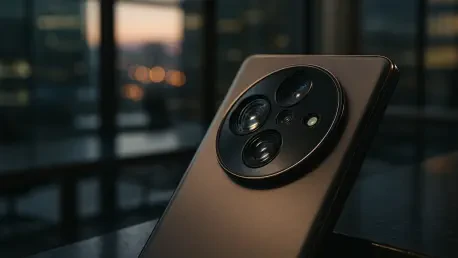
The Find X9 Ultra centers its photographic identity on a massive 200MP primary sensor measuring nearly 1 inch, engineered to pull in 10% more light than the previous generation. To provide versatility, the device utilizes a dual-periscope system: a 200MP lens for 3x optical magnification and a 50MP lens capable of 10x optical zoom. This array is supported by a 50MP ultrawide lens and a 3.2MP true color sensor designed specifically to calibrate color accuracy and light sensitivity, ensuring that every frame remains faithful to real-life conditions.
Beyond the Lens: Performance and Design Synergy
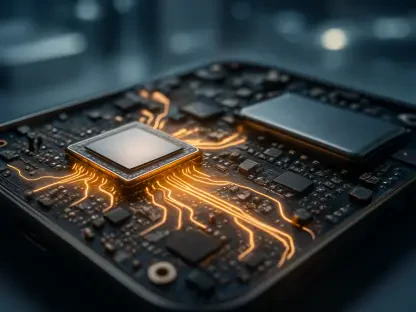
Recent China Telecom listings shed light on the powerhouse internals supporting these high-resolution sensors, most notably the integration of the Snapdragon 8 Elite Gen 5 processor and up to 16GB of RAM. While the camera module is physically substantial to accommodate the periscope glass, it is balanced by a 6.78-inch high-resolution display and functional design cues like a dedicated physical camera button. Available in nature-inspired finishes such as Polar Glacier and Tundra, the device blended raw processing power with an aesthetic that reflected its premium positioning.
Maximizing the Experience: Professional Mobile Workflow
For photography enthusiasts looking to leverage this hardware, the Find X9 Ultra introduced a quick shortcut toggle for rapid mode switching, allowing users to move between the 50MP selfie camera—which boasted 56% better light intake—and the rear telephoto lenses instantly. To get the most out of the high-resolution screen, users explored the device’s native color calibration settings, which worked in tandem with the dedicated color sensor to produce professional-grade prints directly from mobile files. This integration paved the way for a future where mobile creators bypassed traditional editing workstations entirely.