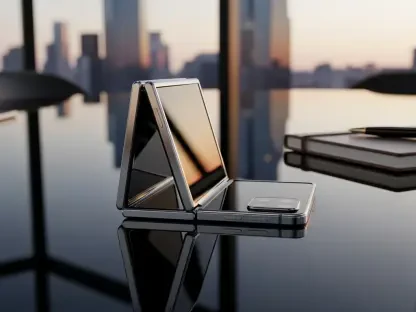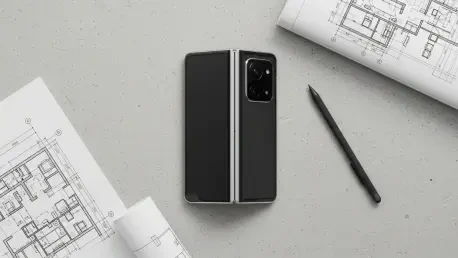

The persistent challenge of creating a foldable device that matches the ruggedness of a traditional smartphone has finally met its match in the recently unveiled Oppo Find N6. For years, consumers hesitated to adopt flexible displays due to concerns over hinge longevity and the tactile distraction of a visible screen crease. However, the industry is witnessing a paradigm shift where durability is no longer a compromise but a primary selling point. This new flagship represents a departure from experimental engineering, offering a mature solution that addresses environmental resistance and mechanical reliability with unprecedented precision. By integrating advanced materials and innovative manufacturing techniques, the Find N6 establishes a benchmark that forces the competition to reconsider their design priorities. It is not merely a gadget for early adopters anymore; it is a high-performance tool built to withstand the rigors of professional use while maintaining the aesthetic elegance expected from a premium mobile device.
Precision Engineering: The Zero-Feel Crease Solution
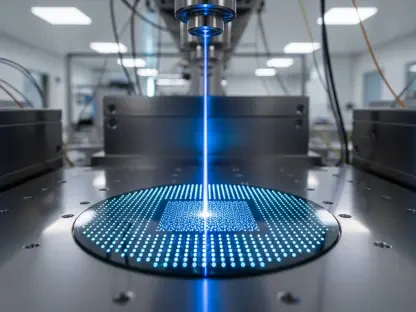
To achieve a truly seamless visual experience, the engineering team utilized a sophisticated 3D liquid printing process combined with UV-cured polymer droplets. This method allows for the smoothing of the hinge surface at a microscopic precision of 0.3 micrometers, effectively eliminating the physical sensation of the fold. When the device is opened, the internal mechanics work in tandem with the auto-smoothing Flex Glass to ensure the panel remains perfectly flat. This “spring back” capability ensures that the display does not lose its tension over time, a common failure point in earlier generations of folding hardware. By prioritizing the haptic quality of the screen, the device successfully bridges the gap between the portability of a foldable and the uninterrupted surface of a standard glass slab. Such meticulous attention to detail highlights a broader trend toward perfecting the user interface through material science rather than just software optimization.
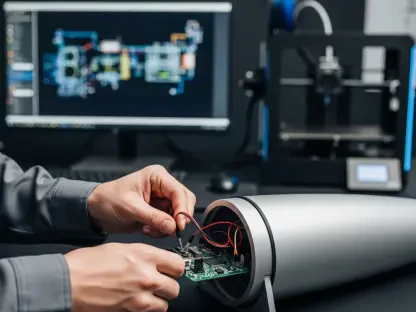
Beyond the display surface, the structural foundation relies on a second-generation Titanium Flexion hinge that has been laboratory certified for a lifespan of up to one million folds. This level of endurance is significantly higher than previous industry standards, suggesting that the mechanical components will likely outlast the functional utility of the software. Furthermore, the inclusion of a comprehensive IP56, IP58, and IP59 rating provides a level of protection against dust and high-pressure water jets that was previously thought unattainable for moving parts. This robust environmental resistance means the phone can operate reliably in various climates and conditions, from humid environments to dusty worksites. The shift toward such extreme durability metrics indicates that manufacturers are finally treating foldables as primary devices capable of handling the same stresses as any other flagship on the market. These improvements ensure the hardware remains viable for years.
Computational Power: Silicon-Carbon Battery and Performance
Under the hood, the device utilizes the Snapdragon Elite 8 Gen 5 chipset, which provides the necessary computational overhead to manage complex multitasking across the expansive interior display. This processor is paired with 16GB of LPDDR5X RAM and up to 1TB of UFS 4.1 storage, ensuring that data throughput remains consistent even during intensive workloads like high-resolution video editing. The thermal management system has also been redesigned to dissipate heat away from the hinge area, preventing the localized hotspots that could theoretically degrade the flexible OLED panel over long-term use. By selecting top-tier internal components, the hardware ensures that the user experience remains fluid, matching the high refresh rates of the 120Hz LTPO panels. This synergy between raw processing power and sophisticated display technology allows the device to function as a legitimate replacement for both a phone and a tablet, catering to the needs of modern power users.
In conclusion, the development of the Find N6 established a clear roadmap for the future of mobile productivity by resolving the fundamental conflicts between flexibility and resilience. Engineers proved that high-precision manufacturing could eliminate the visual artifacts of folding screens while simultaneously enhancing the structural integrity of the entire assembly. For prospective buyers, the focus shifted from questioning the longevity of the device to determining how best to utilize the extra screen real estate for professional gains. Moving forward, the industry must adopt these silicon-carbon battery standards and high-precision hinge designs to remain relevant in an increasingly demanding market. Investors and developers should prioritize ecosystem support for larger displays, as the hardware now finally possesses the reliability to support long-term professional workflows. This transition marked the moment when foldable technology moved from an experimental concept to a standard configuration.