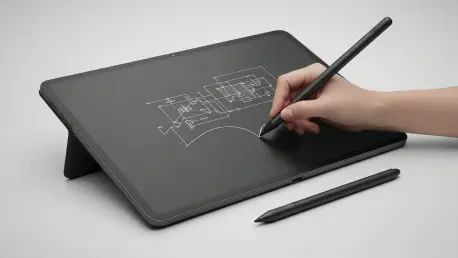

The persistent battle against distracting screen glare, a common frustration for tablet users working in bright environments, may have just found its champion in a new device that prioritizes readability above all else. Oppo has officially entered the market with its Pad 5, an Android tablet distinguished by a specialized matte display engineered to mimic the look and feel of paper. This device signals a deliberate move away from the high-gloss screens that have dominated the industry, focusing instead on user comfort and practical usability.
A New Front in the War Against Screen Glare
For years, the tablet experience has been a trade-off between vibrant colors and the frustrating reflections that render screens nearly unusable outdoors or under direct office lighting. The Oppo Pad 5 directly confronts this issue with its primary feature: a 12.1-inch IPS LCD panel with a matte finish. This screen is not merely a filter but a core design choice, achieving a remarkable 97% reduction in reflections. This makes the device significantly more versatile than many laptops for users who frequently move between different lighting conditions.
While the deep blacks and high contrast of an OLED panel are sacrificed, the gain in everyday usability is substantial. The display features a sharp 2,800×1,980 resolution and a 120Hz adaptive refresh rate, ensuring that motion remains smooth whether scrolling through documents or streaming media. By prioritizing glare elimination, Oppo is betting that for many users, clarity in any environment outweighs the punchiness of a traditional glossy screen.
Shifting Tablet Design Beyond Mere Gloss
The introduction of the Pad 5 reflects a broader evolution in the tablet market. Initially conceived as media consumption devices, tablets are increasingly relied upon as productivity tools for students and professionals. This shift in purpose necessitates a change in design philosophy. A screen that excels in a dark room for watching movies may not be practical for taking notes in a brightly lit lecture hall or reviewing documents on the go.
Oppo’s focus on a “paper-like” experience caters directly to this growing demand for functional, all-purpose devices. The tactile feedback of the matte screen, especially when paired with a stylus, is designed for long sessions of writing and reading without the eye strain associated with glossy, reflective surfaces. This design choice represents a commitment to user-centric features that enhance productivity rather than just entertainment.
A Detailed Breakdown of the New Contender
Beyond its innovative display, the Oppo Pad 5 is equipped with a balanced set of internal components engineered for sustained performance. The device is powered by a 4nm Dimensity 7300-Ultra chipset, coupled with 8GB of RAM, providing sufficient power for multitasking and demanding applications. This focus on longevity is further supported by a substantial 10,050mAh battery, which is paired with 33W charging to minimize downtime.
Enhancing its role as a digital notepad is the optional Oppo Pencil 2R. The stylus is designed to work in synergy with the matte screen, creating a tactile friction that closely simulates writing on paper. This experience is augmented by intelligent software, including an AI Summary tool for condensing notes and real-time handwriting recognition that can neaten messy script as it is written. To meet diverse user requirements, the tablet is available in both Wi-Fi and 5G models, with storage options of 128GB or 256GB.
What Third-Party Validation Signifies
Oppo has sought independent verification to substantiate its claims about the Pad 5’s user-centric design. The display has earned a TÜV Rheinland Eye Comfort certification, which validates its effectiveness in reducing harmful blue light by 70% and confirms the 97% reduction in screen reflections. This certification provides consumers with a trusted measure of the screen’s “paper-like” qualities and its benefits for visual health during extended use.
Furthermore, the tablet’s long-term performance has been assessed by TÜV SÜD, which awarded it a “48-Month Fluency Protection” certification. This expert guarantee assures users that the device will maintain smooth and responsive operation for a minimum of four years, addressing common concerns about the degradation of performance over time in Android devices. These certifications lend significant credibility to Oppo’s engineering and design choices.
Deciding If the Pad 5 Fits Your Lifestyle
The ideal user for the Oppo Pad 5 is someone who values utility and comfort over sheer visual spectacle. For students and avid note-takers, the combination of the matte screen and the AI-powered Pencil 2R offers a superior writing and studying experience. Similarly, mobile professionals who frequently work in brightly lit offices or outdoors will find the anti-glare display to be a game-changer for productivity. For media consumers and gamers, the decision is more nuanced. While the large, reflection-free screen and long-lasting battery are clear benefits, those who prioritize the deep contrast and vibrant colors of OLED for cinematic viewing will have to weigh that against the Pad 5’s practical advantages.