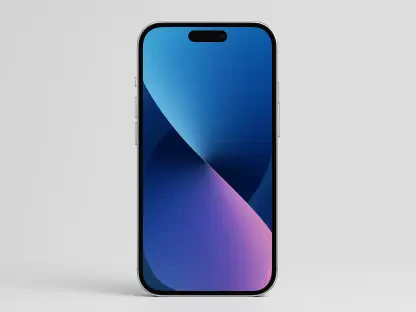

The unprecedented speed at which manufacturers are currently slashing prices on premium hardware suggests that the traditional smartphone lifecycle has fundamentally shifted toward a consumer-centric model. Retailers are no longer waiting for the holiday season to introduce significant discounts or bundled incentives for the latest mobile technology.
This shift indicates a hyper-competitive environment where immediate price flexibility is the primary driver for early adoption. Companies are prioritizing market share over initial profit margins to secure a user base in a saturated technological landscape.
Objective of the Review
This analysis aims to dissect the current mobile offerings to identify which devices offer the most significant technological leap for the investment. It examines whether the aggressive promotional strategies truly benefit the end user.
The focus remains on separating marketing hype from actual utility. By scrutinizing the latest releases, this review provides a clear picture of the current hardware standards.
Determining Investment Worthiness
Evaluating a flagship purchase now requires looking beyond the sticker price toward long-term ecosystem value. Incentives like complimentary high-end earbuds or significant voucher discounts are redefining what constitutes a fair deal.
A device is deemed worthy if its performance metrics justify the cost after factoring in these immediate retail adjustments. The goal is to find the intersection of cutting-edge tech and fiscal responsibility.
Addressing Evolving Consumer Needs
Modern users demand a specific balance between aesthetic minimalism and heavy-duty performance capabilities. Manufacturers are responding by splitting their lineups into distinct categories that cater to either style or raw power.
This diversification ensures that the market serves both professional creators and casual users with equal precision. Understanding these trends is essential for making an informed purchase.
Overview of the 2025 Smartphone Landscape
The current market is characterized by a rapid integration of high-capacity hardware across all price brackets. Innovations that were once exclusive to premium models are now appearing in mid-range devices to entice a broader audience.
Technological boundaries are blurring as brands push for massive battery sizes and sophisticated sensor arrays. This evolution forces every player to innovate or risk total irrelevance.
Core Features and Technical Innovations
Cutting-edge sensors and high-frequency displays have become the baseline for any credible flagship release. The integration of 200MP periscope lenses and 1-inch-type primary sensors represents a massive leap in mobile photography.
Furthermore, advancements in chipset efficiency allow for thinner designs without sacrificing essential computing power. These technical milestones define the modern mobile experience.
Functionality and Unique Selling Points
Each brand is carving out a niche, from built-in styluses for productivity to specialized ultra-slim profiles for fashion-conscious buyers. These unique features serve as the primary differentiators in a crowded retail space.
Bundled offers and integrated ecosystem perks further enhance the functional value of these handsets. Such selling points are now as critical as the internal hardware itself.
The “Thin-and-Light” vs. “High-Utility” Design Split
A clear divide has emerged between devices prioritizing ultra-slim aesthetics and those housing massive batteries. Some manufacturers are targeting a 5.6mm thickness, while others opt for 8,500mAh power cells.
This split allows consumers to choose based on their daily lifestyle requirements. Whether one values portability or longevity, the 2025 market provides a dedicated solution.
Evaluation of Performance and Real-World Usage
Real-world performance is no longer just about benchmarks but how hardware handles complex multitasking and AI-driven processes. The latest chipsets manage heat and energy with impressive sophistication under heavy loads.
Users can expect a seamless interface regardless of the underlying architecture. This reliability is the hallmark of the current generation of mobile devices.
Processing Power: Snapdragon 8 Elite Gen 5 vs. Exynos 2600
The rivalry between these two chipsets continues to push the limits of mobile processing. While one focuses on peak graphical performance, the other emphasizes balanced efficiency and integrated AI tasks.
Both architectures deliver enough power to handle any modern application without lag. The choice often comes down to specific software optimization rather than raw speed.
Battery Longevity and Charging Efficiency
Battery capacities have reached unprecedented levels, with some models offering enough juice for multiple days of heavy use. Fast-charging protocols are also becoming more standardized across the industry.
This focus on power ensures that the “low battery” anxiety of previous years is effectively mitigated. Efficiency gains in display technology further extend these impressive runtimes.
Camera Capabilities and Imaging Breakthroughs
Mobile photography has reached a point where it rivals dedicated professional equipment in specific scenarios. Massive sensors and advanced zoom lenses allow for incredible detail and low-light performance.
Computational photography continues to bridge the gap between small mobile lenses and large glass optics. These breakthroughs make high-quality content creation accessible to everyone.
Display Quality and User Interface Experience
High-refresh-rate AMOLED panels are now standard, providing vibrant colors and fluid motion for all interactions. The user interfaces have also become more intuitive, stripping away clutter for a cleaner look.
Software and hardware synergy is at an all-time high, resulting in a responsive feel. Every tap and swipe feels instantaneous on these modern displays.
Comparative Advantages and Disadvantages
Every device carries a set of trade-offs that buyers must weigh carefully before committing. While some excel in pure utility, they may lack the refined aesthetics of their slimmer competitors.
Conversely, the most beautiful phones often sacrifice battery capacity or thermal management. Identifying these pros and cons is vital for long-term satisfaction.
Key Strengths of the 2025 Lineup
The primary strength of the current generation lies in the incredible value provided through early discounts and bundles. High-end features like periscope zooms and massive batteries are more accessible than ever.
Additionally, build quality across the board has seen a significant improvement. Even mid-range models now feel like premium tools in the hand.
Potential Limitations and Market Weaknesses
One notable weakness is the potential for rapid obsolescence due to the fast pace of innovation. Some users might also find the sheer size of high-utility phones to be cumbersome.
The complexity of choosing between various chipsets and specialized models can be overwhelming. This fragmentation sometimes confuses the average consumer.
Suitability for Diverse Use Cases
Photography enthusiasts will gravitate toward the Ultra models, while business professionals may prefer devices with integrated styluses. There is a specific tool for every type of mobile user.
Casual users benefit from the trickle-down of tech into more affordable, yet highly capable, mid-range options. This diversity is the market’s greatest asset.
Final Assessment and Recommendation
The 2025 flagship lineup offers a robust selection of devices that cater to every possible preference. The aggressive pricing trends make this an ideal time to upgrade from older hardware.
Most users will find that the middle ground offers the best balance of features and cost. However, the premium tier remains the gold standard for enthusiasts.
Summary of Findings
The research indicated that manufacturers used aggressive discounting to maintain momentum in a crowded market. It was observed that the split between slim designs and high-utility hardware allowed for better consumer targeting.
Technical innovations in camera sensors and battery capacity provided a tangible benefit over previous generations. The overall market health appeared strong due to this constant competition.
Comparative Value Analysis
Data showed that bundled incentives often provided better overall value than simple price cuts. Comparing the cost of a flagship to its mid-range counterparts revealed a narrowing gap in performance.
The Ultra models justified their higher price points through exclusive hardware features like the Snapdragon 8 Elite. Meanwhile, mid-range phones offered the best “bang for the buck” for everyday tasks.
Final Product Recommendations
For those seeking the ultimate camera experience, the Xiaomi 17 Ultra stood out as the primary choice. Users prioritizing aesthetics and slim profiles were best served by the iPhone Air.
The Samsung Galaxy S26 series represented the most balanced option for general productivity and longevity. Each recommendation addressed a specific pillar of modern mobile usage.
Concluding Opinion and Buyer’s Guide
Early adopters should look for retailers offering bundled accessories to maximize their initial investment. It was clear that waiting even a few weeks after launch resulted in better financial terms for the consumer.
Checking for voucher codes and trade-in deals became a standard part of the purchasing process. These strategies ensured that the latest technology remained accessible to a wider audience.
Who Should Buy the 2025 Flagships?
Professional creators and tech enthusiasts who required the latest imaging and processing power found these devices essential. The jump in battery life also made them attractive to long-distance travelers.
Anyone holding a device more than three years old saw a massive improvement in daily performance. The 2025 generation proved to be a significant milestone in mobile evolution.
Pre-Purchase Considerations and Market Trends
Prospective buyers investigated the specific chipset variants to ensure they received the performance level they expected. The trend toward larger batteries suggested that physical size would continue to be a deciding factor.
Monitoring retail patterns showed that the most significant savings occurred within the first month of release. Staying informed on these trends helped users secure the best hardware at the lowest possible price.