
The transition from bulky dedicated cinema equipment to pocketable high-performance glass has reached a pivotal moment with the international arrival of the latest flagship. This device represents more than a simple hardware update; it signals a fundamental shift in how professionals perceive mobile optics.
Bridging the Gap Between Smartphones and Cinema Cameras
Advancements in sensor technology allow for a level of depth and dynamic range previously reserved for expensive rigs. The integration of high-end glass ensures that light is captured with minimal distortion.
Computational photography further enhances this effect by mimicking natural bokeh. As a result, the boundary between professional sets and mobile shooting continues to blur significantly.
Assessing the Value Proposition for Professional Creators
For independent filmmakers, the cost-to-performance ratio provides an attractive alternative to traditional setups. The ability to shoot and edit from a single unit streamlines the entire creative workflow.
This portability does not sacrifice quality, making it a viable tool for documentary work. It offers a level of flexibility that larger cameras simply cannot match in the field.
Technical Profile and Key Innovations of the X300 Ultra
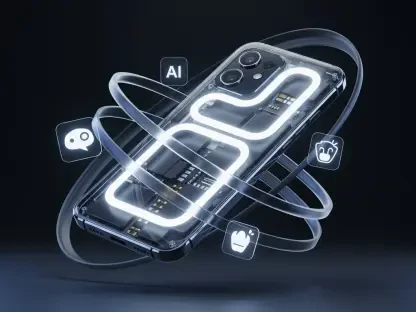
The internal architecture reveals a focus on sustained high-resolution processing. Specialized chips handle the heavy lifting required for intensive video tasks.
A Breakthrough in Professional Video Standards
Adopting industry-standard formats allows this device to fit into existing post-production pipelines. It addresses the common complaints regarding mobile video compression.
4K 120fps and 10-bit Log Capabilities Across All Lenses
Each rear camera provides the same high-resolution 4K output at 120 frames per second. This consistency is vital for multi-camera shoots where color matching is essential.
Recording in 10-bit Log provides the necessary overhead for professional color grading. This feature preserves details in both shadows and highlights effectively.
Advanced Full-Range 3° Optical Image Stabilization (OIS)
The stabilization system compensates for significant movement, allowing for smooth handheld shots. It effectively replaces the need for external gimbals in many scenarios.
Precision engineering ensures that the OIS remains responsive even during rapid panning. This hardware-level stability creates a polished, cinematic look without digital artifacts.
The Software Suite: Master Color Video and Pro Interfaces
Software enhancements provide granular control over the final image. The interface mimics professional cinema cameras, making the transition seamless for experienced users.
Users can apply custom 3D LUTs during live monitoring. This capability ensures that the captured footage aligns with the intended creative vision from the start.
Specialized Hardware and the Professional Accessory Ecosystem
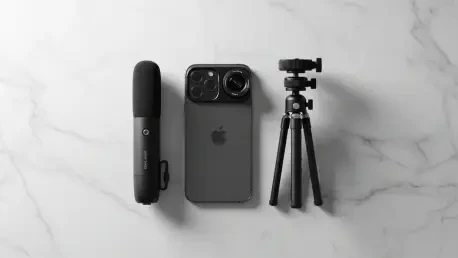
The physical design supports a range of external tools, from cooling fans to specialized grips. These additions transform the handset into a comprehensive production rig.
External lens expansion frames allow for even greater optical versatility. This modular approach caters to the specific needs of different filming environments.
Real-World Performance Assessment
Testing in various lighting conditions confirms that the hardware lives up to the marketing. The device handles complex scenes with remarkable ease and clarity.
Cinematic Visual Fidelity and Color Science Accuracy
Colors appear natural and well-saturated without the over-processed look common in mobile devices. Skin tones are rendered with a pleasing accuracy that rivals professional sensors.
The dynamic range stays consistent across different focal lengths. This reliability is crucial for creators who need dependable results in unpredictable lighting.
Audio Capture Quality and Quad-Mic Ambient Noise Management
The quad-mic system captures immersive audio while isolating the primary subject. This technology reduces the reliance on external microphones for quick interviews.
Wind noise and background chatter are suppressed through intelligent filtering. The result is a clean audio track that requires minimal cleaning in post-production.
Ergonomics and Thermal Efficiency During Intensive Shoots
Heat management remains impressive even during extended 4K recording sessions. The internal cooling system prevents throttling, ensuring consistent frame rates throughout.
The physical balance of the device makes it comfortable for long periods of use. Tactile feedback during recording adds a layer of confidence for the operator.
Examining the Strengths and Weaknesses
Every flagship has its trade-offs, and this model is no exception. Understanding these nuances is essential for any potential buyer.
Major Advantages for High-End Production and Content Creation
The primary strength lies in the unified video experience across all lenses. Few competitors offer the same level of technical parity in their secondary cameras.
Battery life also proves resilient under heavy video loads. This endurance allows creators to focus on the shot rather than the power percentage.
Practical Limitations and Potential Global Market Barriers
While the hardware is top-tier, the software ecosystem may feel unfamiliar to some. The learning curve for the advanced video modes is somewhat steep.
Market availability and regional pricing could also influence the overall adoption rate. Some users might find the sheer number of accessories overwhelming at first.
Comprehensive Assessment and Final Recommendation
The global debut of the Ultra series marks a milestone for the manufacturer. It successfully positions itself as a serious contender in the professional market.
Summary of the Global Ultra Debut Findings
The device proved to be a powerhouse for mobile videography. The technical innovations were not merely incremental but represented a leap forward in mobile capability.
Final Recommendation Based on Professional Utility
For those who prioritize video quality above all else, this handset became the new benchmark. It offered a level of control that was previously unavailable in the mobile space.
Final Verdict and Consumer Guidance
The technology represents a bridge toward a more mobile future in filmmaking. It simplified complex workflows without compromising the final output quality.
Ideal User Profiles for the X300 Ultra Technology
Professional videographers and social media creators found the most value in these features. The device catered to those who required high-quality assets on the go.
Key Considerations Before Adopting the Vivo Ecosystem
Prospective owners considered the importance of manual controls before making the switch. The investment in the accessory ecosystem also played a significant role in the decision.