
In a smartphone market increasingly defined by subtle evolution rather than dramatic revolution, the Samsung Galaxy S26 series arrives not with a disruptive bang, but with a confident assertion of refined excellence. The Samsung Galaxy S26 series represents a significant advancement in the flagship smartphone sector. This review will explore the evolution of the technology from its predecessor, its key features, performance metrics, and the impact it is poised to have on consumer and professional applications. The purpose of this review is to provide a thorough understanding of the technology, its current capabilities, and its potential future development.
The Next Evolution in Samsung’s Flagship Legacy
The Samsung Galaxy S26 series is built upon a core principle of iterative refinement, a strategy that polishes an already successful formula rather than reinventing it. Based on extensive industry analysis, the key components of the S26 family signal a focus on meaningful, targeted improvements in performance, efficiency, and software intelligence. This approach demonstrates a mature product philosophy aimed at enhancing the user experience in tangible ways.
This evolutionary step is set against the backdrop of a highly competitive technological landscape. Evolving from the well-regarded Galaxy S25, the S26 must not only justify its existence to current users but also stand firm against formidable rivals. Its relevance, therefore, is measured not by headline-grabbing design changes but by its ability to deliver a more seamless, powerful, and intelligent experience that solidifies the Galaxy S line’s premium identity.
A Deep Dive into the Galaxy S26 Features
Design Philosophy Familiarity Meets Refinement
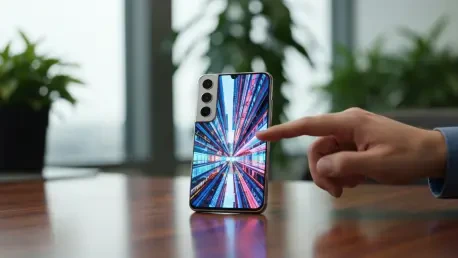
The design ethos of the Galaxy S26 series appears to be one of strategic continuity, retaining the core aesthetic language that defined its predecessor. This decision to maintain the S25’s acclaimed form factor is not a sign of stagnation but a calculated move to reinforce brand consistency and leverage a design already praised for its excellent ergonomics and premium feel. Consumers can expect a device that is instantly recognizable, providing a familiar yet polished physical interaction.
Despite the overarching design continuity, subtle modifications are anticipated to further refine the user experience. Rumors point toward a potential shift away from individual camera lenses to a more integrated and unified camera module, which could offer a sleeker and more cohesive look. Moreover, the introduction of a new, more adventurous color palette, especially for the Ultra model, is expected to inject a dose of freshness and dynamism, appealing to consumers seeking greater personalization.
Performance and Processing Power
Powering the S26 series is a new generation of chipsets, with Samsung potentially returning to its dual-chip strategy. This would see certain markets receiving devices equipped with the in-house Exynos 2600, while regions like the United States would get a customized Snapdragon 8 Elite Gen 5 processor. This split aims to optimize performance and supply chain logistics, with the “for Galaxy” Snapdragon variant expected to deliver significant boosts in raw processing and graphics capabilities to rival its top competitors.
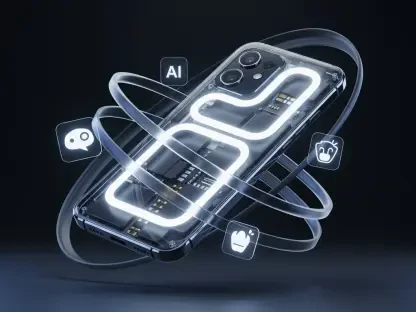
The real-world impact of these advanced processors extends far beyond faster app loading times. The enhanced power is crucial for advancing on-device artificial intelligence, enabling more complex computational tasks to be handled directly on the device for faster and more secure AI features. Furthermore, these new chipsets are expected to incorporate more efficient modems for superior connectivity and are designed with a strong focus on power efficiency, a critical factor that directly contributes to improved battery longevity.
Camera System The AI and Software Edge
Samsung’s strategy for the S26 camera system prioritizes software and AI enhancements over significant hardware overhauls. While early whispers of new sensors have faded, the focus has clearly shifted to leveraging the new chipsets’ processing power to refine the imaging experience. There is no credible indication of a major megapixel increase, suggesting confidence in the already formidable hardware established by the Galaxy S25.
This software-centric approach is a logical evolution. With camera hardware on the S25 series already considered among the best in the industry, the greatest potential for improvement lies in computational photography. Consumers can anticipate more intelligent algorithms, an expanded suite of AI-powered editing features, and further refinements in video capture quality and stability, delivering a more versatile and polished imaging tool without altering the underlying hardware.
Battery Endurance and Charging Technology
The S26 series is rumored to feature modest but meaningful increases in battery capacity, with the base S26 and top-tier S26 Ultra models potentially seeing boosts of 300mAh and 200mAh, respectively. While these figures are not substantial on their own, they are expected to yield a noticeable improvement in real-world endurance when paired with the efficiency gains from the next-generation chipsets.
In terms of charging, no significant upgrades in speed or technology are expected. Samsung appears to be maintaining its balanced approach, prioritizing long-term battery health and longevity over chasing the highest possible charging wattage. This ensures that the devices can be charged reasonably quickly without compromising the battery’s lifespan, a practical trade-off that many users will appreciate.
Market Launch and Strategic Positioning
Emerging trends suggest a shift in Samsung’s launch timeline, with credible rumors pointing to a later debut for the S26 series in late February. This adjustment, moving away from the January launches of its predecessors, could provide additional development time, potentially resulting in a more polished and refined device at launch and altering the competitive dynamics of the first quarter.
This delayed release is expected to be accompanied by a minor price adjustment, with a modest increase of $30 to $50 anticipated across the lineup. In the context of the current economic climate, this hike is positioned as a palatable, though hardly ideal, adjustment for consumers. This strategic pricing, combined with the later launch, will play a crucial role in shaping consumer behavior and defining the S26’s competitive standing in the premium market.
Real-World Applications and User Experience
The technological advancements within the S26 series translate directly into tangible real-world benefits. The enhanced on-device AI, powered by the new chipsets, will manifest as a more responsive and intelligent user experience, from faster and more accurate digital assistants to smarter, context-aware software features that learn and adapt to user habits.
These enhancements create unique use cases across various sectors. For content creators, the refined camera software and AI-powered editing tools will streamline workflows and unlock new creative possibilities. Mobile gamers will benefit from the superior processing power and graphics performance, enabling smoother gameplay and more immersive experiences. Meanwhile, professionals will find that the enhanced speed and efficiency make the S26 a more capable tool for productivity on the go.
Potential Challenges and Market Competition
Despite its strengths, the S26 series faces several challenges. A key technical hurdle is managing performance and feature parity between the Snapdragon and Exynos chip variants, as ensuring a consistent user experience across all regions is critical for maintaining brand integrity. A failure to do so could lead to consumer dissatisfaction in markets with the perceived lesser chip.
On the market front, the iterative design presents a significant obstacle in convincing existing Galaxy S25 users to upgrade. Without a compelling visual overhaul, the burden of justification falls entirely on the internal improvements. This is compounded by persistent and fierce competition from other flagship manufacturers, who are constantly pushing the envelope and vying for the same segment of premium consumers.
The Future Trajectory of the Galaxy S Line
The Galaxy S26 serves as a clear indicator of the future trajectory for the Galaxy S series. The emphasis on software-centric refinement suggests that Samsung’s long-term strategy is shifting away from a pure hardware arms race and toward deeper integration of advanced, on-device artificial intelligence. Future iterations will likely be defined more by their intelligence and adaptability than by their raw specifications.
This strategic pivot could have a lasting impact on the smartphone industry as a whole. By prioritizing a seamless and intelligent software experience, Samsung may influence competitors to follow suit, accelerating a market-wide trend toward software-driven innovation. The long-term success of this approach will depend on the ability to deliver truly meaningful AI-powered features that enhance daily use in indispensable ways.
Final Verdict and Key Takeaways
The comprehensive analysis of the Samsung Galaxy S26 series revealed it to be a masterclass in calculated refinement. Its development prioritized meaningful software enhancements and substantial performance gains, consciously forgoing a radical redesign in favor of perfecting a proven formula. This approach demonstrated a mature and intelligent evolution of a flagship product line.
The review concluded that while the S26 might not have delivered the revolutionary leap some enthusiasts anticipated, its strategic focus on AI-driven experiences and systemic efficiency positioned it as an exceptionally powerful and compelling choice in the premium smartphone sector. The most critical takeaway was that its ultimate impact would be measured not by its specifications alone, but by how its software-centric philosophy influences user expectations and shapes the future of flagship devices.