
Samsung is reportedly on the verge of introducing a truly revolutionary hardware-based privacy display in its upcoming Galaxy S26 Ultra, a feature with the potential to fundamentally redefine user security on mobile devices. This exciting advancement, however, is shadowed by a significant risk rooted deep within the company’s own history of innovation. The new technology is drawing uneasy comparisons to a previous, groundbreaking camera feature that was ultimately abandoned, suggesting Samsung might be poised to repeat a costly and strategically damaging mistake. The core concern is not whether the technology will work, but whether the market is ready for it. If history is any guide, the company could once again pioneer a feature that is too far ahead of its time, only to watch competitors capitalize on the concept years later, forcing Samsung into the ironic position of playing catch-up with an idea it originally conceived. This potential cycle of invention, retreat, and reaction forms a cautionary tale about the perils of misjudging the technological curve.
The Ghost of Innovations Past
To fully grasp the gravity of the current situation, one must look back to the 2018 launch of the Samsung Galaxy S9. This flagship device was heralded as the first smartphone to incorporate a camera with a variable aperture, a true hardware-level innovation that was far more than a simple software trick. This sophisticated mechanical feature allowed the camera to physically adjust the size of the opening that lets light onto the sensor, much like a professional DSLR camera. For users, this translated into a tangible and significant leap in low-light photography. A wider aperture could capture substantially more light and detail in dim environments, producing clearer, brighter images with dramatically less noise. At a time when camera performance was a primary battleground for premium smartphones, this was a standout technological achievement that set Samsung distinctly apart from its rivals and demonstrated its engineering prowess in a very public and compelling way.
Despite its clear technical superiority and the tangible benefits it offered consumers, the variable aperture was ultimately deemed “ahead of its time” and failed to become an industry standard. Consequently, Samsung quietly discontinued the feature in subsequent flagship models, and the technology vanished from the smartphone market for years. Now, the irony of that decision is becoming starkly apparent. Recent industry reports indicate that Apple, Samsung’s chief competitor, plans to incorporate a variable aperture in its future iPhone 18 Pro and iPhone 18 Pro Max models. This move has reportedly sent Samsung scrambling to re-implement the very technology it abandoned, with sources claiming the company is now requesting variable aperture components from its suppliers for a potential reintroduction in the 2025 Galaxy S27 series. This situation perfectly illustrates the precarious cycle of pioneering an innovation, failing to sustain it, and then being forced to reactively adopt it years later when a rival popularizes the concept.
A Glimpse into the S26 Ultra’s Future
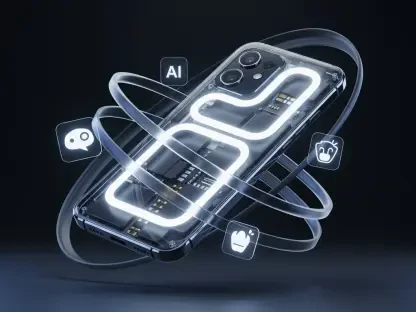
The potential for this historical pattern to repeat itself now centers on the Galaxy S26 Ultra’s rumored privacy display. This is not a simple software filter that dims the screen or applies a dark overlay; it is a sophisticated hardware-level feature engineered directly into the display panel. Its purpose is to make the screen’s contents invisible when viewed from an angle, functioning much like the physical privacy screen protectors many users currently purchase as accessories. The key difference, and its most groundbreaking aspect, is that this privacy function is dynamic and can be toggled on and off at the user’s will. This capability offers unprecedented flexibility, allowing users to enjoy a clear, vibrant display with wide viewing angles for sharing content like photos and videos, and then instantly switch to a secure, private screen for handling sensitive tasks such as mobile banking, private messaging, or reviewing confidential documents in public spaces, all without the compromises of a permanent screen protector.
This new technology is expected to be deeply interwoven with Artificial Intelligence, transforming it from a passive feature into a proactive security tool. Reports suggest the privacy display could be configured to activate automatically whenever a user opens specific applications that handle sensitive information, such as a banking or password manager app. More impressively, the AI could leverage the phone’s front-facing sensors to actively detect when an onlooker is attempting to view the screen over the user’s shoulder. In such a scenario, the system could autonomously engage the privacy function to instantly shield the on-screen information from prying eyes. This intelligent, context-aware security offers a level of automated protection currently unavailable on any smartphone, moving beyond manual controls to provide a truly smart and responsive privacy solution that adapts to the user’s environment in real-time.
A Cycle That Needs to Be Broken
The parallel between the Galaxy S9’s variable aperture camera and the Galaxy S26 Ultra’s proposed privacy display is both striking and concerning. Both are unique, hardware-based features that offer clear user benefits and have the potential to significantly differentiate Samsung’s offerings from the competition. On the one hand, this innovation could be a major selling point, capturing market attention and appealing to the growing consumer demand for enhanced privacy and security. However, the core fear remains a direct repeat of the S9’s fate. If other smartphone manufacturers do not immediately follow Samsung’s lead and adopt similar dynamic privacy displays, Samsung may once again perceive the feature as a niche, costly addition that doesn’t justify its inclusion. To remain price-competitive against rivals using less complex and cheaper traditional screens, the company could make the difficult decision to remove the feature after just one or two product generations, just as it did with its advanced camera system.
Should Samsung have chosen that path, the industry would have likely moved on, only for a major competitor like Apple or another prominent brand to reintroduce the concept of a switchable privacy display several years from now, marketing it as a revolutionary new feature. This course of action would have once again placed Samsung in the frustrating and strategically disadvantageous position of having to rush to re-adopt a technology it originated. The company risked getting trapped in a self-defeating cycle of being the first to innovate, the first to retreat due to market timing, and then being forced to follow a trend that it initially started. The ultimate lesson from this potential predicament was that pioneering a technology required not only engineering brilliance but also the strategic patience and market conviction to see it through until it became an industry standard.