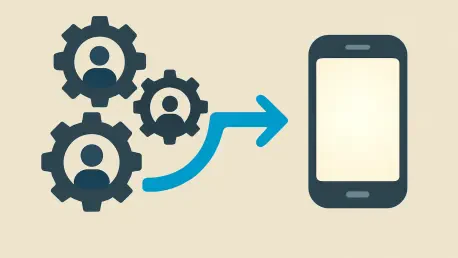

A wave of corporate restructuring is currently reshaping T-Mobile’s workforce, with a significant number of employees facing termination as the company accelerates its strategic pivot toward a digital-first operational model. This fundamental shift is not an isolated event but a calculated consequence of the growing sophistication and capability of the company’s proprietary T-Life application. The app, designed to be a one-stop shop for subscribers, now empowers users to manage nearly every aspect of their wireless service independently, from paying bills and upgrading devices to purchasing new accessories and adjusting plan features. As this digital self-service ecosystem becomes more robust, the company’s reliance on human-led customer support has begun to wane, leading to a reevaluation of staffing needs. This move reflects a broader trend within the telecommunications sector, where automation and digital interaction are increasingly prioritized to enhance efficiency and reduce operational overhead, fundamentally altering the landscape of customer service roles.
The Human Cost of Automation
The initial evidence of these job cuts surfaced not through official corporate channels but from the ground level, via anecdotal reports shared by T-Mobile employees on social media platforms like Reddit. An employee at one of the company’s Customer Experience Centers (CECs)—the modern evolution of the traditional call center—detailed a sequence of events now commonly associated with corporate downsizing. The account described a “last-minute scheduled meeting” that culminated in the termination of a significant portion of the supervisory staff, internally referred to as “Coaches.” This specific terminology is noteworthy as it aligns directly with T-Mobile’s well-publicized “Team of Experts” customer service model, suggesting the cuts are impacting the very structure of its support system. Adding weight to these claims, another employee at a call center in Portland, Maine, reported the unsettling and unannounced arrival of corporate security personnel and the conspicuous placement of shredder bins throughout the facility, both widely recognized as precursors to mass layoffs. These firsthand accounts paint a vivid picture of a workforce caught off guard by the swift implementation of a new corporate directive.
This workforce reduction extends beyond the primary customer support centers, indicating a company-wide strategic realignment rather than a localized adjustment. Reports have emerged suggesting that employees within the Small Markets and Rural Areas (SMRA) division have also been affected, with terminations and severance packages being offered to staff in these specialized teams. While T-Mobile has yet to officially confirm the full scope of these layoffs, the pattern is consistent with a strategic move to streamline operations across all departments. This industry-wide pivot toward automation and digital self-service is not unique to T-Mobile. In a parallel move that underscores the sector’s trajectory, competitor Verizon recently reduced its workforce by 13,000 employees as part of its own comprehensive corporate transition. This context positions T-Mobile’s actions not as an anomaly but as a calculated step to maintain a competitive edge in an industry rapidly being redefined by technological innovation and shifting consumer expectations for on-demand, digital-first interactions.
An Industry Transformed
T-Mobile’s strategic decisions signaled a definitive shift in how telecommunication giants approach customer engagement and operational efficiency. The reliance on digital platforms like the T-Life app to handle routine transactions proved to be a successful, albeit disruptive, model that prioritized automation over traditional human-led support structures. This transition, which was echoed by similar initiatives across the industry, permanently altered the job market for customer service professionals. The roles that were eliminated were largely those that could be standardized and absorbed by increasingly intelligent software, pushing the remaining human workforce toward more complex, high-value problem-solving tasks that automation could not yet handle. The events served as a stark case study in the broader narrative of technological displacement, highlighting the difficult balance companies must strike between innovation, profitability, and their responsibility to their employees. This pivot ultimately reshaped consumer expectations, conditioning them to favor the convenience of self-service and establishing a new operational benchmark for the wireless industry.