
The traditional landscape of cellular service is undergoing a radical transformation as T-Mobile aggressively pursues a future where human conversation is no longer the primary method of problem-solving. This shift marks a significant departure from the conventional service models that defined the early mobile era, signaling a broader industry move toward total automation. By prioritizing digital-first interactions, the company is not just updating its software; it is fundamentally restructuring how a telecommunications giant interacts with its massive subscriber base. This analysis explores the strategic underpinnings of this transition and the ripple effects it creates for the workforce and the consumer experience.
The Digital Shift: Redefining Customer Support at T-Mobile
T-Mobile is currently navigating a pivotal technological transformation, moving away from traditional human-centric support systems toward an infrastructure dominated by artificial intelligence. This shift is not merely a software update but a fundamental overhaul of the company’s corporate strategy, prioritizing a digital-first model designed to minimize human intervention. By integrating advanced machine learning and predictive analytics, T-Mobile aims to streamline operations and create a more automated user experience. This article explores the transition from legacy systems to AI-driven tools, examining the operational goals, the challenges faced by front-line staff, and the broader implications for the telecommunications industry as a whole.
From Atlas to Expert Assist: The Evolution of Support Infrastructure
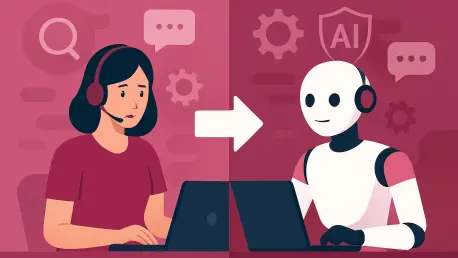
To understand the significance of this change, one must look at the historical backbone of T-Mobile’s customer service. For years, representatives relied on “Atlas,” a comprehensive proprietary platform that consolidated customer management tools into a single, highly efficient interface. Atlas allowed human agents to dive deep into account histories and billing details to provide nuanced solutions. However, as the industry shifts toward hyper-efficiency and big data, T-Mobile has begun retiring Atlas in favor of “Expert Assist AI.” This transition marks a departure from human-led problem solving toward a system that processes conversations in real-time to provide data-driven guidance, reflecting a decade-long industry trend of replacing manual workflows with algorithmic precision.
The Practical Challenges of AI Integration
Administrative Limitations and the User Experience Gap
A critical aspect of this transition is the notable friction between the new AI tools and the practical needs of customer service representatives. Internal reports suggest that “Expert Assist AI” offers significantly fewer options and less granular data than the predecessor it replaced. Employees have noted that they no longer have access to detailed bill breakdowns, and their administrative permissions have been curtailed. This suggests that the primary function of the new tool is not to empower the human agent, but rather to act as a funnel, steering customers toward self-service options like the T-Life app. While this increases operational efficiency on paper, it often leaves agents unable to resolve complex issues, creating a gap between the company’s digital ambitions and the customer’s need for direct, comprehensive problem-solving.
The Human Cost of a Rushed Rollout
Building upon these technical limitations is the issue of implementation and staff readiness. Reports from within the call centers indicate a rushed rollout characterized by insufficient training, which has left staff feeling ill-equipped to manage the new systems. In an environment where the AI “stumbles” when faced with nuanced customer inquiries, agents find themselves in a difficult position: they are the face of the company but lack the tools to help. This has led to a palpable increase in workplace stress, with employees proactively asking customers for patience and kindness as they navigate the reduced functionality of their workstations. The move highlights a common risk in AI adoption—prioritizing the speed of deployment over the readiness of the human workforce that must still oversee the machines.
Strategic Objectives and the Decline of Human Interaction
Beyond the internal technical hurdles, there are broader complexities regarding T-Mobile’s long-term corporate vision. The executive roadmap aims to reduce human-customer interactions by 75% by 2027 compared to levels seen just a few years ago. While the company leverages billions of data points to argue that AI leads to “individualized care,” the move also serves clear economic and geopolitical goals. T-Mobile has been candid that AI adoption will lead to significant layoffs, particularly affecting offshore staff. This strategy aligns with federal objectives to reduce reliance on foreign call centers, yet it creates a vacuum where the “human touch” in service is increasingly treated as a luxury or a last resort rather than a standard.
Predictive Analytics and the Future of Telecom Support
Looking ahead, the industry is moving toward a model where “Next Best Action” technology becomes the standard. This feature uses predictive analytics to suggest specific products, services, or discounts to customers before they even realize they need them. Combined with new innovations like Screen Share functions for remote assistance, the future of T-Mobile’s support will likely be characterized by proactive rather than reactive service. As AI systems become more sophisticated, we can expect a regulatory and economic shift where telecommunications companies are judged not by their person-to-person responsiveness, but by the seamlessness of their automated ecosystems and the accuracy of their predictive algorithms.
Key Takeaways for the Digital Era
The transition at T-Mobile provides several major takeaways for businesses and consumers alike. First, the move toward AI often involves an initial “downgrade” in granular control for the sake of long-term scalability. For professionals in the industry, the lesson is clear: digital literacy and the ability to work alongside AI are no longer optional skills. For consumers, the strategy is to embrace self-service tools, as human agents are increasingly being restricted to high-level oversight. Organizations looking to follow T-Mobile’s lead should prioritize robust training and ensure that AI tools do not inadvertently strip away the essential data required to solve complex customer problems during the transition phase.
Conclusion: Balancing Efficiency and Empathy
The replacement of traditional human support tools with AI-driven systems marked a definitive turning point in the telecommunications landscape. While the promise of “Expert Assist AI” and predictive analytics offered a glimpse into a highly efficient future, the initial challenges faced by staff highlighted the inherent difficulties of phasing out human expertise. This shift served as a significant indicator of where the industry was headed—a place where operational efficiency and data integration took precedence over traditional support structures. Ultimately, the success of this transition depended on whether the brand could refine its AI to handle the nuance of human needs or if the “digital-first” model resulted in a permanent disconnect between the company and its customers. Professionals began prioritizing the development of hybrid oversight roles to bridge this widening gap.