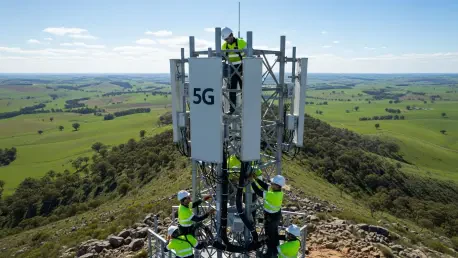

Modern digital economies increasingly depend on high-speed mobile connectivity to bridge the geographic gap between metropolitan centers and rural communities. In the Glen Innes region of New South Wales, the demand for mobile data continues to surge, placing significant pressure on existing telecommunications infrastructure at Martins Lookout. To address these evolving needs, Telstra has initiated a major infrastructure overhaul aimed at expanding 4G capacity and establishing the technical foundation for 5G integration. This project is not merely a routine maintenance check but a strategic enhancement designed to provide residents with faster download speeds and more reliable streaming capabilities. By upgrading the local base station, the provider aims to mitigate network congestion that often plagues regional areas during peak usage periods. This effort reflects a broader commitment to digital inclusion, ensuring that the New England area remains competitive in a connected world where access to high-bandwidth services is essential for both social and economic participation.
Enhancing Regional Connectivity and Technical Resilience
The implementation of these hardware upgrades requires a specific window of scheduled service interruptions, currently set to occur between Thursday, March 12, and Sunday, March 22. During this period, local users may experience intermittent outages, which are primarily restricted to daytime hours to minimize the impact on the community’s evening activities. To ensure that communication remains possible, residents are encouraged to leverage Wi-Fi Calling features, which allow voice calls and text messages to be routed through a home internet connection when cellular signals are unavailable. For local businesses, maintaining financial operations is a priority; therefore, merchants are advised to transition their EFTPOS terminals to the nbn or private Wi-Fi networks to avoid transaction failures. Crucially, public safety remains a cornerstone of the project, as emergency calls to Triple Zero are designed to automatically roam to any other available mobile network if the primary signal is down. This ensures that critical life-safety services remain accessible throughout the construction phase while the site undergoes its transformation.
The completion of this telecommunications project signified a pivotal shift for the Glen Innes community, as it effectively neutralized the long-standing technological disparity between urban and rural environments. While the primary focus rested on the physical upgrades at Martins Lookout, the long-term benefits extended to improved digital literacy and expanded economic opportunities for the New England region. The move to integrate 5G-ready components ensured that the local network remained resilient against future data demands, while the immediate 4G enhancements provided the necessary stability for modern agricultural and business operations. Because the upgrade specifically targeted mobile infrastructure, landline services and nbn internet remained fully operational throughout the process, preventing a total communications blackout. Stakeholders viewed this initiative as a blueprint for subsequent regional rollouts, emphasizing the importance of proactive infrastructure management in maintaining national connectivity standards. These developments successfully paved the way for more sophisticated smart-city technologies and enhanced remote work capabilities for all local residents.