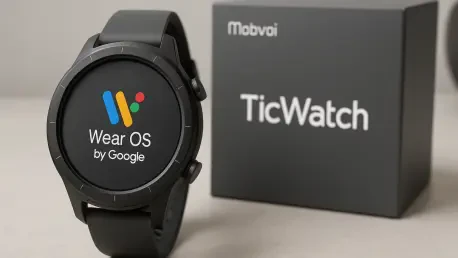

In the ever-accelerating world of wearable technology, the prolonged and conspicuous absence of a new device from a major player like Mobvoi speaks volumes without uttering a single word. For a company that once stood as a pillar of Google’s Wear OS ecosystem, this silence is not merely a pause but a powerful signal of a strategic retreat. This development is more than just a corporate decision; it represents a significant crack in the foundation of the Wear OS platform, raising critical questions about its future and the viability of third-party hardware manufacturers within it.
A Disquieting Silence from a Smartwatch Pioneer
For years, Mobvoi was a reliable and often-praised partner in the Wear OS space, consistently delivering TicWatch models that balanced innovative features with accessible price points. The brand became synonymous with choice, offering a compelling alternative to the flagship devices from larger tech giants. This history makes its current inactivity all the more alarming. The company has now gone well over a year without releasing a new smartwatch, a stark departure from its previously predictable and anticipated annual product cycle.
This prolonged product drought has left a noticeable void in the market and fueled widespread speculation among consumers and industry analysts. The absence of announcements, teasers, or even leaks suggests this is not a simple supply chain delay but a deliberate halt in development. The silence from a once-vocal player has become a defining narrative, pointing toward a significant shift in Mobvoi’s commitment to the wearable platform it helped popularize.
The Dwindling Ranks of Wear OS Partners
Mobvoi’s apparent step back is not an isolated incident but the latest move in a broader and more troubling trend for Google’s wearable platform. This “Wear OS Exodus” has seen several key manufacturers abandon the ecosystem. Most notably, Fossil Group, once the most prolific producer of Wear OS devices, announced a complete exit from the smartwatch business, ceasing all development. Similarly, luxury brand Tag Heuer pivoted toward a proprietary in-house operating system for its newest connected watches, seeking greater control over its product experience.
This pattern indicates a fundamental challenge for independent brands attempting to compete in the current Wear OS environment. As more partners depart, the platform becomes less of a diverse ecosystem and more of a two-horse race. The departure of companies like Mobvoi and Fossil erodes the variety and competitive pricing that once made Wear OS an appealing alternative, reshaping the market landscape in favor of a select few.
The Case of the Vanishing TicWatch Model
A closer look at Mobvoi’s recent activities reveals a clear pattern of strategic withdrawal. Beyond the stalled product pipeline, the company has actively removed older TicWatch models from its official website and its Amazon storefront. This digital scrubbing effectively erases a portion of its product legacy and makes it more difficult for new customers to engage with the brand, signaling a managed wind-down of its hardware offerings rather than a temporary pause.
Compounding these issues is Mobvoi’s well-documented struggle with software support, which likely contributed to its current position. The company developed a reputation for inconsistent and severely delayed operating system updates. A prime example is its failure to update most of its existing devices to Wear OS 5, even as the industry began its transition toward the next generation of software. This inability to keep pace with the platform’s evolution underscored a growing gap between Mobvoi’s hardware and the software experience users expected.
An Ecosystem Increasingly Built for Two
The challenges faced by Mobvoi and others can be traced back to the fundamental restructuring of the Wear OS platform. The 2021 “reboot,” a landmark collaboration between Google and Samsung, was designed to reinvigorate the struggling ecosystem. However, an unintended consequence of this partnership was the creation of a market duopoly. With Google developing the software and its own Pixel Watch, and Samsung serving as the primary hardware partner, independent manufacturers were left in a precarious and disadvantaged position.
This dynamic is amplified by consumer behavior, which increasingly favors tightly integrated tech ecosystems. A person who owns a Samsung smartphone is overwhelmingly likely to purchase a Samsung Galaxy Watch for its seamless connectivity and exclusive features. Likewise, Pixel phone owners are steered directly toward the Pixel Watch. This synergy gives Google and Samsung an insurmountable market advantage, squeezing out hardware-only companies like Mobvoi that cannot offer the same level of vertical integration.
What This Means for Consumers and Their Wrists
For current TicWatch owners, Mobvoi’s pivot creates a climate of uncertainty. The company has pledged to provide ongoing “essential support” for existing devices, but the term itself is frustratingly vague. This leaves users in limbo, questioning whether their expensive smartwatches will receive critical security patches, necessary bug fixes, or any new features in the future. Without a clear roadmap, the long-term value and security of these devices are now in question.
On a broader scale, the consolidation of the Wear OS market has significant consequences for all consumers. As major brands exit, the field narrows primarily to Google and Samsung. This reduction in competition threatens to stifle innovation, limit variety in design and price points, and create a platform that serves the strategic goals of its two largest stakeholders above all else. The promise of a vibrant, open ecosystem with abundant choice has been replaced by the reality of a walled garden tended by two giants.
The apparent withdrawal of Mobvoi from the new hardware market was a telling chapter in the story of Wear OS. It highlighted the immense pressures faced by third-party manufacturers in an ecosystem increasingly dominated by the platform’s architects. This trend toward consolidation ultimately left consumers with a diminished set of choices and raised lasting questions about whether a truly diverse and competitive market for Android-compatible wearables could be sustained.