
The landscape of mobile technology witnessed an unprecedented transformation during the opening months of this year as consumer behavior diverged into two distinct paths. Data from the first quarter of 2026 reveals a market that has matured beyond simple growth, with users now prioritizing either top-tier innovation or rugged, long-term utility. This shift has redefined brand loyalty through the lens of hardware parity and extended software lifecycles.
Industry observers note that the global smartphone landscape is no longer just expanding; it is becoming increasingly polarized. Consumers are gravitating toward devices that offer a definitive promise of performance or a clear path to longevity. Understanding this dynamic is essential for recognizing how Apple managed to sweep the top sales positions while Android manufacturers secured their dominance in emerging economies through strategic maneuvers.
Unpacking the Multi-Layered Factors Behind Apple’s Market Capture
The “Vanilla” Revolution: Bridging the Divide Between Standard and Pro Models
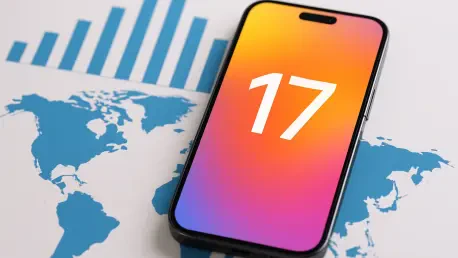
A primary reason for the success of the standard iPhone 17 is the strategic decision to narrow the technical gap between base and professional versions. In the past, the standard model often felt like it trailed a generation behind, but this iteration disrupted that trend by introducing faster display refresh rates and significantly improved camera resolution. By offering high-end features at a more accessible price point, the device captured a staggering 6% of all global sales.
This tactical shift successfully incentivized the massive “middle” segment of the market which previously hesitated to pay a premium for “Pro” labels but still craved modern performance. By making the standard model robust enough for power users, the manufacturer secured the top three spots in global sales rankings simultaneously. This move effectively turned the standard flagship into a high-performance tool rather than a compromise.
Regional Explosions: Tracking the Surging Demand in South Korea and Beyond
While traditional strongholds remained stable, South Korea saw a surprising tripling of sales volume for the latest hardware. This surge suggests a changing cultural preference in a market historically dominated by domestic players, likely fueled by aggressive trade-in programs and significant hardware upgrades. The ability to maintain a high market share for a single model in a fragmented global economy demonstrates a successful consolidation of consumer interest.
Furthermore, the brand’s performance across international borders illustrates how a premium device can become a universal standard. Even as global economies face various pressures, the desire for a unified ecosystem and reliable hardware remains a primary driver. This trend highlights a shift where the premium tier is no longer a niche but a central pillar of the global mobile infrastructure.
The Resilience of the Value Segment: How Samsung and Xiaomi Maintain High Volume
In contrast to the premium surge, the demand for affordable connectivity remains a powerful force in the global economy. The Samsung Galaxy A07 4G emerged as a top-selling Android device, reflecting the ongoing necessity of 4G technology in regions like Africa, the Middle East, and Latin America. These manufacturers have successfully defended their market share by acknowledging that for billions of users, price sensitivity and practical utility are the primary drivers.
While 5G technology dominates headlines in developed nations, the high volume achieved by budget-friendly models like the Redmi A5 proves that basic reliability is still paramount. These devices provide the essential gateway to the digital world for emerging markets. By focusing on the specific infrastructure realities of these regions, manufacturers ensure they remain relevant to a vast and growing demographic.
Software Longevity as a Competitive Edge: The New Battleground for Brand Loyalty
A major pivot toward hardware longevity is currently reshaping how consumers view budget electronics. The decision by some manufacturers to offer six major operating system updates for mid-range devices has fundamentally changed the value proposition. By promising that a phone purchased today will remain secure and functional until 2032, brands are challenging the “disposable” nature of entry-level electronics.
This strategy creates a compelling counter-narrative to hardware-first dominance, suggesting that for many, the best phone is the one that stays relevant the longest. This focus on software support helps bridge the gap between expensive flagships and affordable alternatives. It empowers consumers to make long-term investments in technology, knowing their devices will not be obsolete within a few years.
Strategic Blueprints for Navigating a Two-Tiered Smartphone Market
Market participants are now operating within a roadmap where the premium sector is won by hardware parity and the budget sector is won by longevity. It is increasingly clear that manufacturers must prioritize narrowing the gap between their flagship and mid-range tiers to capture the prosumer demographic. Simultaneously, those competing in emerging markets must remain focused on providing robust 4G options alongside long-term software commitments.
Success in this environment required a departure from the “mediocre middle ground” that once defined the industry. Consumers have become increasingly savvy, looking for future-proof investments regardless of their total spend. Companies that recognized this early were able to align their product cycles with the actual needs of a bifurcated global audience, ensuring their hardware remained at the top of the rankings.
The Enduring Impact of the iPhone 17 on Mobile Tech Trends
The influence of the iPhone 17 established a new benchmark for what a standard flagship should provide. It forced the entire industry to reconsider product segmentation by treating high-resolution sensors and smooth displays as essential requirements rather than luxury add-ons. Manufacturers realized that high-margin premium devices and high-volume value handsets could coexist if each offered a clear, uncompromising value proposition to their respective users.
Organizations that moved toward these standards saw increased brand loyalty and a more stable market presence. The ultimate lesson from this period was that success relied on the ability to provide either the best technology available or the best value over time. Industry leaders successfully adapted by eliminating features that did not contribute to longevity or immediate performance, focusing instead on the core attributes that consumers valued most during their daily use.