
Modern smartphone users no longer evaluate a flagship device based solely on its processing speed but rather on its ability to replicate the nuances of a high-end dedicated camera in everyday environments. As mobile hardware reaches a plateau in traditional performance metrics, the focus has shifted toward the optical stack, specifically how telephoto lenses can bridge the gap between amateur snapshots and professional-grade photography. The introduction of the Xiaomi 17 Ultra marks a significant milestone in this evolution, placing a massive 200MP sensor behind a variable telephoto system that challenges the necessity of bulky external lenses. This shift suggests that the era of sacrificing image quality for the sake of portability is rapidly coming to an end, as computational photography and high-resolution sensors converge to provide a level of detail previously reserved for full-frame equipment. By prioritizing the zoom experience, the device addresses a long-standing pain point for mobile photographers who often find themselves limited by the fixed focal lengths and digital grain typical of standard smartphone arrays.
Advanced Engineering in Optical Systems
The Mechanics of Variable Focal Lengths: Precision at Scale
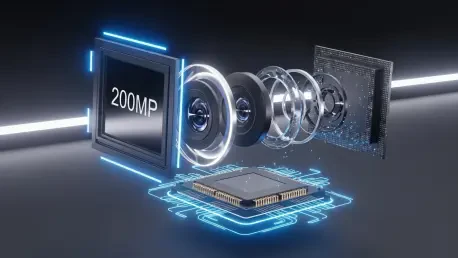
The technical centerpiece of the current flagship lineup is the sophisticated 200MP telephoto lens, which utilizes a variable optical system ranging from 3.2x to 4.3x magnification. This hardware implementation allows for a more fluid transition between different focal lengths, ensuring that the sensor maintains its high-resolution output without the immediate degradation often associated with digital cropping. When the system is pushed further, such as achieving an 8.6x digital zoom, the sheer density of the 200MP sensor provides enough raw data for the image processing algorithms to reconstruct textures and edges with remarkable clarity. This capability is particularly useful in scenarios where physical proximity to a subject is impossible, yet high-definition results are required. The engineering behind this lens reflects a deeper understanding of light gathering, as the sensor size and aperture work in tandem to minimize noise while maximizing the dynamic range available to the end user during the capturing process.
Integrating such a large sensor into a mobile form factor required a fundamental redesign of the internal housing to accommodate the necessary glass elements without compromising the device’s slim profile. The result is a telephoto system that does not merely serve as a secondary tool but often becomes the primary choice for users looking to compress perspectives or isolate subjects from cluttered backgrounds. Beyond the hardware, the internal software plays a critical role in managing the massive data throughput generated by 200MP captures. Every shutter press initiates a complex series of operations where multiple frames are analyzed and stacked to ensure that the final JPEG output retains the sharpness of a high-resolution raw file while remaining accessible for immediate sharing. This balance of extreme hardware specifications and intelligent software optimization establishes a new benchmark for what is possible within the constraints of modern smartphone architecture, emphasizing utility over mere specification numbers.
Color Science and the Leica Partnership: Authentic Imaging
A significant portion of the photographic identity in the Xiaomi 17 Ultra is derived from its ongoing collaboration with Leica, which provides distinct color profiles that cater to different aesthetic preferences. The “Leica Authentic” mode is designed to replicate the classic look of traditional film photography, focusing on natural light reproduction, deep shadows, and a more restrained color palette that avoids the over-processed appearance common in many mobile cameras. In contrast, the “Leica Vibrant” profile offers a more modern interpretation, enhancing saturation and brightness to make images pop, which is especially effective for architectural photography or travel shots intended for high-impact visual storytelling. This dual-profile approach allows photographers to choose a look that best suits the mood of the scene, ensuring that the technology serves the creative vision rather than dictating it through a single, unchangeable processing style.
This partnership extends beyond simple color filters, as the lens coatings and optical tuning are also influenced by Leica’s stringent standards for clarity and chromatic aberration control. In practical use, this means that even when shooting against harsh backlighting or in complex environments like the Venetian-inspired Grand World in Phú Quốc, the camera maintains a consistent level of contrast and color accuracy. The integration of these color sciences into the 200MP telephoto workflow ensures that even at high zoom levels, the characteristic Leica look remains intact, preventing the “washed out” effect that often plagues long-range mobile photography. By leveraging decades of expertise in optics and color theory, the device provides a sophisticated toolset that encourages users to experiment with light and shadow in ways that were once exclusive to professional studio environments or high-end mirrorless camera systems.
Practical Application and Environmental Testing
Architectural Precision in Vibrant Landscapes: A Field Study
Testing the device in a visually dense environment like Phú Quốc provided a unique opportunity to observe how the 200MP sensor handles complex geometric patterns and a wide spectrum of colors. During excursions to architectural landmarks, the telephoto lens demonstrated its ability to resolve fine details in building facades and ornamental designs from significant distances. Using the Leica Vibrant mode, the camera successfully captured the flamboyant hues of local structures, maintaining a balance that felt lively without becoming artificial. The ability to “punch in” using the 4.3x optical zoom allowed for the isolation of specific architectural elements, creating compositions that would be lost on a standard wide-angle lens. This level of versatility proves that the telephoto lens is an essential tool for urban exploration, where the perspective offered by a longer focal length can reveal hidden details in plain sight.
While the 50MP main and ultra-wide cameras are highly capable in their own right, they often served a supporting role during the evaluation, as the telephoto lens offered a more compelling way to frame the world. On Starfish Beach, the ultra-wide lens was utilized to capture the expansive shoreline and the unique natural features of the coast, showing consistent color performance across the entire camera array. However, it was the telephoto lens that truly excelled at capturing the texture of the sand and the subtle movements of the water from a distance, proving that a high-resolution zoom is just as valuable for nature photography as it is for cityscapes. The synergy between the different lenses ensures that the user is prepared for any scenario, but the 200MP telephoto remains the standout performer, providing a level of artistic flexibility that transforms the smartphone into a truly professional-grade imaging device.
Mastering Low Light and High Contrast Scenarios: Technical Superiority
The true test of any mobile camera system lies in its performance under challenging lighting conditions, such as the “Kiss of the Sea” show and its accompanying firework displays. Capturing fireworks requires a fast shutter response and the ability to manage extreme contrast between the dark night sky and the brilliant bursts of light. The Xiaomi 17 Ultra’s telephoto lens handled these moments with surprising poise, retaining detail in the light trails without blowing out the highlights or losing the deep blacks of the background. Similarly, in high-contrast indoor settings, such as capturing the intricate patterns of koi fish in a hotel pond, the lens demonstrated excellent focus tracking and noise reduction. These scenarios highlight the importance of sensor size and processing power, as the device must quickly calculate exposure and focus to freeze motion in environments where light is a luxury.
Beyond large-scale events, the telephoto lens also proved its worth in capturing smaller, more intimate details that require a macro-like perspective. By utilizing the 3.2x to 4.3x zoom range, users can achieve a natural bokeh effect that beautifully separates the subject from the background, a feat that is often faked through software in lesser devices. This physical depth of field is a direct result of the high-quality optics and large sensor, providing a level of professional polish to everyday shots of food, flora, or wildlife. The reliability of the autofocus system, even in dim lighting, ensures that the photographer can remain spontaneous, confident that the camera will lock onto the intended subject instantly. This combination of speed, clarity, and low-light performance solidifies the device’s position as a premier choice for those who demand uncompromising quality regardless of the environment or the time of day.
Ergonomic Integration and Future Professional Workflows
In terms of physical handling, the device is designed to be intuitive for high-end photography even without the use of specialized accessories like a dedicated photography grip. The weight distribution and the placement of the camera module allow for a stable hold, which is crucial when shooting at high zoom levels where even the slightest hand shake can result in a blurred image. The user interface is equally refined, providing quick access to zoom toggles and color profiles, allowing the photographer to make adjustments on the fly without navigating through deep menus. This seamless interaction between the hardware and the software interface is what makes the 17 Ultra a practical tool for both casual users and serious enthusiasts who want to focus on their composition rather than the technical limitations of their equipment.
Looking back at the testing period, the photographic capabilities of the 17 Ultra represented a significant shift toward a more deliberate and artistic approach to mobile imaging. The 200MP telephoto lens was not just a technical showcase but a functional asset that expanded the creative possibilities for capturing the world. For those looking to maximize their results, it was recommended to utilize the Leica Authentic profile for portraits and natural scenes to avoid over-saturation, while saving the Vibrant mode for high-contrast landscapes. Furthermore, practicing with the 4.3x zoom helped in understanding how to better compress backgrounds for more dramatic effects. These insights showed that the device was most effective when the user leaned into its specific strengths, treating the smartphone as a serious photographic instrument rather than a mere utility.