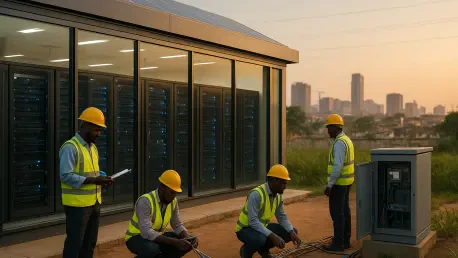

Reliable power supply and advanced cooling systems remain the primary hurdles for the ₦3.8 trillion infrastructure project aimed at boosting cloud capacity. This staggering capital injection, orchestrated by the National Information Technology Development Agency, represents a fundamental shift in how the nation approaches its technological destiny. For years, the country operated primarily as a consumer of global digital services, but the current strategic pivot seeks to establish a robust domestic foundation. By prioritizing the “pipes and storage” of the modern economy, the government is laying the groundwork for a more resilient and self-sufficient ecosystem. This initiative is not merely about buying hardware; it is an ambitious effort to domesticate the digital value chain and ensure that the nation’s data remains a sovereign asset. The focus on high-speed data centers and localized cloud computing platforms provides the necessary infrastructure to support a burgeoning tech sector that has long been hampered by a lack of reliable local hosting options.
National Security: Building Sovereignty Through Cloud Solutions
The National Sovereign Cloud Initiative stands at the forefront of this transformation, aiming to secure digital borders by establishing a domestic environment for sensitive information. By hosting government data and institutional records within geographic boundaries, the state significantly mitigates risks associated with international surveillance and cyber espionage. This localized approach ensures that critical datasets, ranging from citizen biometric information to fiscal records, are governed by local regulations and security protocols. Beyond the obvious security benefits, the initiative serves as a powerful economic stabilizer. Currently, significant amounts of foreign currency leave the country as local enterprises and government bodies pay international tech conglomerates for cloud storage and processing. By redirecting these expenditures toward domestic infrastructure, the nation can retain capital, stimulate local investment, and create a sustainable cycle of growth within the indigenous technology sector for years to come.
Transitioning to localized cloud services offers more than just security and economic retention; it fundamentally enhances the performance of the entire digital economy. High latency has long been a barrier for sophisticated digital services, but by placing data centers closer to the end-users, the speed of transactions and data retrieval improves dramatically. This performance boost is particularly vital for the financial technology sector, where millisecond delays can impact the reliability of payment gateways and banking applications. Furthermore, e-commerce platforms and e-government portals benefit from reduced lag, providing a smoother and more reliable experience for citizens and businesses alike. This infrastructure-first strategy is designed to create a digital experience that meets or exceeds international benchmarks, ensuring that the local ecosystem is not just a secondary alternative but a competitive choice for global players looking to expand their presence in the West African region.
Infrastructure Expansion: Strengthening the Physical Backbone
The current investment landscape recognizes that data centers have become the “new real estate” of the digital age, providing the essential physical housing for servers that drive national productivity. This massive expansion is fueled by several converging trends, including the rapid proliferation of 5G networks and the explosive growth of the domestic FinTech industry. As more public records and tax systems move into the digital realm, the demand for high-tier facility space has reached unprecedented levels. However, the viability of these facilities depends on much more than just the procurement of servers and racks. They require a sophisticated support system that includes redundant power supplies, industrial-grade cooling solutions, and extensive fiber-optic connectivity to ensure uninterrupted operations. Without these critical components, the hardware remains vulnerable to the environmental and logistical challenges that have historically plagued large-scale industrial projects in the region.
Beyond the immediate technical requirements, this digital push is fundamentally reshaping the physical built environment and modern urban planning strategies. High-quality fiber-optic access is no longer viewed as a luxury but has instead become a primary driver for commercial and residential real estate development. Modern businesses and residents now categorize high-speed internet as a fundamental utility, standing on equal footing with access to clean water and electricity. This shift has forced developers to integrate advanced digital infrastructure into the earliest stages of architectural design and city layout. Consequently, the construction and maintenance of these technology hubs are creating a specialized market for facility management and specialized engineering. This provides a significant boost to local labor markets, as there is an increasing demand for technicians who understand the complexities of maintaining high-density compute environments while adhering to strict international uptime standards.
Sustainable Development: Strategic Implementation and Integration
Despite the unprecedented scale of the ₦3.8 trillion roadmap, significant logistical hurdles remain that could undermine the long-term success of the initiative. Data centers are notoriously energy-intensive operations, requiring massive amounts of electricity to power servers and maintain the precise temperatures needed for cooling. The inherent instability of the national power grid presents a substantial risk to the cost-competitiveness of local cloud services compared to global providers who operate in more stable environments. If operational costs remain high due to a reliance on expensive diesel generators or private microgrids, the economic advantage of local hosting may be diminished. Additionally, while the national backbone infrastructure is receiving substantial funding, the “last-mile” connectivity remains a bottleneck in many outlying regions. This geographic disparity threatens to concentrate the benefits of the digital transformation within major urban centers, potentially leaving behind rural populations.
The ultimate success of this ambitious roadmap relied on the ability to pair financial investments with structural reforms in the energy sector and human capital development. Moving away from a dependence on foreign providers necessitated a massive upskilling effort to prepare the local workforce for roles in cybersecurity, cloud architecture, and data center management. Industry leaders recommended that the government prioritize decentralized power solutions, such as solar and gas-to-power projects, specifically dedicated to tech hubs to ensure operational stability. Furthermore, public-private partnerships emerged as the most effective vehicle for expanding last-mile connectivity into underserved areas, ensuring that the digital dividend reached every corner of the country. By focusing on these actionable steps, the nation solidified its position as a preeminent digital economy. This strategy successfully created an environment where data was stored locally and processed securely, which eventually catalyzed broad-based economic growth across the continent.