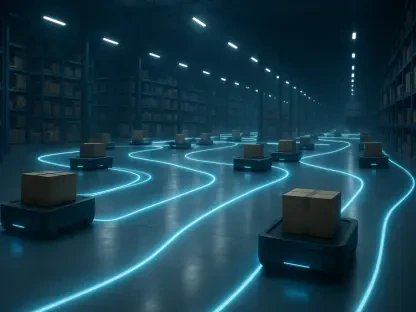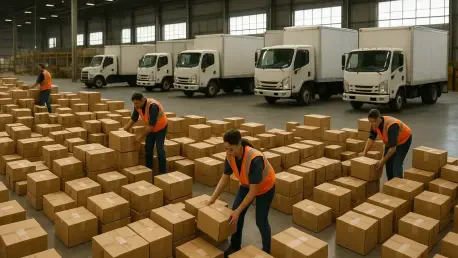

Shein’s new fulfillment hub in Indiana is set to create hundreds of local jobs, adding to the company’s existing regional workforce of 1,300 employees. This massive 737,000-square-foot facility in Lebanon brings the retailer’s total footprint in the state to over 2.5 million square feet, showcasing a rapid domestic scaling strategy. By centering its logistics in the American Midwest, the firm aims to drastically improve delivery efficiency for hundreds of millions of active customers across 160 global markets. This move signals a significant transition from an international drop-shipping model toward a robust domestic distribution network. The facility integrates advanced robotics to handle high volumes of fashion orders, ensuring the company remains competitive in the 2026 e-commerce landscape. This proactive investment reflects a deeper commitment to the U.S. market and provides a resilient foundation for growth while bolstering the local economy through substantial job creation.
Strategic Integration: Domestic Logistics and Brand Growth
The expansion into Lebanon is a calculated response to the shifting landscape of American trade policy and regulatory requirements. For years, the firm utilized the de minimis exemption to ship low-value packages duty-free, but as legislative scrutiny intensifies between 2026 and 2028, establishing a domestic inventory becomes an essential insurance policy. This logistics engine is now designed to support a more diverse brand portfolio, following the strategic $100 million acquisition of the American label Everlane. By housing premium and budget inventory under one roof, the company can streamline its fulfillment operations and provide the high-speed shipping that modern consumers demand. The Lebanon hub specifically addresses the complexities of managing a multi-brand ecosystem while also providing a localized base for handling returns and exchanges. This transition from a digital disruptor to a physical retail powerhouse helps insulate the business from global shipping volatility.
Technological innovation serves as the backbone of this new facility, where high-speed automation and real-time data analytics optimize every stage of the fulfillment process. George Chiao, the company’s U.S. president, has emphasized that this investment in Lebanon is central to maintaining operational agility in a crowded marketplace. This push for infrastructure stability follows the company’s successful initial public offering in Hong Kong this September, which valued the firm at approximately $26.5 billion. The capital raised from the IPO is being directed toward these physical assets to ensure long-term sustainability and market penetration. By leveraging predictive analytics, the distribution center can anticipate regional demand and ensure that popular items are stocked and ready for immediate dispatch. This sophisticated approach allows the company to maintain its status as a top-tier global player while evolving its operational model to meet the high standards of the North American market.
Organizations seeking to replicate this successful domestic pivot should have prioritized the integration of automated sorting systems to manage high-volume inventory effectively. The Indiana project demonstrated that establishing localized hubs allowed retailers to bypass the unpredictability of international shipping lanes. Leaders in the sector observed that diversifying into premium markets, as seen with the Everlane acquisition, required a more flexible logistics network than the original fast-fashion model. Moving forward, businesses were encouraged to evaluate their domestic footprints as a means of mitigating trade risks and improving customer satisfaction through faster delivery. Companies that invested in scalable industrial real estate and local workforce development found themselves better prepared for the 2026 economic environment. Ultimately, the industry moved toward a hybrid fulfillment model that combined global reach with domestic speed, providing a clear blueprint for sustainable growth.