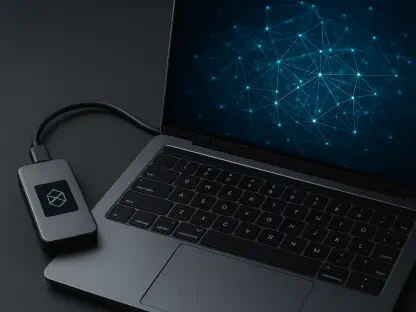

Entry-level portable hard drives provide an unobtrusive solution for everyday document backups and light media storage at a low price point. As the digital landscape of 2026 continues to evolve, these devices have transitioned from simple luxury accessories into foundational components of a modern personal infrastructure. We are currently navigating an era defined by massive 8K media libraries, complex gaming environments with hyper-realistic assets, and expansive professional datasets that require constant accessibility. Consequently, the demand for efficient and reliable hardware has reached an all-time high, forcing consumers to look far beyond basic storage numbers. Today’s sophisticated users must evaluate a drive based on its sustained data transfer speeds, physical resilience against environmental factors, and the long-term value provided by integrated security features. The market has reached a point where the speed of the interface is often just as important as the total capacity, as a slow drive can become a significant bottleneck in an otherwise high-performance computing setup. This shift in perspective ensures that whether a user is a casual hobbyist or a high-level professional, the focus remains on maintaining a seamless flow of information without the constant fear of data loss or system degradation.
Understanding the Core Storage Technologies: SSDs and HDDs
To make an informed purchase in the current market, one must first distinguish between the three primary pillars of modern data management: Solid State Drives, Hard Disk Drives, and Network Attached Storage. Solid State Drives have firmly established themselves as the gold standard for speed and responsiveness, utilizing advanced flash memory and NVMe protocols to provide nearly instantaneous access to large files. This speed is absolutely essential for modern gaming and high-resolution video editing, where waiting for a mechanical platter to spin up is no longer acceptable. Furthermore, because these drives lack moving parts, they offer a level of physical durability that was previously impossible, making them the preferred choice for anyone who works on the move. The elimination of mechanical latency has completely redefined expectations for system boot times and application loading, placing SSDs at the heart of any performance-oriented workstation or entertainment rig in 2026.
Traditional Hard Disk Drives still hold a vital and irreplaceable position in the storage ecosystem due to their superior capacity-per-dollar ratio. While they certainly cannot match the rapid transfer rates of a solid-state alternative, they remain the undisputed champions for mass archiving and long-term data warehousing. For users who need to store tens of terabytes of cold data—information that is accessed infrequently but must be preserved—the cost-effectiveness of an HDD is unmatched. Meanwhile, Network Attached Storage systems have gained massive popularity among small business owners and smart-home enthusiasts who require a centralized hub for data redundancy. These units allow for remote access and automated backup schedules across a local network, providing a layer of security and convenience that standalone drives cannot offer. Understanding the specific strengths of these technologies allows a buyer to build a tiered storage strategy that maximizes both performance and budget.
High-Performance SSDs: Speed for Professionals and Power Users
For those who prioritize raw velocity and ruggedness above all else, the SanDisk 2TB Extreme Portable SSD remains a top contender in 2026. This device is specifically engineered for professionals who frequently operate in unpredictable or harsh environments, such as outdoor photographers or field researchers. It features impressive read speeds of up to 1050MB/s, which allows for the near-instantaneous transfer of massive creative projects and raw footage. Beyond its internal speed, the drive is encased in a durable shell with a certified IP65 rating, ensuring resistance against water, dust, and accidental drops. This ruggedized design is not merely for show; it provides the peace of mind necessary when working in the field where a single equipment failure could result in the loss of critical work. The integration of USB 3.2 Gen 2 technology ensures that the drive remains compatible with the latest hardware while providing the throughput required for intensive tasks.
The Samsung T7 Portable SSD serves as the premier all-rounder for students and office professionals who require high-speed throughput without an overly industrial aesthetic. It utilizes advanced NVMe technology to minimize latency during heavy multitasking, making it an excellent choice for running portable operating systems or managing large databases on the fly. One of the more unique protections offered by this model is its resistance to magnetic interference, a feature that helps preserve data integrity in environments with high electromagnetic activity. While it carries a higher price-point per gigabyte than its mechanical counterparts, its blend of a sleek, palm-sized design and shock-resistant internal hardware makes it an incredibly reliable companion for high-efficiency workflows. The drive is often praised for its thermal management system, which prevents the device from overheating during prolonged data transfers, ensuring that performance remains consistent even during the most demanding work sessions.
High-Capacity HDDs: Solutions for Archiving and Gaming
When sheer volume is the primary requirement, the WD 5TB Elements Portable HDD stands out as a massive and reliable digital warehouse. This drive intentionally foregoes the high speeds of solid-state technology to provide an enormous amount of space in a compact, pocket-sized form factor that belies its massive capacity. It is particularly useful for users who need a straightforward, plug-and-play solution that functions seamlessly across different operating systems without the time-consuming hassle of reformatting. Because it draws all its necessary power directly from the host device’s USB port, it eliminates the need for bulky external power adapters, making it surprisingly portable for such a high-capacity unit. For the digital archivist who needs to store a lifetime of family photos, videos, and documents, this drive represents the pinnacle of accessible mass storage, offering a secure vault for information that does not require the lightning-fast access of an SSD.
The Seagate Portable 2TB External HDD occupies a strategic niche for the global gaming community, which continues to face the challenge of ever-increasing game install sizes. It is widely recognized for its seamless integration with gaming consoles, allowing players to expand their digital libraries affordably without having to constantly delete and re-download titles. A standout feature of this particular model is the inclusion of a dedicated data recovery service, which provides a rare and valuable safety net for what is considered an entry-level drive. This service ensures that even in the event of a mechanical failure or accidental damage, a professional team is available to help retrieve lost information, adding a layer of security that is often missing in budget-friendly hardware. This combination of console compatibility and professional support makes it a favorite among casual and serious gamers alike who want to protect their progress and their growing collection of interactive media.
Reliable Entry-Level Solutions: Simplicity and Everyday Use
For the minimalist user who simply needs a dependable way to back up standard office documents and light media files, the Toshiba Canvio Basics 2TB offers a refined, no-frills experience. This drive focuses entirely on the essentials of data storage, providing a compact and lightweight chassis that avoids the unnecessary software bloat often bundled with more expensive models. It represents the quintessential budget-friendly pick for 2026, offering stable performance for those who do not require high-end features like hardware encryption or ruggedized external housing. The simplicity of the device is its greatest asset, as it allows for a true plug-and-play experience that is accessible even to those who are not particularly tech-savvy. Its matte finish and unobtrusive design allow it to blend into any office environment, serving as a quiet but reliable workhorse for routine data preservation tasks.
Selecting the right entry-level drive frequently involves a calculated trade-off between additional software features and overall cost-effectiveness. While the Toshiba model may lack the automated cloud backup tools or the bundled recovery services found in premium brands, its streamlined nature is often preferred by professionals who already have their own established security protocols. It is a particularly dependable choice for those using legacy hardware or for individuals who prefer to manage their backup schedules manually rather than relying on third-party automated systems that can sometimes fail or consume system resources. By focusing on a solid mechanical build and a reliable USB 3.0 interface, this drive proves that a storage solution does not need to be expensive or complicated to be effective. It serves as a reminder that for many daily tasks, a basic, well-built hard drive is more than sufficient to keep one’s digital life organized and safe.
Strategic Buying Framework: Making a Final Selection
The most critical step in navigating the 2026 storage market involves conducting a thorough and honest audit of your specific data requirements. Capacity must be the primary filter used during the selection process; for instance, a professional videographer dealing with high-bitrate footage will inevitably require 5TB or more, whereas a casual user may find that a 1TB drive is more than sufficient for their needs. Speed should be the next major consideration, as active tasks like gaming or real-time 4K editing require the high-speed threshold of an SSD to prevent frustrating system lag and workflow interruptions. It is important to remember that as software becomes more demanding, the performance of your storage drive will play an increasingly prominent role in the overall speed of your computer, making an investment in faster technology a wise move for future-proofing.
In the final analysis, physical reliability and the price-to-value ratio must be weighed against the specific environment in which the drive will be used. If the device is intended to remain on a desk in a climate-controlled home office, a high-capacity HDD offers the most storage for every dollar spent. However, for those who identify as digital nomads or who frequently commute with their hardware, investing in a ruggedized SSD with an integrated data recovery plan is a much smarter and more sustainable long-term strategy. The evaluation of these top-tier drives has demonstrated that the best choice depends entirely on how a user interacts with their data on a daily basis. By matching the drive’s internal architecture and external build to a specific lifestyle, it became clear that anyone can secure a robust foundation for their digital legacy. Moving forward, the focus should remain on maintaining a redundant backup system that utilizes both high-speed local storage and reliable archiving solutions to ensure that no critical information is ever truly lost.