
Apple’s software release schedule operates with a metronomic predictability that belies the significant technological shifts occurring just beneath the surface of its user interface. For millions of iPhone users, the year unfolds through a series of incremental and major updates, each one polishing the existing experience while laying the groundwork for the next generation of hardware and software capabilities. The journey through the remainder of iOS 26 and into the dawn of iOS 27 reveals a clear, multi-faceted strategy. This roadmap is not merely a list of features but a narrative of evolution, driven by the dual pressures of regulatory compliance in key markets and an ambitious, company-wide pivot towards more deeply integrated artificial intelligence. As the year progresses, this carefully orchestrated sequence of releases will see Siri become profoundly more intelligent, new hardware gain crucial software support, and the very definition of what an iPhone can do begin to expand in meaningful ways, setting the stage for a transformative period in the platform’s history.
The Final Chapters of iOS 26
Incremental Updates and Regional Compliance
The initial phase of the year’s software updates focuses on refinement and targeted enhancements with the release of iOS 26.3, which is anticipated to arrive in late January. While seemingly a minor point release, this update carries significant weight, particularly in its approach to interoperability and regulatory demands. A key feature is the introduction of enhanced data transfer capabilities between iPhone and Android devices, a move aimed at smoothing the transition for new users entering the Apple ecosystem. More strategically, this update addresses specific European Union mandates by incorporating features like notification forwarding for third-party smartwatches and enabling proximity pairing for a wider range of third-party accessories. These additions are not just about user convenience; they represent a calculated response to increasing regulatory pressure for more open platforms, demonstrating Apple’s willingness to adapt its historically closed ecosystem when required. This update serves as a prime example of how global politics and regional regulations are increasingly shaping the feature set of mainstream consumer technology products.
Following the cadence of previous years, the iOS 26 cycle will continue with smaller, yet important, maintenance releases designed to stabilize the platform ahead of its next major overhaul. The expected arrival of iOS 26.5 in mid-May and iOS 26.6 in late July will primarily concentrate on under-the-hood improvements, bug fixes, and security patches. These updates are crucial for ensuring a smooth and reliable user experience for the hundreds of millions of devices running the operating system. While they may not introduce groundbreaking functionality, their role in maintaining system integrity cannot be overstated. Often, these releases also include minor user-facing additions, such as a new Pride-themed wallpaper, which serves to refresh the user interface and acknowledge cultural milestones. Ultimately, these later updates represent the final polish on the iOS 26 generation, closing out its development cycle and preparing the user base for the significant architectural and feature-rich changes promised with the impending arrival of the next major version of the operating system.
Siri’s Intelligence Leap
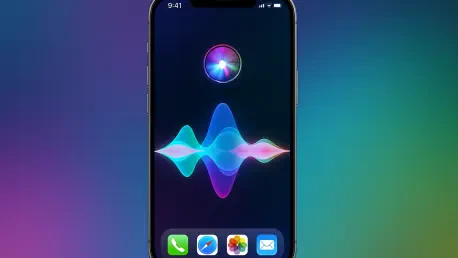
A more substantial evolution within the iOS 26 lifecycle is projected for late March or early April with the launch of iOS 26.4, an update poised to deliver a major reinvention of Siri. This release is expected to move the digital assistant beyond simple command-and-response interactions by embedding it more deeply within the user’s personal context. One of the cornerstone features will be Siri’s newfound ability to search for information within apps, leveraging a user’s personal data—such as contacts, files, and calendar events—to provide more relevant and timely answers. Furthermore, the introduction of “onscreen awareness” will empower Siri to understand and take action on content currently displayed on the screen, allowing users to perform complex tasks with simple voice commands. This update will also expand in-app actions, giving the assistant deeper control over third-party application functions, transforming it from a simple launcher into a true in-app navigator and operator, a significant step toward a more proactive and integrated AI experience.
The ambitious enhancements planned for Siri in iOS 26.4 highlight a strategic acceleration in Apple’s artificial intelligence development, though this path is not without potential challenges. Reports suggest that these advanced features were originally slated for a later operating system version, indicating that their inclusion in an iOS 26 point release is a deliberate push to bring sophisticated AI capabilities to users sooner. However, this accelerated timeline also introduces the risk of delays or a phased rollout if development hurdles arise. The complexity of granting an AI deep access to personal data and app functions while maintaining Apple’s stringent privacy standards is a monumental engineering task. The success of this update will therefore be a critical test of Apple’s ability to innovate rapidly in the competitive AI landscape while upholding its core commitment to user privacy, setting a precedent for the deeper “Apple Intelligence” integrations planned for the future.
Paving the Way for iOS 27
The Next Generation Unveiled
The centerpiece of the year’s software roadmap is undoubtedly iOS 27, which is scheduled for its official public release in mid-September following a well-established beta testing period. The developer beta is expected to be unveiled in June, with a public beta following in July, giving enthusiasts and developers ample time to test the new system. Rumors surrounding this major release point to a significant step forward, particularly in its support for next-generation hardware and the formal introduction of a comprehensive AI framework. A key highlight is the inclusion of optimizations specifically designed for a rumored first-generation iPhone Fold, suggesting that the software is being engineered to accommodate novel form factors. Concurrently, the update is expected to debut “Apple Intelligence,” a suite of AI-powered features, including a sophisticated platform for the Health app that could offer predictive insights and personalized wellness plans. This new OS will also bring a significant visual redesign for Siri, signaling a new era for the digital assistant that aligns with its enhanced underlying capabilities.
As the transition to a new operating system begins, Apple will maintain its commitment to users who may not upgrade their devices immediately. Coinciding with the public launch of iOS 27 in September, the company is expected to release iOS 26.7. This update will serve as an optional, security-focused release for users who choose to remain on the older platform, ensuring their devices continue to receive critical patches and remain secure. This dual-release strategy has become a standard practice, acknowledging the diverse hardware landscape and varied user preferences within the iPhone ecosystem. It allows the company to push forward with its latest innovations for users with newer devices while providing a stable and secure environment for those who prefer to wait or whose hardware may not fully support all the features of the new operating system. This approach balances cutting-edge innovation with long-term product support, a key factor in maintaining customer loyalty and trust across the brand’s vast user base.
Post-Launch Refinements
The initial September release of a new iOS version is rarely the final word on its feature set for the year. Following this established pattern, iOS 27.1 is anticipated to launch in late October or early November. The primary purpose of this first major point release is to introduce significant features that were not fully ready for the initial public launch. This iterative development strategy allows Apple to meet its annual release schedule while affording its engineering teams additional weeks to polish more complex functionalities. For users, this means that the iOS 27 experience will continue to evolve and expand in the months following its debut. This update often addresses feedback gathered from the first wave of public users and may also include support for new hardware that is sometimes released in the fall, separate from the main iPhone launch event. It serves as a second wave of innovation, ensuring that the momentum from the new OS launch carries through the end of the year and keeps the platform feeling fresh and dynamic.
The annual software development cycle traditionally concludes with a significant update in mid-December, and iOS 27.2 is expected to follow this precedent. This release typically focuses on further refinements, stability enhancements, and the squashing of bugs that have been identified since the initial launch and the subsequent .1 update. While it may also introduce a few smaller features or user interface tweaks, its main goal is to solidify the operating system’s performance and reliability heading into the new year. This end-of-year update is a critical part of the roadmap, as it delivers a more mature and polished version of the new OS after it has been stress-tested by hundreds of millions of users globally. For Apple, it represents the culmination of a year’s worth of development, delivering on the promises made at the start of the cycle and setting a stable foundation upon which the next series of incremental updates will be built in the following year.
A Calculated Evolution
The meticulously planned rollout from iOS 26.3 to the initial versions of iOS 27 ultimately showcased a company in a state of deliberate transition. Each release, whether a minor patch or a major version, served a distinct strategic purpose. The updates throughout the year demonstrated a careful balance, where immediate obligations, such as regulatory adherence in Europe, were managed alongside the foundational work for a long-term, ambitious push into advanced on-device artificial intelligence. The methodical progression, from enhancing Siri’s contextual awareness to laying the software groundwork for new hardware categories, underscored a disciplined and forward-looking strategy that prioritized both stability for current users and innovation for the future of the platform.