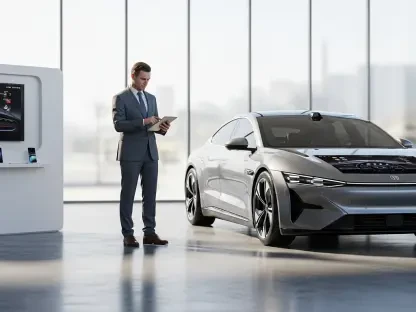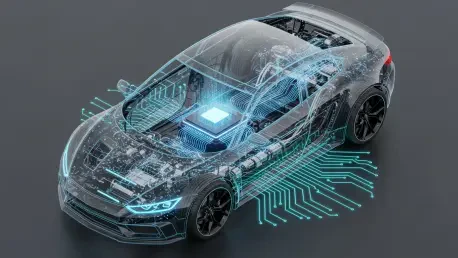

The automotive industry is currently navigating a fundamental shift where vehicle value is increasingly defined by code rather than by horsepower or physical manufacturing precision alone. This transformation has prompted Google to significantly advance its Android Automotive OS (AAOS) to serve as the backbone for the next generation of software-defined vehicles (SDVs). By moving beyond the limitations of simple infotainment systems, the platform now utilizes a modular architecture designed to integrate deeply with a car’s internal communication network. This evolution allows the software to govern non-safety-critical functions such as advanced climate control systems, multi-zone ambient lighting, and sophisticated driver profile management. Consequently, the vehicle becomes an extensible digital environment that can be updated over-the-air with the same frequency and ease as a modern smartphone. This strategic pivot ensures that the digital cabin remains synchronized with the latest cloud-based services and user preferences while maintaining a cohesive interface for the driver and passengers alike.
Architectural Shift: The Infrastructure of Intelligent Mobility
At the heart of this technological leap lies a topology-agnostic communication layer that allows the operating system to interact with various electronic control units regardless of the specific hardware configuration. This abstraction is vital because it enables developers to build applications and services that work across different vehicle models without requiring extensive custom coding for every specific sensor or actuator. By centralizing the management of digital keys and cabin acoustics within this flexible framework, Google provides a standardized environment for innovation. This modular approach effectively decouples the software development lifecycle from the much longer hardware production cycles typically found in the traditional automotive sector. As a result, manufacturers can introduce new digital features in weeks rather than years, fostering an ecosystem where the car’s capabilities can expand long after it has left the showroom floor. This shift represents a major departure from legacy systems that were often static and isolated from the broader internet.
Deep integration of the Google Assistant and native application support further bridges the gap between the mobile lifestyle and the driving experience through seamless data synchronization. By leveraging the power of cloud computing, the platform anticipates user needs by analyzing driving patterns and personal schedules to provide proactive suggestions for navigation and media. This level of intelligence is supported by a robust security layer that protects sensitive user data while allowing for the personalized settings that modern consumers demand. For instance, when a driver enters the vehicle, their unique profile automatically configures the seat position, mirrors, and even the preferred climate settings via the digital key interface. This highly personalized approach reduces the cognitive load on the driver, allowing them to focus more on the road while the software manages the complexities of the cabin environment. Such advancements underscore the transition from cars being mere transportation tools to becoming sophisticated, sentient companions that enhance every aspect of the daily commute or long-range journey.
Strategic Alliances: Balancing Branding and Platform Efficiency
The transition toward a unified software platform is accelerating through strategic collaborations with key industry players like Renault and Qualcomm to ensure production readiness. By partnering with semiconductor leaders, Google ensures that its software is optimized for high-performance automotive grade chips, which are essential for processing the massive amounts of data generated by modern sensors. These alliances allow original equipment manufacturers to reduce their internal research and development costs by utilizing a proven, scalable software stack. However, carmakers must navigate the delicate balance between adopting a third-party platform and maintaining their unique brand identity. Many manufacturers are wary of becoming mere hardware providers and are therefore working to customize the top layers of the user interface to preserve their distinctive look and feel. Despite these concerns, the efficiency gains provided by a mature ecosystem are becoming too significant to ignore, especially as the industry moves toward 2027 and 2028 with a focus on electrified and autonomous fleets.
The industry successfully recognized that the future of mobility relied on a software-first mindset that prioritized flexibility and long-term serviceability over static hardware. While Google intentionally avoided safety-critical systems like braking and steering to mitigate liability, its mastery of the digital cabin set a new standard for user engagement. Stakeholders in the automotive space moved to adopt these modular frameworks to stay competitive against rivals like Apple and its expanding CarPlay ecosystem. Moving forward, manufacturers must prioritize the development of clear data-sharing agreements to protect proprietary vehicle information while still reaping the benefits of global platform scale. Investing in robust cybersecurity protocols and high-speed connectivity remained a critical step for ensuring that these software-defined vehicles remained safe from external threats. By focusing on the user experience and maintaining an agile development process, the sector ensured that the vehicle remained a relevant and evolving piece of the digital world. These strategic steps allowed the industry to achieve a more sustainable and technologically advanced future for all.