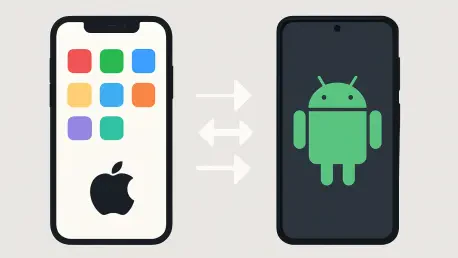

The long-standing digital walls separating mobile ecosystems are finally beginning to show cracks, granting users an unprecedented level of control over their personal data and device choices. The ability to switch between mobile operating systems represents a significant advancement in consumer freedom and data portability. This review will explore the evolution of this technology, focusing on Apple’s new streamlined transfer process, its key features, performance, and the impact it has on the user experience. The purpose of this review is to provide a thorough understanding of this new capability, its current limitations, and its potential future development in the context of increasing regulatory pressure.
The Dawn of Seamless OS Switching
For years, the choice between iOS and Android felt like a long-term commitment, largely due to the technical nightmare of migrating a user’s digital life from one platform to another. This friction, often referred to as “ecosystem lock-in,” served as a powerful retention tool, discouraging even dissatisfied users from switching. However, the introduction of a native transfer tool within iOS 26.3 signals a fundamental change in this dynamic, directly addressing the historical difficulties of moving between these two walled gardens.
This development is not merely a technical update but a response to a shifting global landscape. The growing emphasis on user choice and data portability, championed by regulators worldwide, has made the once-impenetrable barriers between operating systems a primary target for reform. Apple’s new feature, therefore, represents a pivotal moment, acknowledging that consumers should have the right to move their data freely, regardless of their hardware preferences.
Deconstructing the Transfer Mechanism
A Four-Tap Path to Freedom
The primary achievement of the new transfer feature is its radical simplicity. Apple has condensed a previously complex and often third-party-dependent process into an intuitive, four-tap initiative directly within the Settings app. By navigating to the transfer option and scanning a QR code on the new Android device, the user initiates a direct, secure connection between the two phones, effectively removing the technical expertise once required for such a migration.
This streamlined process is a significant step toward democratizing device choice. By eliminating the fear of a complicated or incomplete data transfer, the feature empowers the average consumer to make decisions based on hardware, features, and price, rather than being anchored by the sheer inconvenience of leaving a familiar ecosystem. It transforms the act of switching from a daunting project into a simple setup step.
Data Portability What Crosses the Divide
A key component of this new tool is the comprehensive scope of the data it migrates. The transfer successfully moves essential categories of personal information, including photos, files, messages, and even a user’s lineup of apps, ensuring the new Android device feels familiar and functional right away. This extensive portability covers the core elements of a user’s digital identity, making the transition feel less like starting over and more like a simple change of address.
However, the transfer is not all-encompassing. Certain sensitive or proprietary data types are intentionally excluded, such as health data, previously paired Bluetooth devices, and other protected items. While these omissions are often rooted in security and privacy concerns, they create gaps in the transfer process. Users must still find manual workarounds for this information, highlighting that while the divide has narrowed, it has not yet vanished entirely.
The Regulatory Push for Interoperability
Apple’s decision to facilitate an easier exit from its ecosystem was not made in a vacuum. This change is a direct consequence of mounting pressure from regulatory bodies, most notably the European Union. New legislation aimed at curbing the power of Big Tech has put a spotlight on anti-competitive practices, with the EU signaling its readiness to impose substantial penalties on companies that fail to promote interoperability and user choice.
Faced with the threat of significant fines and increased scrutiny, technology giants are preemptively adjusting their policies to align with these new regulatory standards. The “Transfer to Android” feature is a clear example of this trend, representing a strategic move to demonstrate compliance and avoid further conflict. This external pressure has become a primary catalyst for pro-consumer changes that might not have otherwise materialized.
Real-World Impact for the Everyday User
The practical benefits of this technology are immediate and tangible for consumers. For anyone who has felt tethered to an iPhone due to the daunting task of moving years of photos, contacts, and conversations, this feature offers a newfound sense of freedom. It effectively lowers the barrier to entry for considering an Android device, fundamentally altering the decision-making process when it comes time to purchase a new phone.
This empowerment extends beyond individual choices, influencing the broader market dynamic. When users can switch platforms with minimal hassle, hardware and software innovation become the primary drivers of competition. Consumers are no longer captive to a single brand because of data inertia; instead, they can freely choose the device that best meets their needs, fostering a more competitive and consumer-friendly mobile landscape.
Persistent Hurdles and Omissions
Despite its advancements, the technology still faces several challenges that prevent a completely frictionless transition. The exclusion of specific data types, like health and wellness information, remains a significant hurdle for users heavily invested in Apple’s HealthKit. This data is often deeply personal and accumulated over many years, and its absence from the transfer means a part of the user’s digital history is left behind.
Furthermore, the process for migrating paid apps and subscriptions continues to be a market obstacle. While the tool may prompt the download of corresponding Android apps from the Google Play Store, it does not transfer licenses or purchase histories. Users must repurchase applications and manually re-establish subscriptions, adding a layer of financial and logistical complexity that the simple data transfer does not solve.
The Future of a More Open Mobile Ecosystem
Looking ahead, the trajectory for this technology points toward greater completeness and integration. Future updates, likely spurred by ongoing regulatory demands, may include pathways for transferring currently omitted data types like health and fitness metrics. Achieving this would mark the next major milestone in creating a truly seamless and holistic migration experience between platforms.
The long-term impact of regulatory-driven interoperability could reshape the competitive dynamic between Apple and Google. As the walls around their respective ecosystems become more permeable, the battle for user loyalty will shift from creating friction to delivering superior value. This new paradigm will likely accelerate innovation in software, services, and hardware as both companies are forced to compete on merit rather than on the inconvenience of switching.
Concluding Assessment
Apple’s new iOS-to-Android transfer feature is a landmark development in consumer technology, representing a significant step toward data portability and user freedom. Its intuitive design successfully dismantles many of the technical barriers that once locked users into a single ecosystem. The tool effectively empowers consumers to make hardware choices based on preference rather than being constrained by the historical difficulty of data migration.
However, the system is not yet perfect. The exclusion of key data categories and the unresolved issue of paid app transfers highlight the remaining hurdles to achieving a truly seamless transition. While these limitations prevent the process from being completely frictionless, the feature’s existence signals a fundamental shift. It marks a clear move toward a more open and competitive mobile landscape, where the power is increasingly placed back into the hands of the user.