
The unnerving reality that a fraudulent email could originate directly from a trusted service like PayPal, perfectly mimicking official correspondence, is forcing users to re-evaluate their approach to digital security. This advanced phishing campaign exploits the very systems designed to protect users, turning legitimate notifications into instruments of deception. The objective of this article is to provide a clear and comprehensive understanding of this sophisticated threat. By breaking down the mechanics of the scam, readers can learn how to identify these deceptive emails and protect their financial information from determined attackers.
This guide will answer the most pressing questions surrounding this new vector of attack. It explores how scammers manipulate PayPal’s features, why their methods are so effective at bypassing security filters, and what their ultimate objectives are. Furthermore, it details the distribution techniques used to reach a wide audience and offers guidance on how to respond if you encounter such a threat. The information presented here is crucial for anyone who uses online payment platforms and wishes to remain secure in an increasingly complex digital landscape.
Key Questions and Topics
How Does This Advanced Phishing Scam Work
This particular scam cleverly manipulates PayPal’s legitimate “Subscriptions” feature to initiate the attack. Attackers begin by creating a subscription associated with a target’s account and then immediately cancel it. This cancellation action automatically triggers a system-generated email notification sent directly from PayPal’s official servers to the user, informing them that a subscription has been terminated. This process is entirely automated and relies on standard platform functionality.
The core of the deception lies in how the attackers inject their fraudulent message into this otherwise authentic email. Within the subscription details, there are customizable fields, such as a customer service URL or a note section. The scammers insert their deceptive text into one of these fields before canceling the subscription. Consequently, when PayPal generates the cancellation email, it includes this malicious message, which typically warns the user of a large, fictitious purchase and provides a fraudulent phone number to call for support.
Why Are These Scam Emails so Convincing
The primary reason these phishing attempts are so persuasive is that they originate from a legitimate source. The notification email is sent from an official PayPal domain, not a spoofed or lookalike address. Because of this, the email successfully passes standard email authentication protocols like Sender Policy Framework (SPF) and Domain-based Message Authentication, Reporting, and Conformance (DMARC). These security measures are designed to detect forged sender addresses, but they are ineffective here because the sender is, in fact, authentic.
This high level of authenticity lulls recipients into a false sense of security. Most users are trained to look for suspicious sender addresses, spelling errors, or unusual formatting, none of which are typically present in these emails. The message appears within the standard PayPal email template, complete with official logos and formatting. This professional appearance, combined with the alarming content about a large transaction, creates a powerful sense of urgency that encourages victims to act impulsively without verifying the information through official channels.
What Is the Ultimate Goal of the Attackers
The end goal of this elaborate scheme is to trick the user into making a phone call to a number controlled by the scammers. The fraudulent message embedded in the email is a form of social engineering designed to create panic. By claiming a large sum of money has been charged to their account, attackers prompt the victim to seek immediate resolution by calling the “customer service” number provided.
Once a victim calls the fraudulent number, they are connected with a scammer posing as a PayPal representative. From there, the attacker employs various tactics to extract sensitive information. They may ask the user to “verify” their identity by providing their account password, credit card details, or other personal financial data. In some cases, they might even try to persuade the victim to install remote access software on their computer, giving the attacker complete control over their device and access to all their accounts.
How Are Scammers Distributing These Emails at Scale
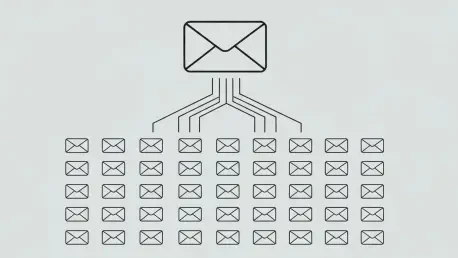
To efficiently target a large number of victims, the attackers have developed a clever distribution method using a single controlled email address. Instead of sending the manipulated subscription cancellation email to each victim individually, they send it to one address that is part of a Google Workspace mailing list they manage.
This mailing list is configured to automatically forward any incoming message to all its members, who are the intended targets of the scam. This forwarding technique allows the scammers to amplify their efforts significantly. With a single action—sending one email to their own mailing list—they can reach hundreds or even thousands of potential victims at once. This method is not only efficient but also helps obscure the attackers’ activities, making it more difficult to trace the origin of the mass-mailing campaign.
Summary of the Scam
The sophistication of this phishing campaign highlights a significant vulnerability in user trust and automated systems. The scam leverages PayPal’s own infrastructure, sending legitimate emails that contain malicious, user-generated content. These emails bypass critical security filters because they originate from an authenticated source, making them appear entirely trustworthy to the recipient. The core of the attack is social engineering, where a sense of urgency is created to compel users to contact fraudulent support numbers. This leads to the potential compromise of sensitive account credentials and financial information. PayPal acknowledges this issue and is actively working on mitigation strategies to prevent the abuse of its notification systems. In the meantime, user vigilance remains the most critical line of defense.
Final Thoughts
This campaign demonstrated how attackers had adapted their methods to exploit the seams in trusted communication channels. The abuse of a legitimate platform feature revealed that even authenticated emails could no longer be implicitly trusted if they contained customizable, user-defined content. This incident underscored the necessity for users to adopt a more critical approach, verifying all unexpected account activity directly through official websites or applications rather than relying on information provided within an email. The events served as a stark reminder that digital security is a shared responsibility, where platform providers must continually refine their safeguards and users must remain perpetually cautious.