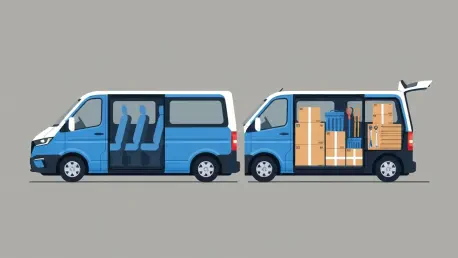

The humble van, long the workhorse of commerce and the unsung hero of family road trips, is undergoing its most profound transformation since its inception, shedding its utilitarian roots to become a sophisticated and highly desirable electric vehicle. This evolution from a simple utility box to a purpose-designed electric platform marks a pivotal moment for both commercial and personal mobility. This review explores this technological shift through the lens of the Kia PV5, a vehicle that exemplifies the new breed of electric vans. The analysis will delve into the core technology, performance, practical applications, and market impact to provide a comprehensive understanding of where this segment stands and where it is headed.
The New Wave: An Introduction to Skateboard Chassis Vans
The foundation of this new generation of electric vans is the dedicated “skateboard” platform, a design philosophy that fundamentally rethinks vehicle architecture. Unlike traditional vans, where an electric powertrain is retrofitted into a chassis designed for an internal combustion engine, a skateboard platform integrates the battery pack, motors, and drivetrain components into a single, flat assembly low to the ground. This approach liberates designers from the constraints of engine bays, transmission tunnels, and fuel tanks, opening up unprecedented interior volume and layout flexibility.
This shift is particularly significant for the van market, a segment that has historically trailed passenger cars in adopting new technology. For years, electric van offerings were largely compromises—existing models with batteries and motors added, often resulting in reduced cargo space, awkward weight distribution, and inefficient performance. The purpose-built skateboard chassis, however, is a ground-up solution that prioritizes electric propulsion from the outset, allowing for optimal packaging, improved driving dynamics, and a more user-centric interior design that capitalizes on the inherent advantages of EV technology.
Deep Dive: Analyzing the Kia PV5’s Core Attributes
Powertrain, Range, and Real-World Efficiency
At the heart of the Kia PV5’s performance is a powertrain engineered for practicality rather than outright speed. The single electric motor delivers 160 horsepower, which provides perfectly adequate acceleration for a vehicle of its size, achieving a 0-62 mph time of 10.6 seconds. This level of performance ensures confident merging and city driving without being excessive for a family or commercial hauler. Buyers can choose between a standard-range model offering approximately 183 miles and an upgraded version with a 71.2kWh battery that extends the combined cycle range to a more versatile 256 miles.
While these range figures may not lead the premium EV market, the PV5’s standout characteristic is its impressive efficiency. The vehicle demonstrates a remarkable ability to match its projected range figures in real-world driving conditions, a crucial factor for users who depend on accurate predictions for daily routes or long journeys. This reliability instills confidence and mitigates range anxiety, making the transition from a diesel-powered van to an electric one a far more predictable and less stressful proposition.
The Ace of Space: Interior Versatility and Cargo Capacity
The most compelling argument for a purpose-built electric van is its extraordinary use of interior space, and the PV5 excels in this regard. The Passenger variant functions as a superb people-mover, offering expansive room for rear occupants with ample legroom and headroom. Higher trim levels enhance the experience with amenities like heated rear seats and multiple USB-C ports, transforming the cabin into a comfortable environment for long trips. This focus on passenger comfort positions it as a genuine contender against large, seven-seat SUVs.
Beyond passenger accommodations, the vehicle’s true versatility shines in its cargo capabilities. The second-row seats are designed to fold completely flat, creating a vast and uninterrupted load floor. With the seats in place, it offers an already impressive 1,330 liters of space, but folding them down unleashes a cavernous 2,300 liters—eclipsing the total volume of even the most spacious electric SUVs. This immense, usable space allows for the transport of large items like mountain bikes or surfboards without disassembly, a level of practicality that few other vehicles can match.
Driving Dynamics: A Car-Like Experience in a Van’s Body
One of the most surprising attributes of the PV5 is how it behaves on the road. Shedding the typically cumbersome and heavy feel associated with traditional vans, it delivers a driving experience that is remarkably car-like. The steering is light and responsive, making urban maneuvering and parking far less intimidating than its dimensions would suggest. Through corners, the low center of gravity afforded by the skateboard chassis helps the vehicle remain flat and composed, inspiring confidence in the driver.
This refined handling is complemented by a quiet and well-insulated cabin that effectively isolates occupants from road and wind noise. The near-silent operation of the electric motor contributes to a serene cruising experience, reducing driver fatigue on long journeys. This combination of agile handling and a peaceful cabin elevates the PV5 beyond a mere utility vehicle, making it a genuinely pleasant and comfortable mode of transportation for daily use.
Cabin Tech and Ergonomics: Strengths and Quirks
The driver’s environment in the PV5 is a modern and functional space dominated by a 12.9-inch central touchscreen. This display runs a bespoke Android Automotive operating system that is both intuitive and responsive, offering access to a familiar app-based ecosystem. This system is paired with a clear and customizable digital instrument cluster behind the steering wheel, providing essential driving information at a glance. The central placement of the main screen is a deliberate choice to accommodate commercial users who may need to run logistics software.
However, the cabin is not without its ergonomic peculiarities. A common critique is the over-reliance on the touchscreen for functions like climate control, which can be less intuitive than physical buttons while driving. The most notable ergonomic trait is the driving position itself. Due to the high floor required to house the battery pack, the driver sits lower relative to the window line than in a conventional van, creating a posture more akin to a sedan. While this contributes to an airy, open feel, it can seem unusual at first and may leave some drivers feeling more exposed than they are used to.
Market Disruption: Pricing, Positioning, and a New Value Proposition
Perhaps the most disruptive aspect of the Kia PV5 is its strategic market positioning, particularly concerning its price. With a starting price in key markets that dramatically undercuts its most direct rival, the Volkswagen ID Buzz, Kia has established a new benchmark for value in the electric van segment. This aggressive pricing strategy makes the PV5 accessible to a much broader audience, including families and small businesses who may have previously found lifestyle-oriented electric vans to be prohibitively expensive.
This move does more than just create a competitive advantage; it reshapes consumer expectations for the entire category. By offering a product with superior interior space, comparable technology, and a refined driving experience for significantly less money, Kia challenges the premium pricing models of established competitors. This forces a reevaluation of what an electric van should cost, potentially accelerating market adoption by making the switch from combustion-engine vehicles a more financially compelling decision for a greater number of buyers.
Real-World Scenarios: From Family Hauler to Lifestyle Enabler
The true measure of the PV5’s success lies in its real-world applicability across diverse user profiles. For families, it presents a compelling alternative to the ubiquitous seven-seat SUV. Where many SUVs compromise on third-row space and cargo capacity, the PV5 offers uncompromised room for all passengers and their luggage, making it an ideal vehicle for daily school runs, family vacations, and everything in between. Its practical, spacious interior is simply better suited to the demands of family life.
Moreover, the van serves as a powerful lifestyle enabler for individuals with active hobbies. Its cavernous and flexible interior is perfectly suited for transporting bulky equipment, from bicycles and camping gear to surfboards and kayaks. The ability to load large items without the need for disassembly or external racks simplifies logistics and opens up new possibilities for adventure. In this context, the PV5 transcends its role as a mere vehicle and becomes an integral tool for pursuing passions and facilitating an active lifestyle.
Addressing the Hurdles: Current Limitations and Compromises
Despite its many strengths, the purpose-built electric van is not without its current limitations. For the PV5, a primary consideration is the absence of a true long-range battery option capable of exceeding 300 miles on a single charge. While its efficiency is excellent, this range cap may be a deterrent for users who frequently undertake long-distance travel. Furthermore, its 400V electrical architecture limits DC fast-charging speeds to approximately 150kW, which, while respectable, falls short of the ultra-fast charging capabilities offered by some newer 800V platforms.
Kia is actively working to address some of these compromises through ongoing development. For instance, future iterations are planned to include more versatile seating arrangements, such as fully removable “crew van” style seats, which will further enhance its modularity and appeal to commercial users. These planned upgrades demonstrate an awareness of current shortcomings and a commitment to refining the platform based on user needs, suggesting that many of today’s limitations are temporary hurdles rather than permanent flaws.
Beyond the Van: The Future of Modular Electric Platforms
The Kia PV5 is not an isolated product but rather the first manifestation of a much broader and more ambitious vision known as the “Platform Beyond Vehicle” (PBV) strategy. This initiative leverages the modular nature of the skateboard chassis to create a diverse ecosystem of specialized vehicles built upon a common foundation. This approach streamlines manufacturing and development while allowing for a high degree of customization to meet specific commercial and personal needs.
The long-term plan for the PBV platform extends far beyond the current van, with blueprints for a range of future vehicles including pickups, larger commercial vans, and even highly specialized models with features like integrated refrigeration for logistics. This modular strategy has the potential to revolutionize various sectors by offering tailored, efficient, and cost-effective electric solutions. It represents a forward-thinking approach that views the vehicle not just as a mode of transport, but as a versatile and adaptable platform for a wide array of services and applications.
Conclusion: A Game-Changer for the Electric Van Segment
The emergence of the purpose-built electric van, exemplified by vehicles like the Kia PV5, marks a significant inflection point for the segment. By moving beyond the compromises of converted internal combustion platforms, this new generation offers a fundamentally better product. The technology’s ability to deliver a compelling combination of immense, usable space, refined car-like driving dynamics, and modern cabin technology creates a package that is both highly practical and genuinely desirable.
This technological leap is amplified by a disruptive value proposition that challenges established market leaders and resets consumer expectations. For the first time, a practical, stylish, and comfortable electric van is available at a price point that makes it a viable option for a broad range of users. This powerful blend of utility, refinement, and affordability presents the most convincing argument yet for traditional diesel van owners to make the switch, signaling that the era of the compromised electric van is over and a new, more capable generation has arrived.