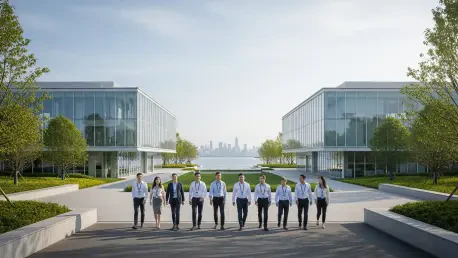

The transformation of the long-vacant South Works steel mill site into a global epicenter for quantum computing has reached a critical turning point as local stakeholders unite to secure their community’s economic future. For years, the 400-acre expanse along the South Chicago lakefront remained a symbol of industrial decline, but the emergence of the Illinois Quantum and Microelectronics Park represents a definitive shift toward a high-tech revitalization. At the heart of this movement is a coalition known as Southeast Neighbors For Quantum, a group of approximately twenty local businesses and long-term residents dedicated to ensuring the project moves forward. This grassroots organization advocates for the development of a 128-acre campus, which serves as the centerpiece of the broader Quantum Shore initiative. The ambitious plan includes a 52-bed hospital managed by Advocate Health Care and the nation’s first utility-scale quantum computer facility operated by California-based PsiQuantum. This development is not merely a scientific venture; it is an effort to reclaim a defunct landscape.
Combating Economic Stagnation through High-Tech Investment
The primary catalyst for this local mobilization is the severe economic disinvestment that has plagued South Chicago since the collapse of the steel industry decades ago. Since the start of the century, the neighborhood has endured a staggering twenty-four percent decrease in its population, a trend that has gutted local commerce and left once-vibrant streets largely desolate. Proponents of the quantum campus argue that this initiative is not merely a scientific venture but a vital lifeline capable of reversing this long-standing demographic drain. By introducing thousands of high-tech jobs and attracting specialized researchers from around the globe, the project is expected to create a sustainable economic ecosystem. This influx of professional workers and institutional capital is viewed as a necessary intervention to stabilize property values and provide a foundation for long-term growth. The community sees this as the first legitimate chance to rebuild the middle class.
Beyond the direct employment offered by the quantum facility, local business owners anticipate a massive surge in secondary economic activity driven by increased daily foot traffic. Small enterprises, ranging from family-owned restaurants to specialized retail shops, have struggled to survive in a landscape with limited consumer spending power. The addition of a major healthcare facility and a cutting-edge research hub is expected to bring a steady stream of employees, patients, and visitors into the area every day. Jorge Perez and other entrepreneurs within the Southeast Neighbors For Quantum coalition believe that this renewed activity will spark a renaissance for local storefronts that have stood vacant for years. This commercial revitalization is seen as a way to diversify the local economy, moving away from a reliance on a single industrial sector. By fostering a multi-use environment, the project aims to create a resilient neighborhood where technology and local commerce coexist.
Local Sovereignty and the Shifting Community Narrative
A central element of the coalition’s message involves the assertion of community autonomy against external groups that have voiced opposition to the redevelopment. Local residents have expressed growing frustration with activists traveling from distant neighborhoods like Logan Square and Humboldt Park to protest the tech park. The members of Southeast Neighbors For Quantum argue that these outside voices do not possess the lived experience or the long-term investment required to understand the neighborhood’s specific needs. There is a strong consensus that the individuals who remained in South Chicago through its most difficult periods should be the primary architects of its future. By taking control of the narrative, the coalition seeks to ensure that the benefits of the Quantum Shore project are directed toward those with deep roots in the South Side. This demand for self-determination highlights a broader desire for residents to lead their own economic recovery rather than following external agendas.
The project is also being framed as a form of technological reclamation that honors the region’s history while purging the physical scars of the industrial past. For multi-generational families who saw their ancestors work in the now-defunct steel mills, the South Works site has long been a painful reminder of lost prosperity and environmental neglect. Sharon Brown-Latiker and other long-term residents view the new quantum campus as a way to transform this “forgotten” land into a modern jewel that will once again place South Chicago at the forefront of global industry. Rather than letting the site remain a vacant eyesore, the community is embracing its transition into a hub for microelectronics and scientific discovery. This shift reflects a strategic effort to adapt the neighborhood’s identity for a new era, ensuring that the legacy of hard work and innovation continues. The reclamation of this land is seen as a symbolic victory, proving that old industrial hearts can beat again.
Educational Integration and Sustainable Future Prospects
To ensure that the high-paying roles created by the facility are accessible to the local population, the project has already begun integrating with the neighborhood’s educational fabric. Roni Facen, the principal and CEO of St. Francis de Sales High School, emphasized that the quantum park has established early partnerships to introduce specialized programming into the classroom. This initiative was designed to demystify complex technology for students, making the “invisible” world of quantum mechanics tangible and attainable. By providing early exposure to scientific fields that are still in their infancy, the project aimed to inspire a new generation of local professionals. The strategy focused on building a direct workforce pipeline from South Side schools to the research labs, reducing the need for firms to source talent exclusively from other regions. This educational foundation was seen as the most effective way to future-proof the community’s youth and guarantee long-term social mobility within the area.
Strategic steps taken by the coalition and the developers prioritized the creation of a legally binding Community Benefits Agreement to address lingering concerns about displacement. While supporters championed the high-tech campus, organizations like the Alliance of the Southeast worked to ensure that the redevelopment included specific protections for current residents. These efforts sought to balance the arrival of innovative industries with the immediate requirements of the population, such as the restoration of grocery stores and pharmacies. Local leaders recommended that the development team maintain transparent communication and formalize commitments to local hiring and affordable housing. By weaving these community-focused safeguards into the project’s framework, the neighborhood sought to create a model for urban renewal that prioritized existing residents. The outcome demonstrated that technological progress was most effective when it operated in tandem with the daily socio-economic needs of the people living nearby.