
The transition of high-fidelity console franchises to the palm of a hand has long been the ultimate litmus test for mobile hardware and developer ingenuity, and the arrival of this latest entry proves that the gap between platforms has nearly evaporated. While previous years saw mobile adaptations as mere companion apps or simplified spin-offs, the current landscape of 2026 demands full parity in terms of mechanical depth and visual fidelity. This specific expansion of the Tom Clancy universe arrives as a standalone, free-to-play experience that refuses to compromise on the tactical density that defined its predecessors. By leveraging a massive global network of specialized studios, the project serves as a sophisticated benchmark for what modern smartphones can achieve when tasked with rendering a complex, interconnected urban environment under the duress of a societal collapse.
Tactical Depth and Narrative Foundations
Reimagining the Urban Collapse in New York
The narrative returns to the atmospheric roots of the franchise, dropping players into the snowy, chaotic streets of New York City during the initial “Green Poison” outbreak. This setting provides a familiar yet distinct backdrop for newly activated Division agents who must navigate the breakdown of social order while contending with both old and new threats. Unlike previous entries that focused on the aftermath of the crisis, this experience emphasizes the immediate desperation of the collapse, forcing players to secure vital infrastructure and protect vulnerable civilian populations. The introduction of the Freemen faction adds a fresh layer to the tactical puzzle, as these scavengers utilize makeshift weaponry and unpredictable hit-and-run tactics that differ significantly from the more structured movements of the Cleaners or the brutal aggression of the Rikers.
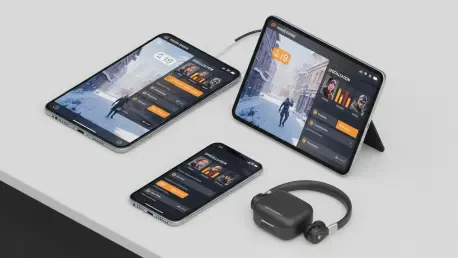
To maintain narrative continuity across sessions, the development team implemented a robust cross-save system that ensures progress remains synchronized regardless of the specific iOS or Android device being used. This technical flexibility allows players to transition from a quick mission on a commute to a longer, more intensive session on a high-end tablet without losing gear, experience, or story progress. By focusing on a standalone storyline, the game manages to invite newcomers who may not have played the earlier titles while simultaneously offering veteran players new perspectives on the events that shaped the Division’s history. The environmental storytelling remains a hallmark of the experience, with the meticulously detailed streets and abandoned buildings serving as silent witnesses to the rapid disintegration of the metropolis during the pandemic.
Specialization Systems and Strategic Combat
Combat effectiveness relies heavily on a sophisticated RPG progression system that allows for a high degree of personalization through five distinct specializations. Players can choose from roles such as the Demolitionist, Bulwark, Field Medic, Tech Operator, or Vanguard, each of which brings a unique set of gadgets and ultimate abilities to the battlefield. The Demolitionist excels at area denial and high-explosive damage, whereas the Bulwark serves as a traditional tank, absorbing fire to protect more fragile teammates. This class-based approach encourages a collaborative mindset, as the most difficult content requires a balanced composition of skills to overcome tactical hurdles. The inclusion of the Tech Operator, who manages autonomous turrets and drones, highlights the series’ reliance on near-future military hardware to gain an edge.
Flexibility is a core design philosophy here, as the game permits agents to switch their roles at any time to better suit the specific requirements of a mission or a team’s current needs. This fluidity prevents players from feeling locked into a single playstyle and rewards those who master the nuances of each specialization. Whether engaging in solo play or forming cooperative squads of up to four agents, the combat remains grounded in cover-based mechanics that punish recklessness and reward methodical planning. The tactile feedback of the weaponry and the responsiveness of the touch controls have been tuned to mirror the precision of a physical controller, ensuring that the high-stakes gunfights feel impactful and fair. This deep level of customization extends to the loot system, where finding the right combination of gear attributes is essential for optimizing a chosen role.
Structural Pillars and Technical Milestones
Social Engagement and Competitive Environments
The gameplay loop is anchored by three primary pillars designed to provide a comprehensive experience ranging from initial onboarding to high-level competitive play. The “Story and Onboarding” phase utilizes a comprehensive “Bootcamp” tutorial to familiarize players with the intricate controls and the overarching narrative goals before releasing them into the shared open world. This world is a living environment where players can encounter one another, secure outposts, and participate in dynamic activities that contribute to the overall stability of the city. For those seeking higher stakes, the “Dark Zone” returns as a premier PvPvE destination where the tension of extracting rare loot is amplified by the constant threat of rogue agents. This zone remains one of the most innovative concepts in modern gaming, blending cooperative survival with the possibility of sudden betrayal.
In addition to the unpredictability of the Dark Zone, a dedicated PvP mode known as “Conflict” offers a more structured competitive experience for players who want to test their skills in a fair and balanced arena. This mode strips away some of the environmental variables to focus on pure tactical execution and team coordination. To foster long-term engagement, the social systems include comprehensive clan activities that allow groups of players to work together toward collective goals, such as upgrading shared facilities and unlocking specialized rewards. The “Lone Wolf” training mode provides a dedicated space for individuals to hone their skills through performance-based challenges, ensuring that even those who prefer solo play have a clear path to mastery. This multi-layered approach ensures that the game remains relevant to a diverse audience with varying playstyles and time commitments.
Engineering a Polished Mobile Experience
Achieving a console-quality experience on mobile required an immense collaborative effort involving over a dozen global Ubisoft studios, including major contributions from Singapore, Montreal, and Shanghai. This distributed development model allowed for specialized focus on different aspects of the game, such as environmental design, server infrastructure, and mobile-specific optimization. From a hardware perspective, the game demands at least 4GB of RAM and is optimized for modern chipsets found in devices like the iPhone SE and newer Android equivalents. While the game can run on emulators, the official focus remains on providing a seamless experience on native mobile hardware to ensure that the touch-based interface and performance benchmarks meet the high standards expected from a major Tom Clancy release.
The technical foundation was built with a long-term roadmap in mind, emphasizing stability and the ability to roll out frequent content updates without disrupting the player base. This foresight is evident in the “Legendary Challenges,” which offer ultimate-difficulty endgame content designed to push even the most well-geared players to their limits. These challenges require precise execution and deep knowledge of game mechanics, serving as the ultimate goal for the community. By prioritizing a polished launch with minimal technical friction, the developers have established a reliable platform that can evolve alongside the hardware of 2026 and beyond. This commitment to quality and longevity signals a shift in how major publishers view the mobile market, treating it not as a secondary platform but as a primary destination for their most prestigious intellectual properties.
The transition of the franchise to a mobile-exclusive format demonstrates that deep, tactical shooters can thrive in a portable environment if the underlying systems are designed with the same rigor as their console counterparts. Moving forward, players should prioritize optimizing their mobile hardware and exploring the diverse specializations to find the role that best fits their tactical preferences in the field. To maximize efficiency in the Dark Zone, it is recommended to join active clans and utilize the cross-save functionality to stay engaged with the community across different devices. The integration of high-stakes PvPvE and a narrative-driven open world has set a new standard for mobile gaming, suggesting that the future of the platform lies in its ability to offer complex, social, and visually stunning experiences that were once confined to the living room.