
By leveraging the independent Gecko rendering engine, companies can effectively diversify their software stack to avoid the widespread vulnerabilities associated with Chromium-based browsers. This strategic pivot comes at a critical juncture as organizations grapple with the unchecked expansion of
The malicious code embedded in these extensions transmitted stolen 64-character private keys directly to a Cloudflare Workers endpoint via URL query parameters. This discovery led to the immediate unpublishing of sixteen distinct browser extensions from the Mozilla Firefox ecosystem by early

While the secure connection setting can be disabled in the browser menu, security experts warn that doing so leaves mobile users vulnerable in public spaces. This reality underscores the importance of the Chrome 154 update, launched on October 1, 2026, which represents a pivotal moment in the
Brave has emerged as a practical alternative for those seeking high-level privacy protections without the speed trade-offs associated with the Tor network. As the digital ecosystem has matured through 2026, the historical dominance of Chrome and Safari has been challenged by a user base that is
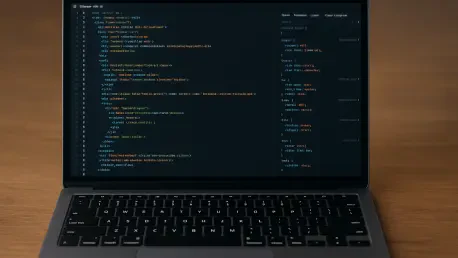
Identifying legitimate backlink opportunities requires distinguishing between browser security hints like noopener and search engine directives like nofollow and ugc. In the 2026 digital ecosystem, search engine optimization relies heavily on technical precision rather than the sheer volume of
Browsing efficiency is often compromised by a constant influx of intrusive advertisements, pop-ups, and hidden trackers that operate silently in the background of most modern web browsers. As the internet landscape of 2026 continues to prioritize heavy, data-driven content, the strain on hardware