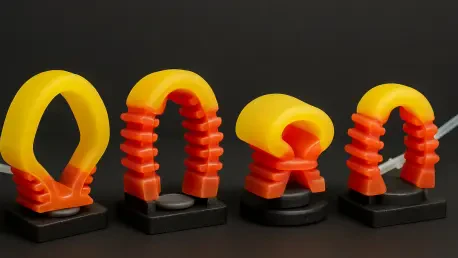
In a world where soft robotics and advanced materials are shaping the future of technology, a remarkable breakthrough has emerged from Hanyang University, led by Professor Jeong Jae (JJ) Wie, offering a solution to a persistent challenge in engineering. This challenge revolves around the delicate

What happens when a robot can lift a heavy water jug or shift a cumbersome box with the same ease as a human, learning the trick from just one example, and how does this breakthrough signal a new era for automation? This isn’t a distant dream but a reality unfolding in cutting-edge labs today. At
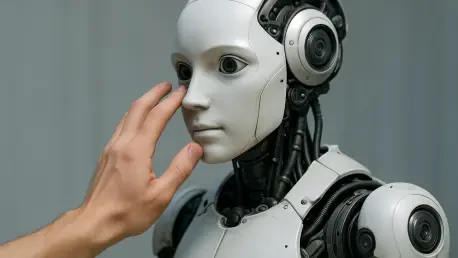
Diving into the fascinating world of robotics and artificial intelligence, I'm thrilled to sit down with Oscar Vail, a trailblazer in technology with a deep focus on cutting-edge fields like quantum computing, robotics, and open-source innovation. Today, we're exploring his insights on Physical AI,
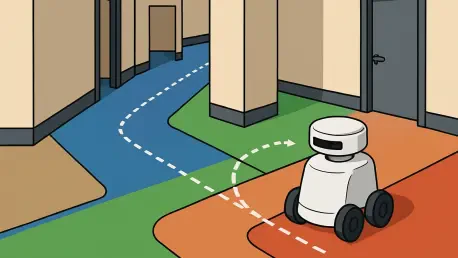
Picture a hospital ward buzzing with activity, where a robot tasked with delivering critical supplies hesitates at a corridor intersection, unsure of its next move, stranded without a map or reliable GPS signal in a maze of identical hallways and shifting obstacles. This scenario underscores a

Imagine a world where humanoid robots seamlessly assist in homes, navigate complex industrial tasks, or explore uncharted terrains in space, mirroring human dexterity with uncanny precision. This vision, while captivating, remains tantalizingly out of reach as the robotics market grapples with
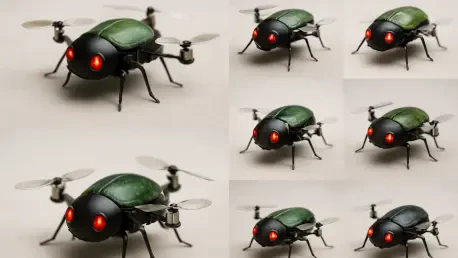
What if the future of drone technology isn’t hidden in a high-tech lab but fluttering unnoticed in a backyard? Picture a drone so small it could slip through a keyhole, inspired by insects barely larger than a speck of dust, known as microbugs, with their peculiar feather-like wings that are not