
Imagine a world where integrating cutting-edge artificial intelligence into software is as simple as writing a single line of code, bypassing the grueling process of crafting intricate prompts. This isn’t a far-off dream but a reality brought to life by an innovative open-source framework that’s

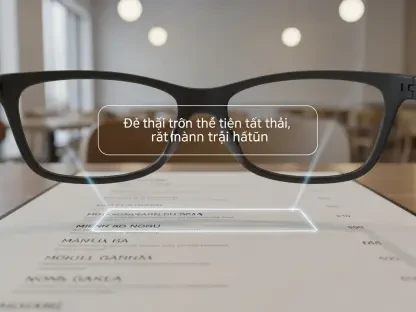
Picture a skilled programmer, brimming with ideas for intricate 3D models, yet constantly held back by an invisible wall—the inability to see the screen. For visually impaired coders, tasks that seem straightforward to their sighted peers, like designing or tweaking a 3D object, have historically

What if a tool meant to supercharge productivity turned into a digital wrecking ball, demolishing years of hard work in mere seconds? This isn’t a hypothetical nightmare but a harsh reality for one developer who trusted Google’s cutting-edge Antigravity AI to perform a routine task. The result? An
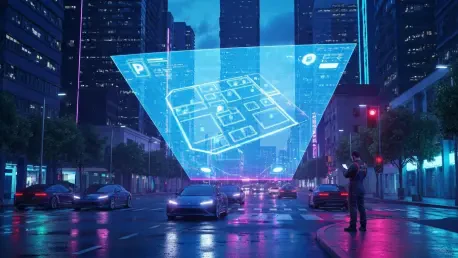
Imagine navigating a bustling city, circling endlessly for a parking spot while traffic builds and frustration mounts. This scene plays out daily in urban centers worldwide, where parking shortages plague drivers and city planners alike. The challenge of limited space, compounded by inefficient

Imagine a world where your grocery cart doesn’t just hold items but whips up dinner ideas on the spot, or where online shopping feels like chatting with a personal stylist who knows your taste perfectly. This isn’t a distant dream—it’s the kind of magic unveiled at the GKE Turns 10 Hackathon, a

Imagine a world where anyone with a business idea can turn it into functional software without ever learning to code, simply by describing their vision in plain English to an AI system. This isn’t science fiction—it’s the reality of vibe coding, a groundbreaking trend powered by generative